

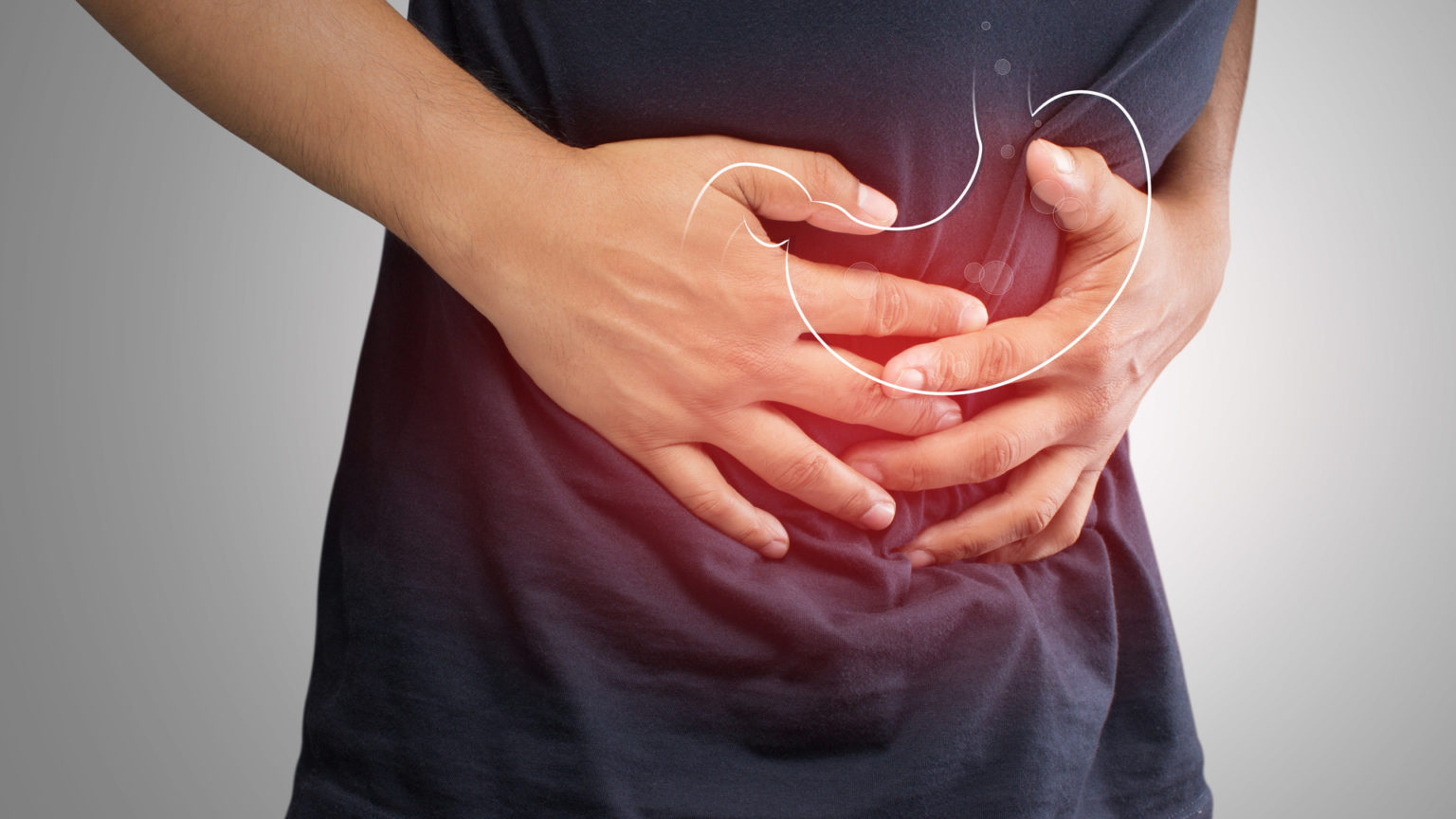
Gastric problems such as Irritable Bowel Syndrome (IBS) are becoming increasingly common due to modern lifestyle habits, irregular food intake, stress, anxiety, and poor digestion. IBS is a functional gastrointestinal disorder characterized by abdominal pain, bloating, gas, constipation, diarrhea, or alternating bowel habits. Though it may not show structural damage, it significantly affects quality of life.
Ayurveda offers a holistic approach to managing IBS by addressing not only digestion but also mental and emotional factors.
IBS According to Ayurveda
In Ayurveda, IBS closely resembles conditions like Grahani Roga. The root cause is Agni Mandya (weak digestive fire), leading to improper digestion and absorption of food.
Key contributing factors include-
- Imbalance of Vata Dosha (irregular bowel movements, pain, bloating)
- Involvement of Pitta Dosha (loose stools, burning sensation)
Association with Manasika Bhavas (stress, fear, anxiety, overthinking)
Ayurveda clearly states that mind and gut are deeply connected, making mental health a crucial aspect of treatment.
Common Symptoms-
- Abdominal pain or cramps
- Bloating and gas
- Constipation or diarrhea
- Alternating bowel habits
- Incomplete evacuation
- Fatigue and anxiety related to digestion
Ayurvedic Management of IBS
1. Nidana Parivarjana
- Avoid irregular eating habits
- Reduce intake of junk food, excessive spices, caffeine, and cold foods
- Avoid overeating and late-night meals
- Manage stress and emotional strain
2. Deepana and Pachana
Herbs and formulations used to kindle digestive fire include trikatu, jeeraka etc. These help reduce gas, bloating, and improve digestion.
3. Samana Chikitsa
Depending on symptoms:
- Vata-predominant IBS: Warm, unctuous, easily digestible foods; ghee and oil therapies
- Pitta-predominant IBS: Cooling herbs, mild foods, and stress reduction
- Kapha-predominant IBS: Light, dry, and warming diet
4. Diet
- Warm, freshly cooked meals
- Rice gruel, green gram soup
- Buttermilk with roasted cumin
- Avoid raw salads, fermented foods, and excess dairy
- Maintain fixed meal timings
5. Panchakarma Therapies
- Vasti is especially effective in IBS as it regulates Vata Dosha
- Gentle detoxification helps restore gut balance
6. Satvavajaya Chikitsa (Psychotherapy in Ayurveda)
Since IBS is strongly linked to stress and emotional imbalance, Satvavajaya Chikitsa plays a key role.
This includes:
- Counseling
- Mind control techniques
- Positive thought restructuring
- Smriti Meditation to calm the mind and regulate the gut–brain axis
7. Yoga and Lifestyle
- Regular sleep routine
- Gentle yoga asanas
- Pranayama and meditation
- Avoid suppression of natural urges
- Role of Smriti Meditation in IBS
- Reducing stress and anxiety
- Calming the nervous system
- Improving gut motility
Breaking the cycle of overthinking and digestive distress. By addressing subconscious emotional patterns, Smriti Meditation supports long-term healing of IBS.
Ayurveda treats IBS not merely as a digestive disorder but as a mind-gut imbalance. By strengthening Agni, balancing Doshas, correcting diet and lifestyle, and calming the mind through Satvavajaya Chikitsa and meditation, IBS can be effectively managed and quality of life significantly improved.
A personalized Ayurvedic approach under expert guidance offers safe, natural, and sustainable relief from gastric problems like IBS.