
Stroke is a medical emergency caused by a lack of blood supply to a part of the brain, resulting in brain cell death. The blood supply may be partially or completely cut off, depriving the brain of sufficient oxygen and nutrients, leading to the demise of affected cells and ultimately impacting brain function in that area. Prompt diagnosis and treatment are crucial to minimize brain damage.
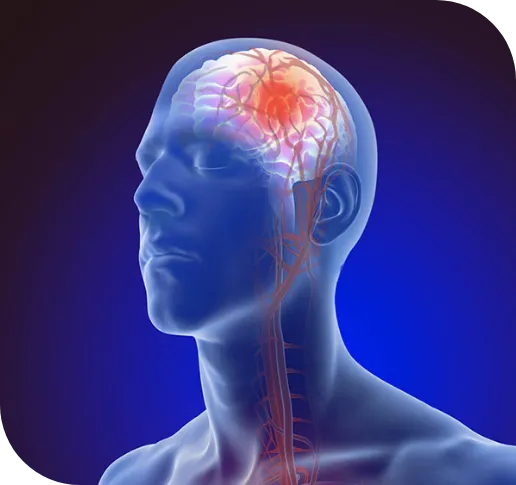
The most common type of stroke is caused by cholesterol-blocked arteries around the brain.
Atherosclerosis, a condition where fatty deposits build up in blood vessels, hinders blood flow to vital organs.
Atherosclerosis often displays no symptoms, and most people only become aware of it after experiencing a stroke or other issues like a heart attack.
High blood pressure is the primary cause of stroke.
People with diabetes are more prone to the risk of getting strokes.
Atrial fibrillation is a type of arrhythmia characterized by irregular heartbeats.
High LDL cholesterol levels
Family history.
Cardiovascular disease history.
Stroke diagnosis is performed using various techniques, including neurological examination, CT scan, MRI scan, arteriography, and Doppler ultrasound. A physical examination, assisted by imaging techniques, helps analyze the type, cause, location, and severity of the stroke.
Ayurvedic concepts categorize a stroke as ‘Pakshaghat’ and attribute it to an imbalance of Vata. Ayurveda seeks to identify the root cause of a disease rather than merely managing its symptoms or impact. Once the root cause is determined, the focus is on strengthening the affected area to restore the body’s natural balance. Ayurveda associates stroke with constraints in movement resulting from Vata imbalance, which causes the Srotas and Sanyu (tendons) to dry up in a specific part of the body, leading to impaired mobility and response in the affected area. Prolonged and intense rehabilitation therapy is necessary to counteract the condition.
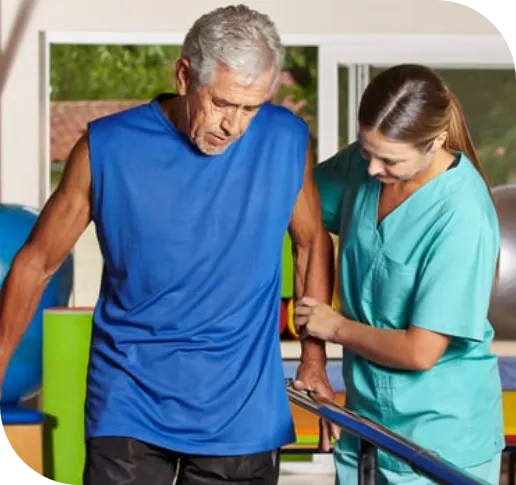
Ayurveda considers abstinence crucial in treating the disease. Initially, the patient is introduced to water, followed by gradual progression to fruit juices, milk, and a balanced diet rich in fruits, nuts, seeds, and vegetables, consumed as salads or juices. As the patient advances in their recovery, they are encouraged to move the affected limbs and joints frequently. Gentle massage is also recommended for the affected muscles.
Post stroke pain may occur due to muscle stiffness, nerve sensitivity, or limited mobility. Ayurveda manages this pain using therapies such as Abhyanga (herbal oil massage), Pizhichil (medicated oil bath), and Kizhi (herbal poultices). These therapies improve blood circulation, reduce inflammation, and relax muscles, helping the body recover naturally over time.
Ayurvedic rehabilitation focuses on restoring function by addressing both the nervous system and musculoskeletal health. Therapies include Panchakarma detox, herbal formulations to nourish the brain (Medhya Rasayanas), gentle yoga, and breathing exercises to improve coordination, speech, and overall physical strength.
Yes. Depression is common after a stroke due to changes in brain chemistry and lifestyle limitations. Ayurveda supports emotional health using calming therapies like Shirodhara (oil pouring on the forehead), nasya (herbal nasal drops), and lifestyle practices such as meditation and pranayama. Herbs like Brahmi and Ashwagandha are also used to stabilize mood and improve cognitive function.
Headaches after a stroke can be caused by vascular changes, muscle tension, or stress. Ayurvedic treatments include nasya therapy, medicated oils for scalp massage, and dietary adjustments to balance aggravated Vata and Pitta doshas. Relaxation practices and proper sleep routines also form an important part of care.
Post-stroke rehabilitation in Ayurveda combines therapies for detoxification, muscle strengthening, and mental calmness. It may include therapeutic massages, steam therapy, herbal medicines, diet modifications, and guided physical exercises. This approach works gradually to improve mobility, reduce stiffness, and enhance the quality of life.