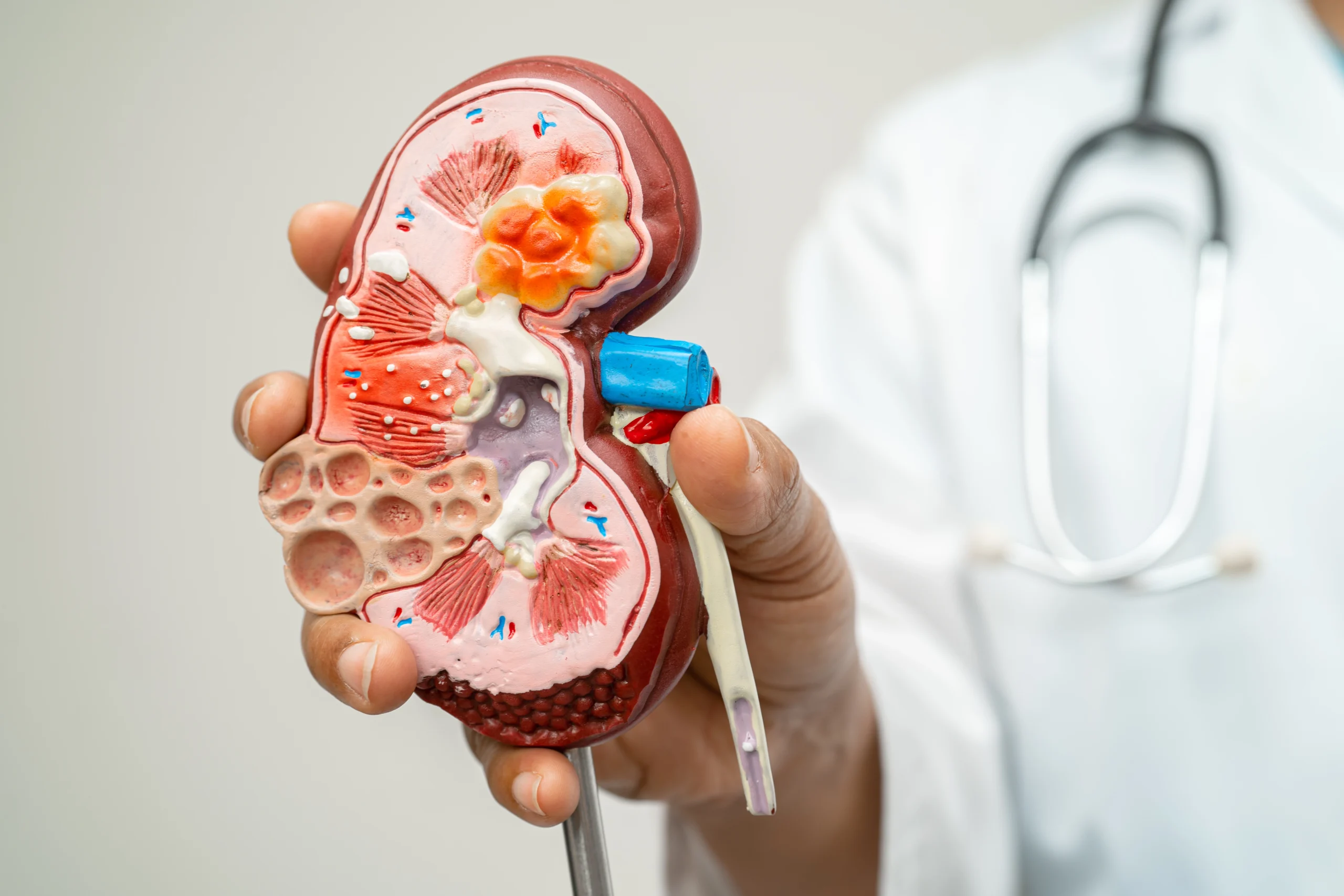


Supporting Recovery in Cancer Care: An Ayurvedic Approach to Strength and Quality of Life
Cancer care often involves a prolonged and demanding journey that affects both physical strength and emotional stability. While treatments such as chemotherapy, radiation, and surgery are essential in managing the disease, many individuals continue to experience fatigue, digestive discomfort, reduced appetite, and disturbed sleep during or after treatment.
Recovery during this phase is not only about addressing the disease itself, but also about helping the body regain strength and maintain internal stability. From an Ayurvedic perspective, this process is closely linked to how well the body is able to restore balance after significant physiological stress, especially in the context of Ayurvedic treatment for severe diseases.
Understanding Recovery After Cancer Treatment
Medical treatments used in cancer care often place stress on multiple systems within the body. While targeting abnormal cells, they may also affect healthy tissues involved in digestion, immunity, and energy production.
As a result, individuals may experience weakness, reduced nutritional absorption, and metabolic imbalance. Recovery during this stage depends not only on medical intervention but also on the body’s ability to rebuild strength gradually and maintain functional stability.
Supporting this process requires attention to digestion, nutrition, and overall metabolic balance, which are central to maintaining long-term wellbeing.
Ayurvedic Understanding of Strength and Immunity
In Ayurveda, strength and resistance to illness are closely associated with the body’s digestive capacity and tissue nourishment. When digestion remains stable, nutrients are properly absorbed and utilised for tissue repair and energy production.
However, during cancer treatment, digestion may become irregular due to stress, medication, and reduced appetite. This can gradually affect overall vitality and recovery capacity.
Ayurvedic care therefore focuses on restoring digestive balance, supporting nutrient absorption, and maintaining internal stability. Since metabolic processes play a central role in recovery, understanding the connection between digestion and organ function becomes important. This is particularly relevant when considering how systems like liver health and metabolic balance influence overall recovery.
Addressing Fatigue and Digestive Imbalance
Fatigue is one of the most common challenges faced during cancer care. It often arises from a combination of reduced nutrient intake, metabolic changes, and emotional strain.
From an Ayurvedic perspective, improving the body’s ability to process and utilise nutrients is essential for restoring energy. Maintaining regular meals, proper hydration, and stable daily routines can help reduce digestive strain and support gradual improvement in energy levels.
Since fatigue is often linked to deeper systemic imbalance rather than a single cause, it is important to approach recovery in a structured and holistic manner.
Emotional Wellbeing During Recovery
Cancer care affects not only the body but also the mind. Emotional stress, anxiety, and uncertainty can influence sleep, appetite, and overall recovery.
Emotional strain during recovery can directly affect sleep, appetite, and overall energy, making mental stability an important part of physical healing. Supporting emotional stability through consistent routines, supportive environments, and mindful practices can help reduce internal strain and improve overall wellbeing.
Maintaining this balance becomes especially important in long-term recovery, where both physical and emotional resilience are required.
Supporting Quality of Life Through Integrated Care
Recovery from cancer is often gradual and requires continuous support. Alongside medical treatment, maintaining balanced nutrition, stable routines, and emotional wellbeing can help individuals sustain strength during this phase.
Rather than focusing on isolated symptoms, Ayurveda approaches recovery by addressing the underlying factors that influence overall health, including digestion, metabolism, and mental balance.
Since cancer care is often part of broader systemic health challenges, understanding how Ayurveda approaches such conditions can provide a more complete perspective. You can explore this further in our article on how Ayurveda manages severe diseases.
Conclusion
Recovery during cancer care is not a single-stage process but a gradual rebuilding of strength, stability, and resilience. By supporting digestion, maintaining metabolic balance, and addressing emotional wellbeing, individuals can improve their ability to cope with the demands of treatment and recovery.
Ayurveda offers a structured approach that focuses on restoring internal balance while supporting the body alongside essential medical care.
👉 What is happening inside the body, and how does Ayurveda support it responsibly?
During cancer treatment, digestion weakens, metabolism becomes irregular, and tissue repair slows down. This affects energy production, immunity, and overall stability. Ayurveda supports recovery by strengthening digestion, improving nutrient utilisation, and restoring internal balance allowing the body to gradually rebuild strength without overstimulation or unrealistic expectations.