Stroke Recovery in Ayurveda | Post Stroke Care & Nervous System Balance
Stroke is a serious medical condition that affects the brain and nervous system. It
occurs when the blood supply to a part of the brain is disrupted, leading to damage
in brain cells. This interruption may affect movement, speech, coordination, memory,
or other neurological functions depending on the area of the brain involved.
Recovery after a stroke often requires time, structured rehabilitation, and supportive
care. While modern medical treatment plays a crucial role in stabilising the condition
and preventing complications, long-term recovery often focuses on improving
mobility, restoring nervous system function, and supporting overall wellbeing.Ayurveda approaches stroke recovery by examining the balance of the nervous system and the body’s ability to regain stability after neurological disturbance, particularly in the context of severe diseases and complex health conditions in Ayurveda
Understanding Stroke and Its Impact on the Nervous System
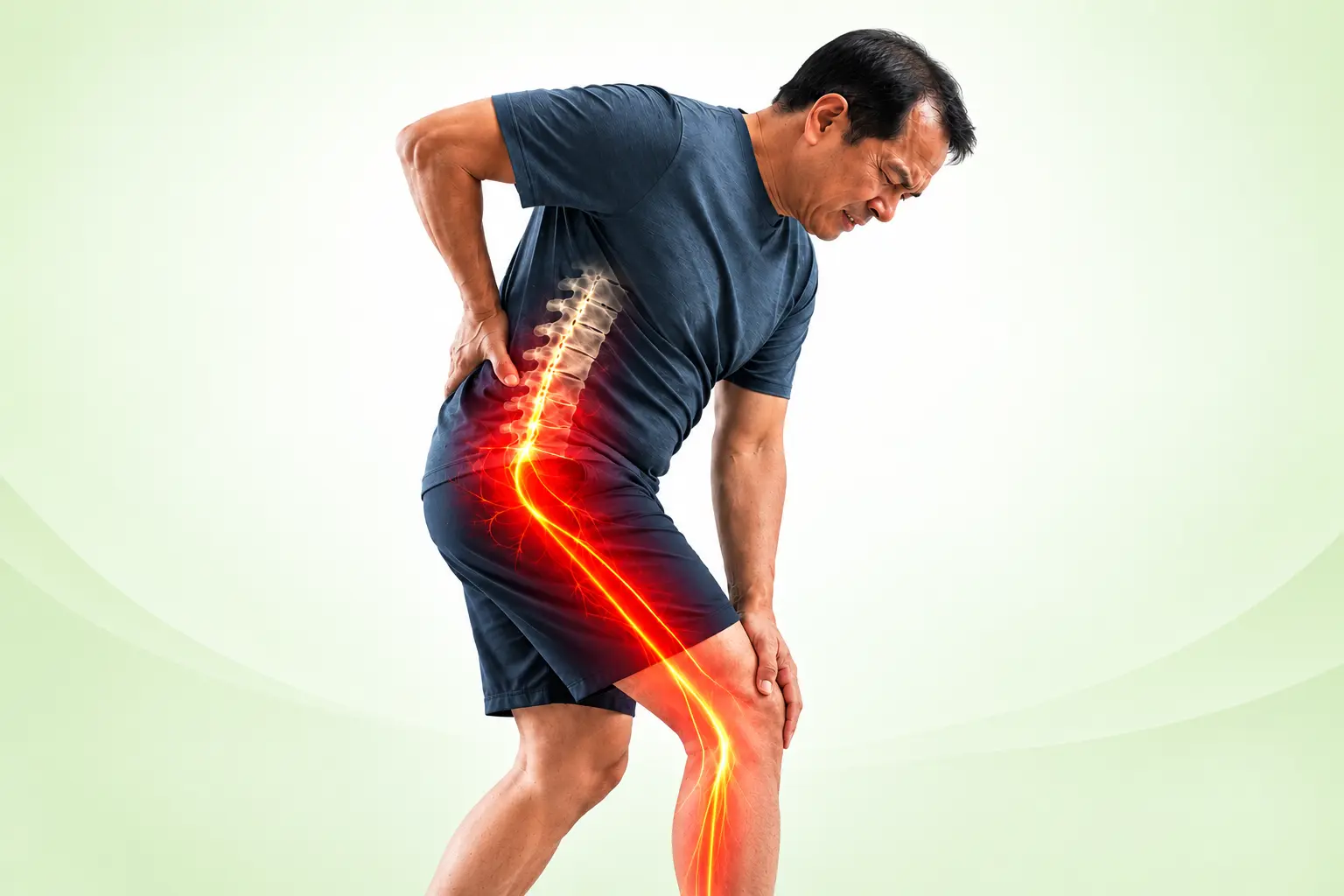
The brain and nervous system control communication between different parts of the
body. When a stroke affects the brain, these signals may become disrupted, resulting
in challenges related to movement, speech, balance, or muscle coordination.
The severity of symptoms can vary depending on the extent of brain involvement.
Some individuals may experience temporary weakness or difficulty with
coordination, while others may require long-term rehabilitation to regain functional
abilities.
Supporting nervous system recovery is therefore an important part of the post-stroke
care process.
Factors That Influence Stroke Recovery
Recovery after stroke depends on several factors, including the individual’s overall
health, the extent of neurological damage, and the effectiveness of rehabilitation.
Physical therapy, medical supervision, and lifestyle adjustments are often essential
components of the recovery process.
Daily routines, nutrition, emotional wellbeing, and metabolic health (including liver function and metabolic balance) may also influence how the body responds during recovery. Maintaining supportive habits
can help individuals gradually regain strength and improve functional capacity.
Understanding these factors can help patients and caregivers focus on long-term
stability and rehabilitation.
Ayurvedic Understanding of Neurological Balance
In Ayurveda, neurological functions are closely associated with Vata, the regulatory
force responsible for movement and nerve communication within the body. When
Vata becomes severely disturbed, it may affect coordination, mobility, and
communication between the brain and the body.
Stroke and similar neurological conditions are therefore often understood in relation
to disturbances in Vata balance. Supporting stability in the nervous system becomes
an important part of maintaining neurological health.
Ayurvedic care focuses on promoting circulation, supporting tissue nourishment, and
encouraging stability in the body’s regulatory processes.
Lifestyle and Rehabilitation Support
Recovery after stroke requires patience and consistent effort. Along with medical
rehabilitation, maintaining supportive lifestyle habits can contribute to overall
recovery.
Balanced nutrition, proper rest, structured daily routines, and stress management
can help support the body during the recovery process. Gentle physical activity and
guided rehabilitation practices may also help improve coordination and muscle
strength over time.
Ayurveda emphasises maintaining balance in daily routines and supporting the
body’s natural capacity for gradual recovery.
Supporting Long-Term Neurological Health
Stroke recovery is often a gradual journey that involves both physical and emotional
adaptation. Maintaining nervous system balance, supporting circulation, and
following structured rehabilitation practices can help individuals work toward
improved stability and wellbeing.
Ayurveda highlights the importance of holistic awareness in managing neurological
health. By supporting lifestyle balance, mental wellbeing, and physical recovery,
individuals can take meaningful steps toward improving their quality of life after
stroke.