

Ayurvedic Treatment for Lupus in Kerala
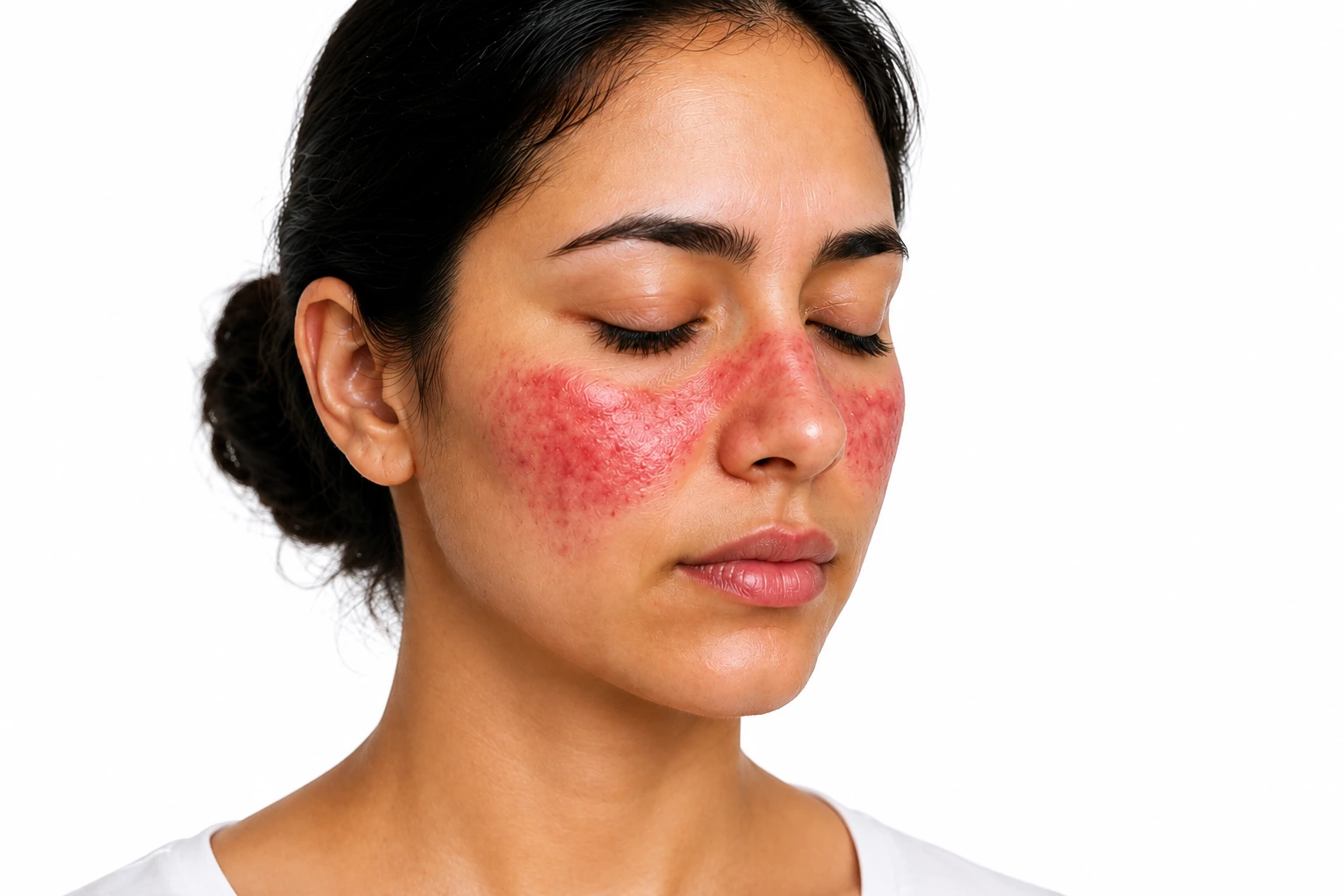
Lupus is an autoimmune disease in which the immune system mistakenly attacks healthy tissue. It can harm the skin, joints, and other parts of the body. Symptoms and severity can vary from person to person, making proper assessment important before starting treatment.
At Sreerudra Ayurveda Multispeciality Hospital and Research Centre, Ayurvedic treatment for lupus begins with a detailed physician consultation. The treatment plan is based on the patient’s symptoms, medical history, current medicines, lifestyle, digestive health and Ayurvedic constitution. Depending on the assessment, care may include physician-prescribed Ayurvedic medicines, selected therapies, diet and lifestyle guidance and regular follow-up.
Understanding Lupus and How It Affects the Body
Lupus is a chronic autoimmune disease that produces widespread inflammation in the body. The most frequent kind is systemic lupus erythematosus, also known as SLE.
Lupus may affect the skin and joints and can sometimes involve organs such as the kidneys. Because the condition can present differently in each person, treatment and monitoring need to be individualized.
Lupus Symptoms
Lupus symptoms can vary widely. Common symptoms may include joint pain or swelling, tiredness, fever, skin rashes and increased sensitivity to sunlight.
Some people have intermittent symptoms, whilst others may have chronic difficulties. Lupus cannot be diagnosed just on a combination of symptoms because comparable complaints might arise with other medical disorders.
Skin lupus symptoms may include different types of rashes or skin changes. Any persistent or unusual skin change should be evaluated rather than assumed to be caused by lupus
What Causes Lupus?
Lupus’ specific causes are not well understood. Lupus develops through an abnormal immune response, and several genetic, environmental and other factors may contribute to its development.
Certain infections, hormonal factors, sunlight exposure, stress and some medicines may be associated with lupus or symptom flare-ups in susceptible individuals. However, a specific trigger cannot always be identified.
Understanding the patient’s medical history and symptom pattern is important when planning appropriate care.
Types of Lupus and Their Different Patterns
Lupus can occur in different forms. Understanding the type can help patients and healthcare professionals recognize how the condition may affect the body.
Systemic Lupus Erythematosus
Systemic lupus erythematosus can affect multiple parts of the body. It commonly involves the skin and joints but may also affect organs such as the kidneys, heart, lungs or nervous system.
The symptoms and severity of SLE vary considerably. People diagnosed with systemic lupus erythematosus may therefore require ongoing medical monitoring.
Cutaneous and Skin Lupus
Cutaneous lupus mainly affects the skin and may cause rashes, lesions or other skin changes. Some forms can become more noticeable after exposure to sunlight.
The appearance and severity of skin symptoms can differ between individuals. Dermatological evaluation may be required to identify the specific type of skin involvement.
Discoid Lupus Erythematosus
Discoid lupus erythematosus is a form of lupus that primarily affects the skin. It can cause raised, scaly or discoloured patches that may leave changes in the skin after healing.
People with recurrent skin lesions should seek medical attention. Discoid lupus erythematosus treatment depends on the extent and severity of skin involvement.
Lupus Nephritis
Lupus nephritis develops when lupus damages the kidney. It can produce changes in urine, edema, and other indications of renal dysfunction.
Kidney involvement requires appropriate medical assessment and monitoring. Lupus nephritis treatment should be guided by the healthcare professionals managing the condition, particularly when kidney function is affected.
How Is Lupus Diagnosed?
Lupus diagnosis usually involves reviewing symptoms, medical history and physical findings along with appropriate laboratory investigations. Blood and urine tests may be used to assess inflammation, immune markers, blood counts and kidney function.
There is no single test that can diagnose all cases of lupus. Doctors consider the overall clinical picture and may recommend additional evaluation depending on the symptoms and organs involved.
Patients with previous blood tests, scan findings, medications, or specialist documents should bring them to their consultation.
Understanding Lupus Through an Ayurvedic Perspective
During an Ayurvedic consultation, the physician may assess the patient’s Prakriti or constitution, digestion, lifestyle, sleep, strength, symptoms and overall health.
Ayurveda takes an individualized approach rather than applying exactly the same treatment to every person. The physician considers the patient’s presentation before selecting appropriate medicines, therapies, dietary recommendations and lifestyle guidance.
The Ayurvedic assessment should complement, rather than replace, appropriate medical diagnosis and monitoring for lupus.
Ayurvedic Treatment for Lupus at Sreerudra Ayurveda
At Sreerudra Ayurveda, Ayurvedic treatment for lupus is planned according to the individual’s condition rather than through a fixed treatment package.
The physician considers the patient’s symptoms, medical history, current medicines, Ayurvedic constitution, lifestyle and overall health before recommending a treatment approach.
Personalized Ayurvedic Assessment
Every treatment begins with a detailed consultation. The physician reviews the patient’s symptoms and previous medical diagnosis and considers factors that may influence the individual’s treatment plan.
Patients with existing lupus investigations or specialist prescriptions should share these details during the consultation.
Physician-Prescribed Ayurvedic Medicines
Ayurvedic medicines may be recommended according to the patient’s individual assessment. The formulation, dosage and duration are decided by the treating Ayurvedic physician.
Patients taking medicines for lupus or related conditions should provide a complete medicine list. Prescribed medicines should not be stopped or changed without discussing the decision with the healthcare professional managing the condition.
Personalized Diet and Nutrition Guidance
Dietary recommendations are adapted to the patient’s health needs, symptoms and nutritional requirements. There is no single lupus diet that is suitable for every individual.
The physician may advise the patient on regular meals, appropriate food choices, hydration, and other dietary habits based on their condition.
Lifestyle Support for Lupus
Lifestyle guidance may focus on maintaining regular sleep, suitable daily activity, stress management and healthy routines.
Patients may also be encouraged to understand their individual triggers and notice changes in symptoms. These measures can support overall wellbeing but do not replace necessary medical care.
Selected Ayurvedic Therapies
Selected Ayurvedic therapies may be recommended when the physician considers them appropriate for the patient’s condition, strength and treatment needs.
Not every patient requires the same therapies. The treatment plan can be modified based on the patient’s response and changing health needs.
Follow-Up and Monitoring
Regular follow-up allows the physician to review symptoms, treatment tolerance and overall progress. The treatment regimen can be changed as needed.
For a chronic condition such as lupus, continued monitoring is important because symptoms and health requirements may change over time.
Managing Lupus Flare-Ups and Daily Symptoms
A lupus flare-up refers to a period when symptoms become more active or noticeable. Lupus flare-up symptoms can vary and may include increased fatigue, joint discomfort, skin symptoms or other changes depending on the individual’s condition.
Keeping track of symptoms and possible triggers can help patients discuss changes with their healthcare provider. Significant or sudden changes should receive appropriate medical evaluation.
Lupus Diet and Lifestyle Support
People with lupus benefit from a well-balanced diet. Dietary requirements may vary according to symptoms, medications, kidney involvement, and nutritional condition.
Rather than following restrictive diets without professional advice, patients should choose dietary changes based on their individual health requirements. Regular sleep, suitable physical activity and stress management may also support daily wellbeing.
Why Choose Sreerudra Ayurveda for Lupus Treatment?
Sreerudra Ayurveda Multispeciality Hospital and Research Centre follows a personalized, physician-supervised approach to Ayurvedic care.
Patients seeking lupus treatment in Kerala can receive an individualized assessment before a treatment plan is prepared. Depending on the patient’s needs, care may include Ayurvedic medicines, selected therapies, dietary guidance, lifestyle support and follow-up.
Book an Ayurvedic Consultation for Lupus in Kerala
If you are living with lupus and looking for an individualized Ayurvedic approach, a physician consultation can help assess your symptoms, medical history and current treatment.
Bring previous investigation reports, prescriptions and specialist records when available. At Sreerudra Ayurveda, the physician can determine whether an Ayurvedic treatment approach is appropriate for your individual condition.
Frequently Asked Questions
What Are the Common Symptoms of Lupus?
Common symptoms may include joint pain, fatigue, fever, skin rashes and sensitivity to sunlight. Symptoms vary between individuals and should be evaluated by a qualified healthcare professional.
What Causes Lupus?
The exact cause is not fully understood. Lupus is connected with an aberrant immune response, which may be influenced by genetics, the environment, and other factors.
Can Ayurveda Help With Lupus?
Ayurvedic care may be considered as an individualized approach based on the patient’s condition. It should be coordinated with appropriate medical diagnosis, monitoring and treatment.
What Is Lupus Nephritis?
Lupus nephritis is kidney involvement associated with systemic lupus erythematosus. It requires appropriate medical evaluation and monitoring because kidney function can be affected.
Is There a Specific Lupus Diet?
There is no universal diet suitable for every person with lupus. Dietary recommendations should consider the individual’s symptoms, nutritional needs, medicines and overall health.
What Can Trigger a Lupus Flare-Up?
Possible triggers may include sunlight exposure, infections, stress and other individual factors. Triggers vary, so keeping track of symptoms can help identify personal patterns.
How Long Does Ayurvedic Treatment for Lupus Take?
There is no fixed treatment duration. It depends on the individual’s symptoms, health status, treatment plan and response to care. Regular follow-up helps the physician review and adjust the approach when needed.