
Ayurvedic Pilonidal Sinus Treatment in Kerala
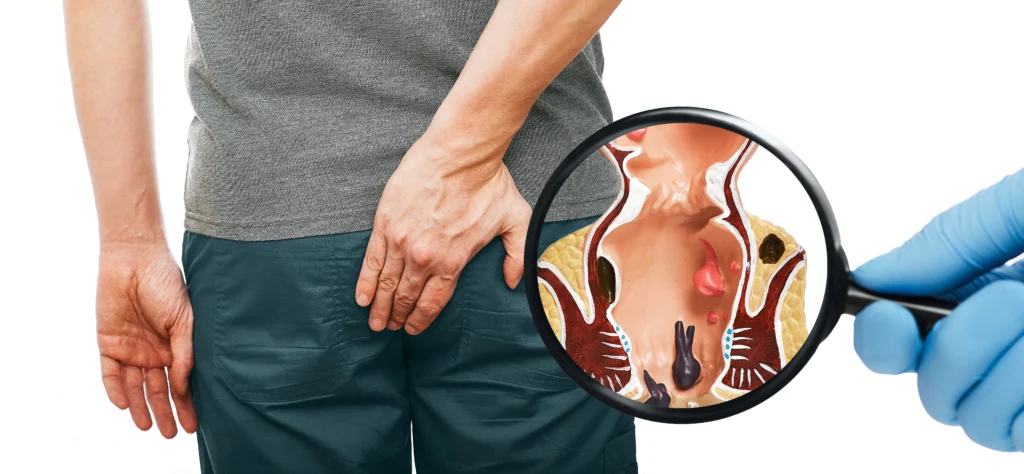
A pilonidal sinus is a small tunnel or opening that develops beneath the skin near the tailbone, usually within the cleft between the buttocks. When the area becomes infected, it may cause pain, swelling, redness, pus discharge, bleeding and discomfort while sitting or walking.
At Sreerudra Ayurveda, we provide personalized pilonidal sinus treatment in Kerala based on the condition of the sinus tract, presence of infection, recurrence history, body constitution and overall health. Depending on the clinical findings, treatment may include Ayurvedic medicines, wound-care support, dietary and lifestyle guidance or Kshar Sutra treatment when appropriate.
What Is a Pilonidal Sinus?
A pilonidal sinus develops when loose hair, dead skin cells and debris become trapped beneath the skin near the coccyx or tailbone. Repeated pressure, friction and movement may push the hair deeper into the skin, leading to inflammation, infection and sinus tract formation.
The condition may appear as a small painless pit, a painful abscess or a chronic wound that repeatedly discharges pus or blood.
Common Symptoms of Pilonidal Sinus
The symptoms of a pilonidal sinus may vary according to the stage and severity of the condition.
Early Symptoms
Early symptoms may include a small opening near the tailbone, mild tenderness, slight swelling, local redness and discomfort while sitting.
Symptoms of an Infected Pilonidal Sinus
An infected pilonidal sinus may cause severe pain, increasing swelling, warmth, pus discharge, blood-stained drainage, foul smell, difficulty sitting, pain while walking and recurrent abscess formation.
Fever, spreading redness or rapidly increasing pain may indicate an acute infection that requires prompt medical attention.
Causes and Risk Factors
A pilonidal sinus commonly develops when loose hair enters the skin due to repeated pressure or friction. Several things may raise the risk of developing the illness.
Common risk factors include prolonged sitting, thick or coarse body hair, excessive sweating, obesity, tight clothing, repeated skin irritation, a deep buttock cleft and a family history of pilonidal disease.
The condition is commonly seen among office workers, drivers, students and individuals whose occupations require long periods of sitting.
How Is Pilonidal Sinus Diagnosed?
Pilonidal sinus is generally diagnosed through a physical examination of the affected area. The physician evaluates the number and location of sinus openings, swelling, tenderness, discharge, infection and previous episodes of recurrence.
The patient’s medical history, previous treatments, general health and wound-healing capacity may also be assessed. In complicated or recurrent cases, ultrasound or MRI may be advised to understand the extent of the sinus tract.
Pilonidal Sinus in Ayurveda
In Ayurveda, a chronic sinus tract may be understood in relation to Nadi Vrana, which refers to a narrow and difficult-to-heal wound channel.
Ayurvedic assessment considers the condition of the wound along with the patient’s Prakriti, Dosha imbalance, digestive strength, tissue health, diet and lifestyle.
Vata may be associated with pain and tract formation, Pitta with redness, heat, inflammation and pus, and Kapha with swelling, heaviness and persistent discharge. These Ayurvedic principles support personalized treatment but do not replace proper clinical examination.
Ayurvedic Treatment for Pilonidal Sinus
Pilonidal sinus Ayurvedic treatment is planned according to the stage, severity and complexity of the condition. The treatment approach may include internal Ayurvedic medicines, external wound care, dietary recommendations, lifestyle correction and regular follow-up.
The primary aim is to support wound healing, promote tissue recovery, manage discomfort and reduce factors that may contribute to recurrence.
Specific medicines and therapies are recommended only after consultation because an early sinus, an infected abscess and a chronic recurrent tract may require different treatment approaches.
Kshar Sutra Treatment for Pilonidal Sinus
Kshar Sutra is an Ayurvedic para-surgical procedure that may be recommended for selected chronic or recurrent pilonidal sinus cases.
During the procedure, a specially prepared medicated thread is passed through the sinus tract under medical supervision. The thread is periodically replaced to support gradual cleansing, controlled removal of unhealthy tissue and healing of the tract.
The suitability of Kshar Sutra treatment depends on the size, direction and complexity of the sinus tract, the presence of infection, previous treatments and the patient’s general health.
Who May Be Suitable for Kshar Sutra?
Kshar Sutra may be considered for patients with a clearly defined chronic sinus tract, recurrent discharge, repeated symptoms or disease that has not improved through conservative care.
It may not be suitable for patients with a large untreated abscess, uncontrolled infection, extensive branching tracts or uncertain sinus anatomy.
Pilonidal Sinus Treatment Without Surgery
Some early or uncomplicated pilonidal sinus cases may be managed without major surgery. Conservative treatment may include hygiene, wound care, Ayurvedic medicines, hair-management guidance, reduced friction and lifestyle changes.
However, a painful pus-filled abscess may require drainage. Chronic or complex sinus tracts may require Kshar Sutra or another surgical procedure.
Patients should avoid attempting to drain the sinus at home or using unverified remedies on an infected wound.
Diet Recommendations
A balanced diet may support tissue healing, digestion and general recovery during pilonidal sinus treatment.
Patients may be advised to consume adequate protein, fresh vegetables, fruits, whole grains, fibre-rich foods and sufficient water. Fibre and hydration can support healthy bowel movements and reduce strain.
Highly processed foods, excessive sugar and restrictive diets that reduce essential nutrients should be avoided. Patients with diabetes should also maintain proper blood-sugar control because uncontrolled diabetes may delay wound healing.
Lifestyle and Wound-Care Recommendations
The affected area has to be kept clean and dry. Patients should follow the wound-cleaning and dressing instructions provided by their physician.
Prolonged sitting should be reduced by taking regular movement breaks. Loose and breathable clothing may help reduce friction, moisture and sweating around the affected area.
Hair removal should be performed only according to medical advice, particularly when the skin is inflamed or the wound is open. Patients should not squeeze, scratch or attempt to probe the sinus tract.
Recovery and Recurrence Prevention
Recovery depends on the size and complexity of the sinus tract, the presence of infection, the selected treatment and the patient’s individual healing response.
Patients undergoing Kshar Sutra treatment may require periodic thread replacement, wound dressing and clinical follow-up. Patients receiving conservative or surgical treatment may also require regular wound care.
To help reduce recurrence, patients should maintain hygiene, keep the area dry, avoid prolonged sitting, manage body weight, follow hair-management guidance and complete all recommended follow-up visits.
When Should You Consult a Doctor?
Consult a qualified physician if you experience persistent pain near the tailbone, swelling, pus or blood discharge, foul-smelling drainage, repeated abscesses, difficulty sitting or a wound that does not heal.
Urgent medical care is recommended when there is severe pain, fever, rapidly increasing swelling, spreading redness or a large pus-filled lump. These symptoms may indicate an acute abscess requiring prompt treatment.
Why Choose Sreerudra Ayurveda?
Sreerudra Ayurveda provides personalized pilonidal sinus treatment based on the patient’s symptoms, wound condition, Prakriti, recurrence history and overall health.
Our treatment approach may include detailed clinical evaluation, individualized Ayurvedic medicines, physician-supervised wound care, Kshar Sutra assessment, dietary guidance, lifestyle counselling and regular follow-up support.
When drainage, imaging, or traditional surgery are clinically required, adequate counsel or referral is advised to ensure patient safety.
Frequently Asked Questions
Can Ayurveda Help Manage a Pilonidal Sinus?
Ayurvedic treatment may support wound care, tissue healing, digestion and recovery. The appropriate treatment depends on the severity and complexity of the sinus tract.
Is Kshar Sutra a Non-Surgical Treatment?
Kshar Sutra is an Ayurvedic para-surgical procedure rather than a medicine-only treatment. It involves placing a medicated thread through the sinus tract under clinical supervision.
Can Pilonidal Sinus Heal Without Surgery?
Some early and simple instances can be treated conservatively. A painful abscess or chronic sinus tract may require drainage, Kshar Sutra or another procedure.
How Long Does Pilonidal Sinus Treatment Take?
Treatment length is determined on the size of the sinus tract, infection, recurrence history, chosen treatment, and individual healing response.
Can Pilonidal Sinus Return After Treatment?
Yes, recurrence is possible after conservative treatment, Kshar Sutra or surgery. Proper hygiene, wound care, reduced prolonged sitting and regular follow-up may help reduce the risk.
Is Pilonidal Sinus the Same as an Anal Fistula?
No. A pilonidal sinus generally develops near the tailbone, while an anal fistula connects with the anal canal. A clinical examination helps differentiate the two conditions.
When Is Immediate Medical Treatment Required?
Immediate assessment is recommended when there is severe pain, fever, rapidly increasing swelling, pus formation or spreading redness.
Book a Consultation for Pilonidal Sinus Treatment in Kerala
If you are experiencing pain, swelling, pus discharge or a recurring wound near the tailbone, consult Sreerudra Ayurveda for a detailed evaluation and personalized treatment recommendation.