
Panchakarma Ayurveda Hospital
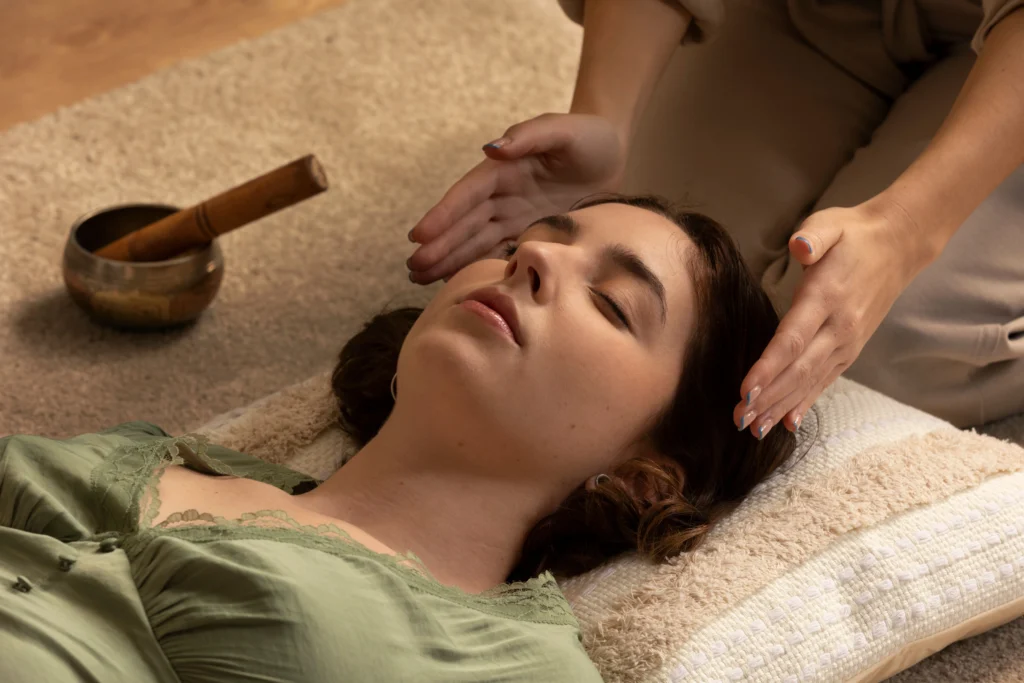
A Panchakarma Ayurveda hospital provides a structured environment for detox therapies aimed at improving internal balance and overall wellbeing.. Unlike general therapy centers, hospitals follow a structured approach with proper consultation, diagnosis, and supervised treatment, ensuring that each stage of care is aligned with the patient’s condition.
Panchakarma is a core component of Ayurveda, focusing on eliminating accumulated toxins and improving the body’s natural functions through carefully planned procedures.
What Makes Panchakarma Treatment Unique
Panchakarma stands out due to its structured and phased approach to detoxification rather than a single therapy. The treatment follows a phased approach, progressing from preparatory steps to cleansing procedures and recovery support for balanced results.
Key aspects include:
- Individualized treatment planning
- Use of traditional Ayurvedic procedures
- Integration of therapies such as Panchakarma Treatment
- Focus on long-term balance and recovery
This approach enables care to be adapted to each individual’s condition rather than using a one-size-fits-all method.
Key aspects include:
- Individualized treatment planning
- Use of traditional Ayurvedic procedures
- Integration of therapies such as Panchakarma Treatment
- Focus on long-term balance and recovery
This method allows treatment to be customized based on individual needs instead of following a uniform approach.
Understanding the Panchakarma Approach
Panchakarma is based on balancing the body’s internal functions by addressing the root cause of imbalance. Instead of focusing only on symptoms, it works through cleansing and restoring the body’s natural systems.
The approach includes:
- Identifying underlying imbalance
- Supporting detoxification through therapies
- Improving digestion and metabolism
- Restoring overall body balance
As a result, Panchakarma can be used for both managing existing conditions and supporting preventive health.
The approach includes:
- Identifying underlying imbalance
- Supporting detoxification through therapies
- Improving digestion and metabolism
- Restoring overall body balance
This makes Panchakarma suitable for both treatment and preventive care.
Panchakarma Treatment Process
Panchakarma is performed through a phased sequence that supports gradual cleansing and recovery of the body. The process begins with consultation and preparation therapies, followed by the main detox phase and post-treatment care.
The key stages include:
- Consultation and assessment
- Preparation therapies (Purvakarma)
- Core detox procedures such as Panchakarma Treatment
- Post-treatment diet and lifestyle guidance
This step-by-step approach helps align the treatment plan with the patient’s specific health condition.
The key stages include:
- Consultation and assessment
- Preparation therapies (Purvakarma)
- Core detox procedures such as Panchakarma Treatment
- Post-treatment diet and lifestyle guidance
This structured flow ensures that the treatment is aligned with individual health conditions.
Conditions Managed with Panchakarma
Panchakarma therapy is commonly recommended for chronic and lifestyle-related conditions, focusing on correcting internal imbalance rather than temporary relief.
Patients may consider Panchakarma for:
- Joint and mobility concerns ( Arthritis Treatment )
- Digestive disorders ( Digestive Disorder Treatment )
- Stress-related conditions ( Stress Management Therapy )
- Skin and metabolic issues
The outcomes of Panchakarma are influenced by how accurately the treatment follows traditional practices and organized protocols. Hospitals that prioritize authenticity focus on delivering therapies with proper supervision and consistency.
This includes:
- Use of classical Ayurvedic procedures
- Guidance from experienced practitioners
- Structured therapy execution
- Continuous patient monitoring
This approach helps ensure that Panchakarma Treatment is delivered in a well-managed and consistent clinical setting.
Benefits and Suitability of Panchakarma
Panchakarma supports the body’s natural ability to restore balance through detoxification and structured care. It is often chosen by individuals seeking both therapeutic and preventive benefits.
Key benefits include:
- Improved digestion and metabolism
- Better energy levels and vitality
- Support for long-term health management
- Enhanced overall balance and wellbeing
It is suitable for individuals dealing with chronic conditions, lifestyle imbalances, or those seeking preventive healthcare through natural methods.
Accessible Panchakarma Ayurveda Hospital
Panchakarma Ayurveda hospitals are accessible across regions such as Kochi, Trivandrum, and Ernakulam, allowing patients to receive structured care and regular follow-up.
Easy accessibility supports:
- Consistent treatment sessions
- Better patient monitoring
- Improved treatment outcomes
Patients searching for a Panchakarma Ayurveda hospital near me often prefer locations that offer both accessibility and structured care.
Easy accessibility supports:
- Consistent treatment sessions
- Better patient monitoring
- Improved treatment outcomes
Patients searching for a Panchakarma Ayurveda hospital near me often prefer locations that offer both accessibility and structured care.
Find Our Panchakarma Ayurveda Hospital
Patients can explore directions, nearby access routes, and real patient feedback through our Google profile.
Consult a Panchakarma Ayurveda Hospital
Choosing a Panchakarma Ayurveda hospital allows patients to undergo detox therapies in a structured and supervised environment, ensuring safety and consistency in treatment.
For individuals considering Panchakarma Treatment, consulting experienced practitioners helps determine the most suitable approach based on individual health conditions.
Book your consultation today to begin a personalized Panchakarma treatment journey.
Frequently Asked Questions
What is Panchakarma treatment?
Panchakarma is a detoxification process in Ayurveda that helps remove toxins and restore balance in the body.
Is Panchakarma safe?
It is generally safe when performed under qualified Ayurvedic supervision.
How long does Panchakarma treatment take?
Treatment duration is determined based on the individual’s health condition, severity, and the type of therapy prescribed.
Do I need consultation before Panchakarma?
Yes, consultation is necessary to determine the appropriate treatment plan.