
Ayurvedic Treatment for Vitiligo in Kerala
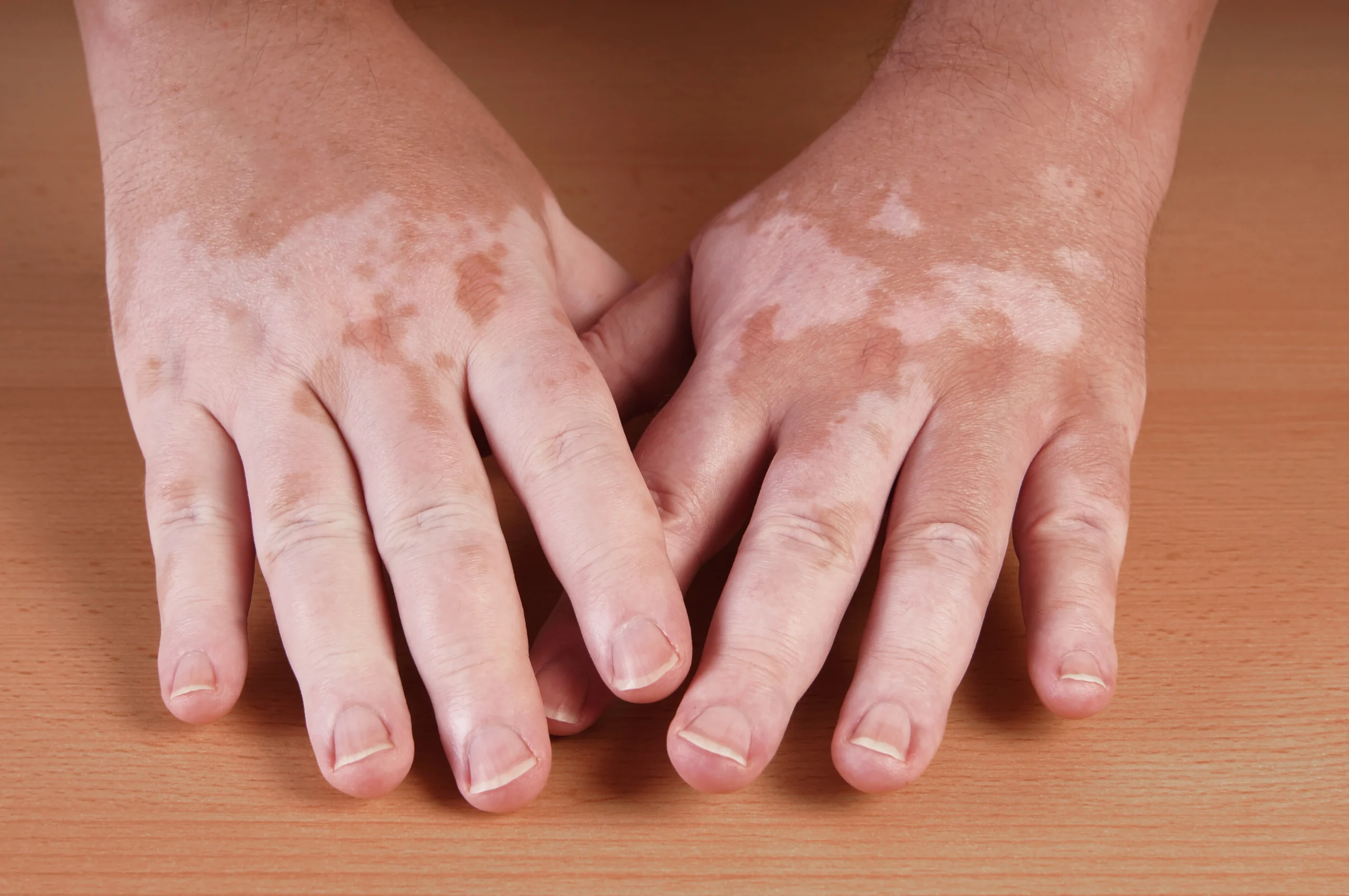
Vitiligo is a skin condition that causes white or lighter patches to develop when the skin loses pigment-producing cells. These patches may appear on the face, hands, feet, lips, or other areas of the body and can gradually become more noticeable. The condition can affect people of different ages and skin types. Some people may develop only a few patches, while others may experience wider areas of depigmentation. For individuals looking for ayurvedic treatment for vitiligo, understanding the condition, its progression, and appropriate treatment options is an important first step.
At Sreerudra Ayurveda Multispecialty Hospital and Research Centre, we provide an individualized Ayurvedic approach for people seeking care for vitiligo and leukoderma. Treatment planning considers the person’s symptoms, medical history, skin condition, body constitution (Prakriti), digestive health, lifestyle, and overall wellbeing. Depending on the clinical assessment, the treatment plan may include Ayurvedic medicines, selected therapies, dietary guidance, and lifestyle recommendations under the supervision of experienced Ayurvedic physicians.
What Is Vitiligo?
Vitiligo is a chronic skin condition in which areas of the skin lose their normal pigmentation. This happens when melanocytes, the cells responsible for producing melanin, are damaged or destroyed. As a result, clearly visible white or lighter patches can develop on different parts of the body.
The appearance and progression of vitiligo can vary considerably between individuals. Some people may have a small number of stable patches, while others may notice new areas developing over time. Vitiligo itself is not contagious and cannot spread from one person to another through physical contact.
Leukoderma is a term commonly used to describe areas of white or depigmented skin. Although the terms may sometimes be used interchangeably in general conversation, white patches can have different causes. Therefore, proper clinical evaluation is important before beginning ayurvedic treatment for vitiligo.
Vitiligo Causes
The exact cause of vitiligo is not completely understood. It is usually related to an autoimmune condition in which the body’s immune system mistakenly attacks melanocytes. Genetic factors may also contribute, as vitiligo can occur more frequently in some families.
Certain factors may be associated with the onset or worsening of vitiligo. These can include physical or emotional stress, skin injury, sunburn, certain autoimmune conditions, and other individual triggers. However, having one of these factors does not necessarily mean that a person will develop vitiligo.
Understanding possible vitiligo causes can help physicians assess the individual’s condition more thoroughly. At Sreerudra Ayurveda, the consultation also considers lifestyle, digestion, constitution, and other health factors when developing a personalized treatment approach.
Vitiligo Symptoms
The most recognizable vitiligo symptoms are white or lighter patches on the skin. These patches may initially appear as pale areas and gradually become more clearly depigmented. They can occur on the hands, face, around the mouth and eyes, elbows, knees, feet, or other areas.
The patches may be symmetrical in some individuals, while others may have isolated areas of depigmentation. Hair growing within an affected area can sometimes also lose its colour. In some cases, vitiligo may remain stable for long periods, while in others new patches may appear.
Starting Symptoms of Vitiligo
The starting symptoms of vitiligo may be subtle. A person may first notice a small, lighter patch that gradually becomes more visible. Early assessment can help determine whether the change is related to vitiligo or another skin condition.
White Patches on Skin
Not every white patch on skin is caused by vitiligo. Fungal infections, post-inflammatory changes, and several other skin conditions can also produce changes in pigmentation. A professional examination is therefore important before selecting treatment.
Types of Vitiligo
Vitiligo can present in different patterns depending on the distribution and extent of depigmented patches. Non-segmental vitiligo is the more common pattern and may affect both sides of the body. Segmental vitiligo generally develops on one side or one particular area and may progress differently.
Some people experience localized patches, while others develop more widespread depigmentation. The pattern, duration, location, and progression of the condition are considered during clinical assessment.
Understanding the type of vitiligo can help healthcare professionals determine an appropriate management strategy. Treatment should therefore be personalized rather than based only on the visible appearance of the patches.
What Causes Vitiligo to Spread?
The progression of vitiligo varies from person to person, and it is not always possible to predict when new patches will appear. Factors such as immune activity, skin injury, severe sunburn, and individual susceptibility may be associated with changes in the condition.
If you notice that existing white patches are becoming larger or that new patches are developing, it is advisable to seek professional evaluation. Regular monitoring can help physicians understand how the condition is changing and adjust the treatment approach when required.
Diagnosis of Vitiligo
Diagnosis generally begins with a detailed examination of the skin and a discussion about the person’s medical history. The physician may ask when the patches first appeared, whether they have changed in size or number, whether other family members have vitiligo, and whether the individual has other health conditions.
In some cases, additional examination or investigations may be recommended to distinguish vitiligo from other causes of depigmentation. A proper diagnosis is especially important when white patches have appeared recently or are changing rapidly.
At Sreerudra Ayurveda, the Ayurvedic consultation additionally considers Prakriti, Dosha balance, digestive health, lifestyle, and other individual factors. This broader assessment helps physicians develop a personalized plan suited to the patient’s needs.
Ayurvedic Treatment for Vitiligo
Ayurvedic treatment for vitiligo at Sreerudra Ayurveda follows an individualized approach rather than a single treatment protocol for every patient. The treatment plan is developed after assessing the patient’s skin condition, medical history, constitution, lifestyle, digestive health, and other relevant factors. As part of its broader approach to Ayurvedic treatment for skin diseases, the focus is on understanding the individual’s needs and overall health.
Depending on the clinical assessment, Ayurvedic management may involve carefully selected medicines, therapeutic procedures when appropriate, dietary recommendations, and lifestyle modifications. The aim is to support overall health and skin wellbeing while addressing the individual’s specific needs.
Patients should understand that vitiligo is a chronic condition and that treatment response can differ significantly between individuals. Ayurveda should be practiced under the supervision of qualified physicians, particularly when medicines or therapeutic procedures are involved.
Ayurvedic Medicines
Ayurvedic physicians may recommend suitable herbal or classical Ayurvedic formulations according to the patient’s individual assessment. The choice of medicine, dosage, duration, and combination should be determined by a qualified physician rather than through self-medication.
Ayurvedic Therapies
Selected Ayurvedic therapies may be considered when clinically appropriate. The suitability of any procedure depends on the patient’s health, skin condition, treatment history, and individual requirements. Therapies are therefore planned after a detailed consultation.
Diet and Nutrition
Dietary guidance may form part of an individualized treatment plan. Patients may receive recommendations focused on maintaining balanced nutrition and supporting digestive health. Dietary advice should be personalized rather than based on broad claims about particular foods causing or curing vitiligo.
Lifestyle Support
Healthy lifestyle habits can complement the overall management plan. Adequate sleep, stress management, regular physical activity, appropriate skin care, and protection from excessive sun exposure may support general wellbeing and skin health.
Why Choose Sreerudra Ayurveda?
Sreerudra Ayurveda Multispecialty Hospital and Research Centre provides personalized Ayurvedic healthcare through experienced Ayurvedic physicians and a patient-focused approach. Each consultation begins with an assessment of the individual’s symptoms, medical history, lifestyle, constitution, and overall health before treatment is planned.
For people seeking vitiligo treatment in Ayurveda Kerala, Sreerudra Ayurveda offers Ayurvedic medicines, selected therapies, dietary guidance, and lifestyle support according to individual requirements. Our approach combines traditional Ayurvedic principles with careful clinical assessment and ongoing supervision.
With healthcare facilities in Alappuzha and Trivandrum, our team focuses on providing compassionate care while helping patients understand their condition and available treatment options.
Book a Consultation for Vitiligo Treatment
Living with vitiligo can affect more than the appearance of the skin. If you have noticed new white patches or are looking for a personalized approach to managing an existing condition, professional guidance can help you understand your options.
At Sreerudra Ayurveda Multispecialty Hospital and Research Centre, our experienced Ayurvedic physicians provide individualized care for people seeking ayurvedic treatment for vitiligo in Kerala. Consult our team in Alappuzha or Trivandrum to discuss your condition and receive a treatment plan based on your individual health needs.
Frequently Asked Questions
What is vitiligo?
Vitiligo is a chronic skin condition that causes areas of the skin to lose pigmentation. It occurs when melanocytes, the cells responsible for producing melanin, are damaged or destroyed.
Is leukoderma the same as vitiligo?
Leukoderma is commonly used to describe white or depigmented skin. Vitiligo is one condition that can cause such patches, but other skin conditions can also produce depigmentation. Proper diagnosis is therefore important.
What are the starting symptoms of vitiligo?
The initial sign is often a small pale or white patch on the skin. It may remain localized or gradually become more noticeable. New or changing patches should be evaluated by a healthcare professional.
Can Ayurveda treat vitiligo?
Ayurveda offers an individualized approach to managing vitiligo. Treatment may include medicines, selected therapies, dietary guidance, and lifestyle recommendations depending on the person’s condition. Treatment response varies between individuals.
Can vitiligo patches spread?
Vitiligo can remain stable in some people and progress in others. The development of new patches can be unpredictable, so regular medical assessment may be useful when changes occur.
What causes vitiligo to spread?
The progression of vitiligo can vary and may be associated with immune activity, individual susceptibility, skin injury, or other factors. A specific cause of progression cannot always be identified.
Can white patches on skin be treated with Ayurveda?
Some white patches may be associated with conditions other than vitiligo. After identifying the underlying condition, an Ayurvedic physician can determine whether Ayurvedic management is appropriate.
Is Ayurvedic treatment suitable for everyone with vitiligo?
Treatment suitability depends on the individual’s health, skin condition, medical history, and other factors. A qualified Ayurvedic physician should assess the patient before recommending medicines or therapies.