

Ayurvedic Treatment for Trigeminal Neuralgia in Kerala
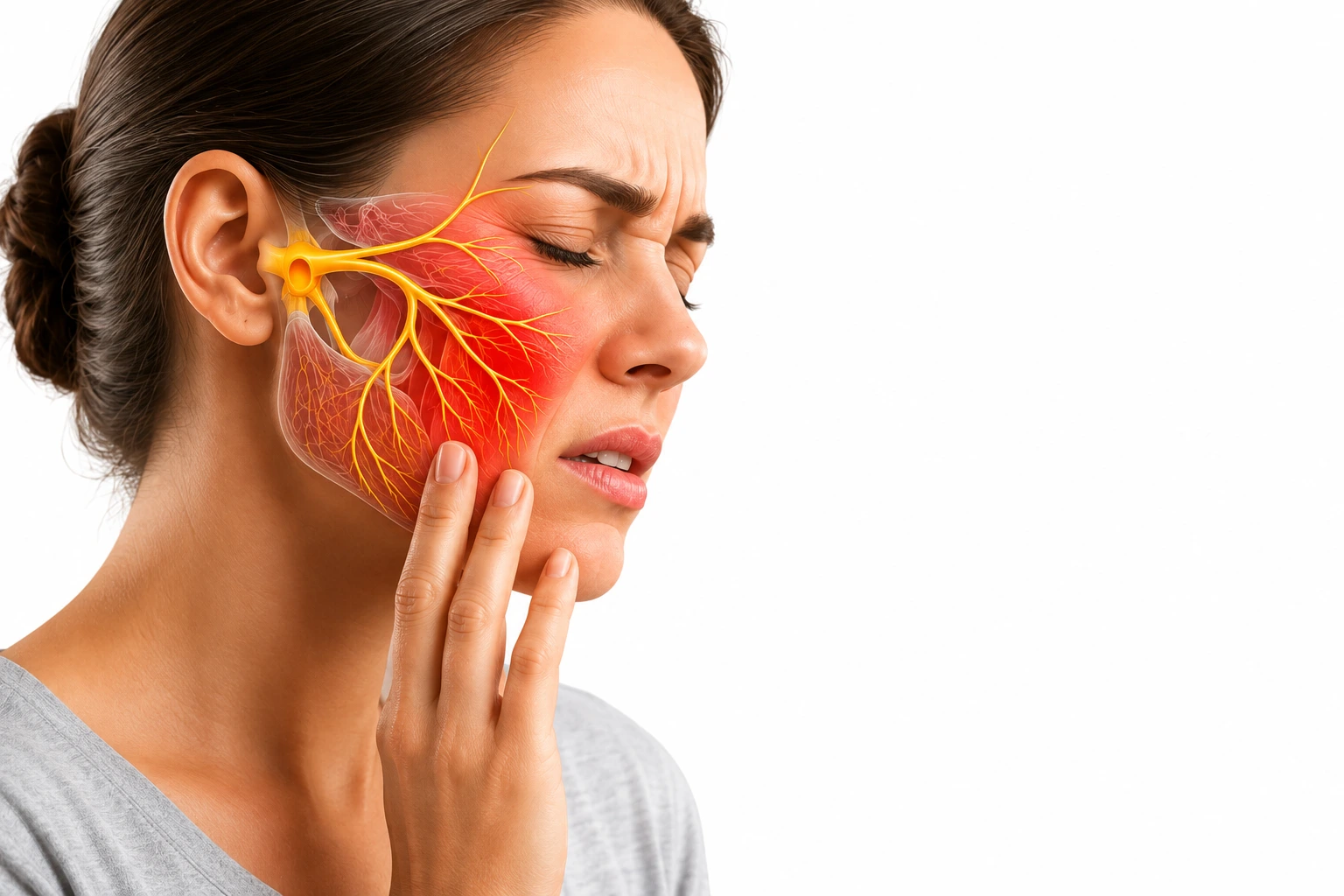
Trigeminal neuralgia is a neurological disorder that causes abrupt, acute facial discomfort. The pain may feel sharp, stabbing or like an electric shock and often affects one side of the face. Eating, speaking, brushing the teeth or touching the face may trigger an attack. Because several conditions can cause facial pain, proper assessment is important before choosing treatment.
At Sreerudra Ayurveda Multispecialty Hospital and Research Center, Ayurvedic treatment for trigeminal neuralgia begins with a physician-led assessment. The doctor examines the pain pattern, medical history, current medications, past investigations, lifestyle, and Ayurvedic constitution. Depending on the assessment, care may include physician-prescribed Ayurvedic medicines, selected therapies, diet and lifestyle guidance and follow-up.
What Is Trigeminal Neuralgia?
Trigeminal neuralgia affects the trigeminal nerve, which sends sensations from the face to the brain. This nerve can be irritated or compressed repeatedly, resulting in severe facial pain.The pain may occur around the cheek, jaw, teeth, lips or other areas supplied by the nerve.
Trigeminal neuralgia facial pain is often brief but intense. Dental problems, sinus conditions and other nerve disorders can cause similar symptoms, so recurring facial pain should not be self-diagnosed.
What Does Trigeminal Neuralgia Pain Feel Like?
Trigeminal neuralgia pain is usually sudden and intense. Many people describe it as stabbing, burning or electric-shock-like. An attack may last for seconds or longer and may happen several times a day.
Touching the face, washing, shaving, brushing the teeth, eating, chewing, drinking or speaking may trigger an episode.
Common Trigeminal Neuralgia Symptoms
Trigeminal neuralgia symptoms can vary in frequency and intensity. Sudden facial pain is the main feature and may affect the cheek, jaw, lips, teeth, nose or nearby areas.
Other trigeminal neuralgia signs and symptoms may include repeated one-sided pain, sensitivity to light touch and discomfort while eating or speaking. Pain around the eye can arise based on the afflicted nerve branch, however eye-related pain should be investigated because other disorders can present with similar symptoms.
What Causes Trigeminal Neuralgia?
Trigeminal neuralgia causes vary between individuals. In some cases, a blood vessel may contact or compress the trigeminal nerve near its connection with the brain. Other occurrences could be related to neurological problems, past injuries, or structural abnormalities.
Multiple sclerosis can be associated with secondary trigeminal neuralgia. Some people get the illness without a clear cause. Understanding the possible cause can influence medical management, so persistent or severe facial pain should be professionally evaluated.
Types of Trigeminal Neuralgia
Trigeminal neuralgia can be described according to its underlying cause and pain pattern. Classical, secondary and idiopathic forms describe different clinical situations. Pain may also be described as mainly intermittent shock-like pain or more persistent facial discomfort.
Classical Trigeminal Neuralgia
Classical trigeminal neuralgia is commonly associated with contact or compression of the trigeminal nerve by a nearby blood vessel. It can cause repeated attacks of sudden, severe facial pain triggered by activities such as chewing, speaking or touching the face.
Secondary Trigeminal Neuralgia
Secondary trigeminal neuralgia occurs when symptoms are associated with another neurological or structural condition. Multiple sclerosis, certain brain conditions or previous facial trauma may be associated with this form. Further medical evaluation may be needed.
Idiopathic Trigeminal Neuralgia
Idiopathic trigeminal neuralgia occurs when a clear cause cannot be established despite thorough assessment. The symptoms may still follow a typical trigeminal neuralgia pattern.
How Is Trigeminal Neuralgia Diagnosed?
Diagnosis usually begins with a detailed discussion about the pain and a neurological examination. The doctor may inquire about the location of the pain, how it feels, how long the attacks continue, how frequently they occur, and what causes them.
Previous medical records, dental reports, neurological assessments and imaging results can provide useful information. In some cases, an MRI or another investigation may be recommended to look for an underlying cause.
New facial weakness, persistent numbness, vision changes or other neurological symptoms require medical assessment. Ayurvedic care should not delay necessary neurological investigation or treatment.
Understanding Trigeminal Neuralgia Through Ayurveda
During an Ayurvedic consultation, the physician may consider the patient’s symptoms, Prakriti or constitution, digestion, sleep, lifestyle, stress and daily routine. These factors help plan personalized care.
Ayurveda uses an individualized approach that considers Dosha balance and other functional aspects of health. The Ayurvedic interpretation of nerve-related symptoms should not replace a neurological diagnosis. Patients with suspected trigeminal neuralgia should receive medical evaluation.
Ayurvedic Treatment for Trigeminal Neuralgia
At Sreerudra Ayurveda, Ayurvedic treatment for trigeminal neuralgia is planned according to the patient’s symptoms, medical history, existing treatment and Ayurvedic assessment. No single medicine or therapy is appropriate for every patient.
Physician-Led Assessment
The consultation focuses on understanding facial pain and reviewing previous diagnoses, medicines and investigations.
Personalized Ayurvedic Medicines
Ayurvedic medicines may be prescribed according to the individual assessment. A qualified Ayurvedic physician should decide the formulation, dosage and duration. Existing medicines should not be stopped or changed without appropriate medical guidance.
Ayurvedic Therapies
Selected Ayurvedic therapies may be considered when the physician finds them appropriate. The decision is based on health state, symptoms, and medical history.
Diet and Lifestyle Guidance
Diet and lifestyle recommendations are personalized according to individual needs. Regular meals, appropriate hydration, enough sleep, and a steady daily routine can all help to improve overall health. Stress management and suitable relaxation practices may also be discussed when appropriate.
Follow-Up and Monitoring
Regular follow-up helps the physician review changes in pain frequency, intensity, triggers and daily activities. Keeping a simple record of pain episodes and possible triggers may help during consultations.
Trigeminal Neuralgia Pain Treatment: What to Expect
Trigeminal neuralgia pain treatment should begin with understanding the patient’s condition and possible cause. At Sreerudra Ayurveda, the treatment journey starts with consultation and assessment before a treatment plan is prepared.
Depending on the assessment, the plan may include Ayurvedic medicines, selected therapies, diet and lifestyle guidance and follow-up. Patients with an established neurological diagnosis should continue appropriate medical care and discuss complementary Ayurvedic treatment with their healthcare professionals.
Why Choose Sreerudra Ayurveda?
Sreerudra Ayurveda offers tailored care based on medical assessment. Depending on the assessment, care may include physician-prescribed Ayurvedic medicines, selected therapies, dietary and lifestyle guidance and supervised follow-up.
When neurological investigation or specialist care is required, patients are encouraged to coordinate Ayurvedic care with appropriate medical treatment.
Book an Ayurvedic Consultation for Trigeminal Neuralgia in Kerala
If recurring facial pain affects eating, speaking, sleeping or daily activities, professional assessment can help identify the cause and guide the next step. Patients with a previous diagnosis should bring medical reports, prescriptions and imaging results when available.
At Sreerudra Ayurveda Multispecialty Hospital and Research Centre, consultations are available at the Alappuzha and Thiruvananthapuram centres. The physician can assess whether an individualized Ayurvedic approach is suitable.
Frequently Asked Questions
What are the main symptoms of trigeminal neuralgia?
Symptoms include sudden and severe facial pain that may feel stabbing or like an electric shock. Pain may be triggered by touching the face, chewing, speaking or brushing the teeth.
What causes trigeminal neuralgia?
Trigeminal neuralgia causes can include contact or compression of the trigeminal nerve by a nearby blood vessel. Other neurological conditions may also be associated with the condition, while some cases have no clearly identified cause.
What are the different types of trigeminal neuralgia?
The condition can be described according to its underlying cause and pain pattern. Classical, secondary and idiopathic forms describe different clinical situations, while Type 1 and Type 2 describe different pain patterns.
Can Ayurveda help with trigeminal neuralgia?
Ayurvedic care may be considered as a supportive approach after assessment. The plan depends on symptoms, diagnosis, medical history and overall health. It should not replace necessary neurological evaluation or prescribed medical treatment.
What does Ayurvedic treatment for trigeminal neuralgia involve?
Treatment may include physician-prescribed Ayurvedic medicines, selected therapies, dietary guidance, lifestyle recommendations and follow-up.
Is Ayurvedic treatment suitable for everyone?
Not necessarily. Suitability depends on the diagnosis, health status, existing medicines, underlying cause and individual needs. A qualified physician should assess the patient before recommending treatment.
When should facial pain be evaluated?
Any new, severe, persistent, or unexplained facial pain should be evaluated by a physician. Facial weakness, persistent numbness, vision changes, speech problems or other new neurological symptoms require prompt medical attention.