
Ayurvedic Treatment for Spinal Stenosis
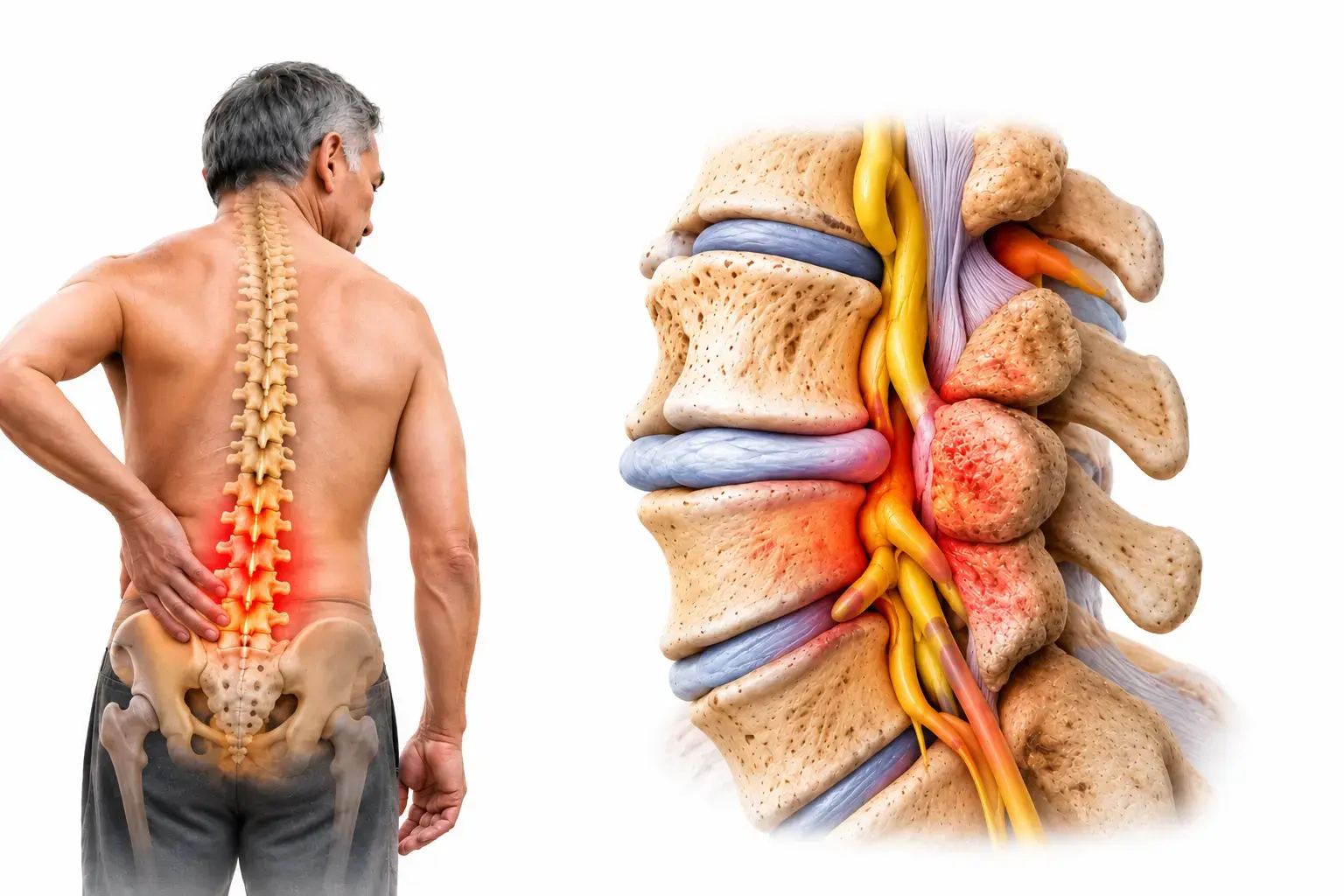
Spinal stenosis develops when the space inside the spinal canal or around the spinal nerves becomes reduced. This can put pressure on nerves or the spinal cord and lead to symptoms such as back pain, neck discomfort, tingling, numbness, or weakness. Some people may also find it difficult to stand or walk for long periods. The effects depend on which part of the spine is affected and how much the narrowing interferes with nerve function.
For those searching for Ayurvedic treatment for spinal stenosis in Kerala, understanding the condition and its medical requirements is an important starting point. Sreerudra Ayurveda Multispeciality Hospital & Research Centre operates in Kerala, with centres in Alappuzha and Thiruvananthapuram. Individuals can contact the hospital to enquire about consultation options and discuss their healthcare concerns.
Treatment decisions should be based on an appropriate medical assessment. Any complementary treatment should be considered in light of the individual’s symptoms, general health, and the extent of possible nerve involvement.
Understanding Spinal Stenosis
The spinal canal is the passage within the backbone that protects the spinal cord and related nerve structures. Small openings between the vertebrae also allow spinal nerves to travel to different parts of the body. When these spaces become narrower, the resulting condition is known as spinal stenosis.
Several changes can contribute to this narrowing, including worn spinal discs, enlarged joints, bone spurs, or thickened ligaments. Although some people have no noticeable symptoms, others may experience pain, altered sensation, muscle weakness, or reduced mobility.
Spinal stenosis can affect different areas of the spine. The location of the narrowing helps explain why one person may experience neck and arm symptoms while another has lower back discomfort and leg problems.
Common Signs and Symptoms of Spinal Stenosis
The symptoms of spinal stenosis are not the same for everyone. They depend on the affected spinal region and whether nearby nerves or the spinal cord are under pressure.
Possible symptoms include:
- Ongoing pain or discomfort affecting the neck or lower back.
- Pain travelling from the back or neck into the arms, shoulders, buttocks, or legs.
- Tingling, numbness, or prickling sensations in the hands or feet..
- Weakness affecting the arms or legs.
- Aching, cramping, or heaviness in the legs during walking.
- Reduced ability to stand or walk for extended periods.
- Problems with balance, coordination, or hand movements.
- Difficulty completing daily activities because of pain or restricted movement.
How Symptoms May Differ by Spinal Region
With lumbar stenosis, symptoms often affect the lower back and legs. Standing or walking may make the discomfort more noticeable, while sitting or leaning forward may provide some relief.
Cervical stenosis affects the neck region. If the spinal cord becomes compressed, a person may experience changes in hand coordination, balance, or walking ability.
These symptoms can also be associated with other medical conditions, so they should not be treated as proof of spinal stenosis without an appropriate assessment.
When Is Medical Attention Urgent?
Certain symptoms can indicate serious pressure on the nerves and require emergency assessment. These include:
- New loss of bladder or bowel control.
- Difficulty passing urine.
- Numbness around the groin or inner thighs, sometimes called saddle numbness.
- Rapidly worsening weakness in the legs.
Increasing difficulty walking, worsening balance, or declining hand coordination also warrants prompt medical attention. Seek urgent medical attention when needed rather than delaying care to try Ayurvedic or other complementary treatments.
Different Types of Spinal Stenosis
Spinal stenosis is generally described according to its location or how the narrowing develops.
Cervical Stenosis
Cervical spinal stenosis refers to narrowing of the spinal canal in the neck region. Depending on the degree of narrowing, it may cause neck pain, arm discomfort, tingling, numbness, or weakness.
Pressure on the spinal cord can lead to cervical myelopathy, which may affect balance, walking, and fine hand movements. These changes need timely assessment by an appropriate specialist.
Lumbar Stenosis
Lumbar stenosis affects the lower part of the spine. People may experience lower back pain, leg discomfort, numbness, tingling, or weakness. Symptoms can become more pronounced during prolonged standing or walking.
The degree of discomfort and mobility restriction varies. Persistent leg symptoms or changes in walking ability should be assessed by a healthcare professional.
Congenital and Degenerative Stenosis
Congenital stenosis refers to a spinal canal that is naturally narrower from birth. Degenerative stenosis develops over time as the discs, joints, bones, and supporting ligaments undergo changes.
Identifying the type and severity of stenosis helps healthcare professionals determine appropriate management options.
What Can Lead to Spinal Stenosis?
Several structural changes may reduce the space available for the spinal cord or nerves.
Ageing and Joint Changes
As people grow older, spinal discs may lose some of their height and flexibility. Changes associated with osteoarthritis can also produce bone spurs or enlargement of the joints, leaving less room for nearby nerves.
Disc Bulging and Herniation
A disc that bulges or herniates may extend towards the spinal canal or the opening through which a nerve passes. Disc degeneration can contribute to further changes in spinal structure.
Thickened Ligaments
Ligaments help support the spine. When certain ligaments become thicker, they may encroach on the spinal canal and contribute to narrowing.
Injury and Other Conditions
Previous spinal injuries and some conditions present from birth can affect the space within the spine. Less commonly, tumours or other abnormalities may also contribute to spinal narrowing.
The underlying cause differs between individuals. A healthcare professional can assess the symptoms and determine what further evaluation may be needed.
Treatment Approaches for Spinal Stenosis
There is no single management plan that suits everyone with spinal stenosis. Decisions depend on the affected region, the severity of symptoms, the person's mobility, and whether the spinal cord or nerves are compromised.
Non-Surgical Management
For some people with mild or stable symptoms, a clinician may recommend changes to activities that aggravate discomfort, suitable prescribed medication, and a supervised rehabilitation programme.
The aim is to manage symptoms and maintain everyday function while monitoring the condition. The plan should be adapted to the person's medical history and physical abilities.
Physiotherapy and Movement Support
A professionally guided physiotherapy programme may help maintain strength, flexibility, balance, and mobility. Exercises need to be selected according to the individual's diagnosis and symptoms rather than followed from a general online routine.
People with significant weakness, balance difficulties, or possible spinal cord compression should receive medical guidance before starting exercises or manual treatment.
Specialist Care and Surgery
When symptoms are severe, continue to worsen, or involve progressive neurological changes, assessment by an orthopaedic spine surgeon or neurosurgeon may be necessary. In selected cases, surgery may be recommended to relieve pressure on the spinal cord or nerves.
The decision depends on the clinical findings and individual circumstances. Complementary care must not delay necessary specialist treatment.
Ayurvedic Treatment for Spinal Stenosis in Kerala
People considering Ayurvedic treatment for spinal stenosis should understand what complementary care may and may not achieve. Spinal stenosis involves a physical reduction in the space available for nerves, and the appropriate approach depends on the underlying structural changes and the person's symptoms.
There is currently no established scientific evidence that Ayurvedic treatment can reverse spinal canal narrowing or reliably remove pressure from compressed nerves. Ayurvedic care should therefore not be presented as a cure for the structural condition.
Before considering complementary treatment, patients should discuss their diagnosis, medical history, current medication, and symptoms with qualified healthcare professionals. This is particularly important when numbness, weakness, difficulty walking, or other neurological symptoms are present.
Any proposed therapy needs to be assessed individually for its potential benefits, risks, and suitability. It should not replace specialist evaluation, prescribed treatment, evidence-based rehabilitation, or surgery when medically necessary.
Why Individual Assessment Matters
Two people with spinal stenosis may have different symptoms and medical needs. An approach that may be appropriate for someone with stable discomfort could be unsuitable for a person experiencing progressive weakness or spinal cord compression.
Patients should be prepared to discuss their existing diagnosis, previous medical assessments, current prescriptions, other health conditions, and day-to-day limitations with their healthcare professionals. This information helps inform decisions about safe and appropriate care.
The priority is to protect neurological function, support mobility where possible, and avoid delaying necessary medical intervention.
Ayurvedic Healthcare at Sreerudra Ayurveda
Sreerudra Ayurveda Multispeciality Hospital & Research Centre has centres in Alappuzha and Thiruvananthapuram, Kerala. People interested in Ayurvedic healthcare can contact the hospital to enquire about consultation options and explain their individual concerns.
Anyone experiencing symptoms that may be related to spinal stenosis should first obtain an appropriate medical assessment. Patients who are already receiving care from a specialist should continue following their treatment plan and discuss any complementary approach with their treating healthcare professional.
Why Consider Sreerudra Ayurveda for Spinal Stenosis?
Choosing a healthcare provider starts with understanding your concerns and discussing your options. Individuals experiencing neck pain, lower back discomfort, numbness, or mobility difficulties can contact Sreerudra Ayurveda to enquire about consultation options.
Before making decisions about care, it is important to understand the nature of the spinal condition and whether nerve involvement requires specialist attention. Patients may find it helpful to keep their existing medical reports, medication details, and relevant health history available when discussing their concerns.
Treatment suitability depends on each person's clinical circumstances. Qualified healthcare professionals should guide decisions about complementary care, particularly when neurological symptoms are present.
If you or a family member is exploring healthcare options for spinal stenosis, contact Sreerudra Ayurveda to discuss your concerns and enquire about the next steps.
Frequently Asked Questions About Spinal Stenosis
What symptoms can indicate spinal stenosis?
Possible signs include neck or lower back pain, numbness, tingling, limb weakness, and difficulty walking for long periods. Lower spinal narrowing may cause leg discomfort during standing or walking, while narrowing in the neck may affect hand coordination or balance. These symptoms can have other causes, so an appropriate medical assessment is important.
Is surgery necessary for every person with spinal stenosis?
No. Some people with mild or stable symptoms may be managed with clinician-guided non-surgical care, medication where appropriate, activity changes, and physiotherapy. Others may need specialist treatment or surgery, depending on the severity of nerve compression and their symptoms. Progressive neurological problems require prompt medical evaluation.
Can Ayurveda cure spinal stenosis?
There is no established scientific evidence that Ayurvedic treatment reverses the narrowing of the spinal canal or cures spinal stenosis. Complementary care should be considered only with appropriate professional guidance and should not replace necessary medical treatment or specialist care.
Is Ayurvedic care suitable for everyone with spinal stenosis?
No. Suitability depends on the individual's diagnosis, symptoms, other health conditions, medicines, and degree of nerve involvement. People with worsening weakness, significant balance problems, or possible spinal cord compression need appropriate medical assessment before considering complementary therapies.
When should someone seek specialist advice for spinal stenosis?
Medical advice is important when neck or back pain persists, numbness or weakness develops, or walking becomes difficult. Worsening balance, reduced hand coordination, or progressive weakness requires prompt assessment. New bladder or bowel control problems, difficulty passing urine, saddle numbness, or rapidly worsening leg weakness require emergency medical care.