
Ayurvedic Treatment for Scoliosis in Kerala
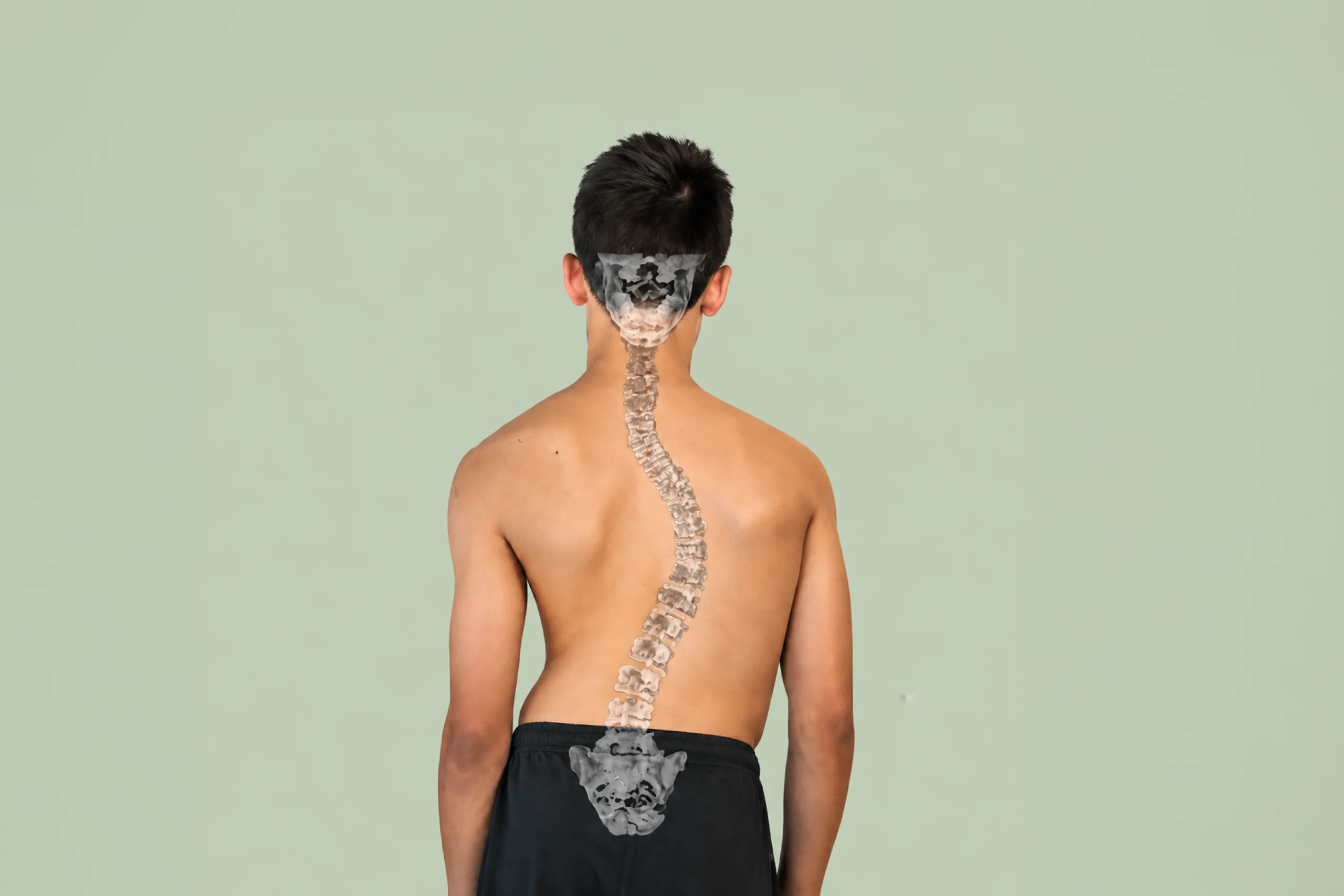
Scoliosis affects the natural alignment of the spine, causing it to curve sideways instead of following its usual shape. The condition can vary in severity and may be identified during childhood, adolescence, or adulthood. Depending on the individual, it may cause visible postural differences, muscular discomfort, stiffness, or difficulties with certain movements.
At Sreerudra Ayurveda, care for individuals with scoliosis begins with understanding their symptoms, physical capabilities, medical history, and overall health. Based on the physician’s assessment, a personalized care plan may include selected Ayurvedic procedures, prescribed medicines, lifestyle recommendations, and supportive rehabilitation.
The treatment approach is tailored to the individual rather than following the same procedures for everyone. The goal is to help maintain comfort, support daily activities, and improve overall quality of life while ensuring appropriate medical guidance is followed.
Understanding Scoliosis
Scoliosis occurs when the spine develops an unusual lateral bend that changes its normal alignment. In some individuals, the spine may also rotate, creating visible differences in the appearance of the back, shoulders, or waist.
The condition can develop for several reasons. Some people discover it during their growing years, while others develop spinal curvature later in life. The degree of curvature, the person's age, and the underlying cause all influence the type of care required.
Mild scoliosis may not produce noticeable discomfort. More pronounced curvature, however, can affect posture and movement, and some individuals may experience back pain or muscle fatigue. A medical evaluation helps establish the nature of the condition and whether further monitoring or specialist treatment is necessary.
Signs and Symptoms of Scoliosis
Scoliosis does not look or feel the same in everyone. Its signs may be subtle or more noticeable depending on the location and extent of the spinal curve.
Possible signs include:
- One shoulder sitting higher than the other
- Uneven hips or a tilted pelvis
- An uneven appearance along the waist
- One side of the back looking more raised or noticeable than the other
- Changes in the natural alignment of the spine
- Back stiffness or muscular discomfort
- Fatigue during prolonged standing or physical activity
- Difficulty with certain movements or everyday activities
Some people have spinal curvature without experiencing pain. If you notice changes in posture or spinal alignment, seek a professional assessment rather than relying on appearance alone to determine whether scoliosis is present.
Why Does Scoliosis Develop?
There is no single cause of scoliosis. The causes of scoliosis differ from person to person and may be influenced by the type of spinal deformity, the individual's age, and their general health condition.
Idiopathic scoliosis: This form has no clearly identified cause and is commonly diagnosed during childhood or adolescence.
Congenital scoliosis: This develops when the spine does not form typically before birth.
Neuromuscular scoliosis: Disorders that interfere with normal muscle function or nervous system activity may lead to changes in spinal alignment.
Degenerative scoliosis: Changes in the spine associated with ageing and the deterioration of spinal structures can lead to curvature in adults.
Spinal curvature may also occur in association with other medical conditions. Identifying the underlying cause is important because treatment and monitoring requirements differ between individuals.
How Is Scoliosis Evaluated?
A comprehensive medical assessment can identify the nature of the spinal curve and help guide decisions about appropriate treatment and ongoing care. A healthcare professional may examine posture, shoulder and hip symmetry, spinal movement, and other physical features.
Depending on the findings, spinal X-rays or other investigations may be recommended to assess the curve and monitor changes over time.
The evaluation may also consider the person's age, symptoms, medical history, mobility, and any associated neurological concerns. Orthopaedic or other specialist assessment may be necessary in certain cases.
At Sreerudra Ayurveda, an individualized Ayurvedic care plan should take account of the person's existing medical findings and any recommendations made by their treating specialists.
Can Scoliosis Cause Back Pain?
Scoliosis and back pain can occur together, but one does not automatically mean the other is responsible. Some people have a spinal curve without significant discomfort, while others experience stiffness, muscle strain, fatigue, or movement-related pain.
The relationship between spinal curvature and pain can be influenced by several factors, including muscle function, age-related spinal changes, activity levels, and other musculoskeletal conditions.
If back pain is persistent, severe, or getting worse, it is important to identify the actual cause. New limb weakness, numbness, difficulty walking, or problems with bladder or bowel control require prompt medical assessment.
Ayurvedic Perspective on Scoliosis
Ayurveda approaches health by considering the person's overall physical condition, symptoms, daily habits, and individual needs. It does not have an exact equivalent for every modern spinal diagnosis, including scoliosis.
For this reason, an Ayurvedic assessment should not rely on the diagnosis alone. The person's comfort, mobility, muscular symptoms, general health, and existing medical treatment also need consideration.
Ayurvedic care may be explored as a complementary approach where appropriate. However, it should not replace the medical assessment and specialist management needed to monitor spinal curvature or address progressive scoliosis.
Ayurvedic Treatment Approach for Scoliosis
At Sreerudra Ayurveda, each patient's care plan is developed according to their specific health needs, symptoms, and assessment findings rather than following a standard treatment programme. The physician considers the person's health status, symptoms, physical strength, mobility, and suitability for different procedures before recommending care.
Depending on the assessment, a supportive care plan may involve:
- Selected traditional Ayurvedic therapies
- Medicines prescribed by a qualified Ayurvedic physician
- Individualized diet and daily routine recommendations
- Guidance on comfortable movement and physical activity
- Rehabilitation support, where appropriate
- Coordination with conventional medical care when required
The purpose of these measures is to support comfort and functional wellbeing. Their suitability and potential benefits vary between individuals, and they should not be presented as a proven way to reverse spinal curvature.
Ayurvedic Therapies That May Be Considered
Traditional Kerala Ayurveda includes several procedures used in the management of selected musculoskeletal complaints. Sreerudra Ayurveda's existing spine-treatment information refers to therapies such as Abhyanga, Swedana, Kati Vasti, Patrapindasweda, Upanaha, Virechana, Vasti, and Meru Chikitsa.
These procedures are not appropriate for every person with scoliosis. The suitability of each therapy is determined through a qualified physician's consultation, taking into account the patient's health status, individual needs, and relevant safety considerations.
Abhyanga
Abhyanga is a traditional Ayurvedic oil massage performed using selected oils and techniques. When suitable, it may be included in a supportive care programme intended to promote relaxation and general muscular comfort.
Swedana
Swedana refers to traditional Ayurvedic heat-based or fomentation procedures. A physician may consider this approach in selected circumstances after assessing the person's symptoms, health status, and tolerance for heat.
Kati Vasti
Kati Vasti involves placing warm medicated oil within a contained area over the lower back. It is a traditional procedure used for certain back-related complaints and may be considered only when appropriate for the individual.
Patrapindasweda
Patrapindasweda is an Ayurvedic fomentation technique that uses prepared herbal leaves, generally applied as warm bundles. Whether it is suitable depends on the patient's condition and the physician's recommendations.
Vasti
Vasti is a classical Ayurvedic procedure involving the administration of prescribed substances through a specific therapeutic method. It requires professional supervision and should only be undertaken when clinically appropriate.
Other therapies, including Upanaha, Virechana, or Meru Chikitsa, may be discussed by the physician when relevant to the person's overall care. Their inclusion should never be assumed solely because someone has scoliosis.
Ayurvedic Medicines and Individualized Care
An Ayurvedic practitioner may prescribe medicines after considering the patient's health background, current symptoms, age, and overall physical condition. The selection and duration of treatment should be based on an individual assessment.
It is important to tell healthcare providers about all medicines, supplements, and herbal products being used. Some products can interact with conventional medicines or may not be suitable for particular health conditions.
Do not stop prescribed medication or delay specialist treatment to try a new therapy without discussing the decision with the relevant healthcare professional.
Diet and Lifestyle Recommendations
Everyday habits can contribute to general musculoskeletal health and physical wellbeing. Diet and lifestyle advice should be adapted to the person's nutritional needs, activity level, and medical condition.
Depending on individual requirements, recommendations may include:
- Eating a balanced diet with adequate protein and essential nutrients
- Maintaining a regular sleep routine
- Staying physically active within comfortable limits
- Taking breaks from prolonged sitting or standing
- Maintaining a healthy body weight
- Following professional guidance for posture and movement
There is no single diet that can correct scoliosis. Likewise, exercise recommendations should not be the same for everyone. A physiotherapist or other qualified professional can help determine which movements and strengthening activities are suitable for a particular spinal condition.
Rehabilitation and Movement Support
Movement, balance, strength, and flexibility may be important considerations in the overall management of scoliosis. The type of support needed depends on the spinal curve, age, symptoms, and physical abilities of the individual.
Where appropriate, rehabilitation guidance can form part of a broader care plan. Exercises should be selected according to the person's needs, and specialist-designed scoliosis exercises may be recommended in some cases.
At Sreerudra Ayurveda, rehabilitation-oriented support may be considered alongside physician-guided Ayurvedic care when suitable. The aim should be to help the person manage functional difficulties and maintain comfortable movement, not to promise that rehabilitation or Ayurveda will eliminate the spinal curve.
Why Consider Sreerudra Ayurveda for Scoliosis Care?
Sreerudra Ayurveda is a multispeciality hospital in Kerala that provides traditional Ayurvedic treatments, Panchakarma procedures, personalized consultations, and care tailored to various health conditions.
For someone exploring Ayurvedic care alongside appropriate scoliosis management, the approach begins with an assessment of individual symptoms and health requirements. After evaluating the patient's condition, the physician may recommend appropriate therapies, individual prescriptions, and practical changes to diet or daily habits.
The hospital has centres in Alappuzha and Thiruvananthapuram, Kerala. Patients are welcome to get in touch with the hospital to enquire about its treatment facilities, schedule a consultation, and understand which services may suit their health requirements.
Choosing treatment should involve clear information about the expected goals, possible limitations, safety precautions, and the need for continued medical monitoring.
Ayurvedic Care Alongside Conventional Scoliosis Management
Scoliosis management varies according to the severity and progression of the curve, the person's age, and the underlying cause. Depending on these factors, conventional care may involve observation, specialist-prescribed exercises, bracing during growth, or surgery in selected cases.
Ayurvedic treatment should not delay or replace these options when they are medically indicated. Anyone considering complementary therapies should discuss them with their treating doctor, particularly if the curvature is progressing or symptoms are affecting daily life.
A coordinated approach can help ensure that supportive care does not interfere with necessary medical treatment.
When Should You Seek Medical Advice?
Arrange a medical evaluation if you or your child develops noticeable spinal asymmetry or a change in posture. Assessment is especially important when you notice:
- Increasing differences in shoulder or hip height
- A visible change in the shape of the back
- Persistent or worsening back discomfort
- Numbness, tingling, or weakness in the limbs
- Changes in walking, balance, or coordination
- Breathing difficulties associated with a significant spinal deformity
- Rapidly changing posture or spinal alignment
New or severe neurological symptoms require urgent medical attention. Early evaluation can help identify the condition, determine its severity, and guide appropriate management.
Frequently Asked Questions
What is scoliosis, and how does it develop?
Scoliosis is a condition in which the spine develops an abnormal sideways curve, sometimes accompanied by rotation. It may be identified during childhood or adolescence, or develop in adulthood because of degenerative changes or other medical conditions. In many younger patients, the precise cause is unknown. A medical examination can help identify the characteristics of the spinal curve and establish whether additional tests or regular follow-up are necessary.
Can Ayurvedic treatment help people with scoliosis?
Ayurvedic care may be considered as a complementary option for selected individuals, depending on their symptoms, overall health, and medical needs. An Ayurvedic physician may recommend suitable traditional procedures, medicines, and lifestyle guidance following an assessment. These approaches should not be assumed to correct the spinal curve, and they should not replace appropriate orthopaedic evaluation or established scoliosis management.
Which Ayurvedic therapies are used for scoliosis?
Depending on the individual assessment, a physician may discuss traditional procedures such as Abhyanga, Swedana, Kati Vasti, Patrapindasweda, or other Ayurvedic therapies. The choice depends on the person's health, symptoms, and treatment requirements. Not every procedure is suitable for every patient, so treatment should be planned and supervised by a qualified practitioner.
Can scoliosis be completely cured with Ayurveda?
It would not be appropriate to guarantee that Ayurvedic treatment can cure scoliosis or straighten the spine. Management depends on the cause, severity, and progression of the curvature, as well as the person's age and health. Complementary Ayurvedic care may be explored for supportive purposes, but medical monitoring and specialist treatment remain important when indicated.
Does everyone with scoliosis experience back pain?
No. Some people have scoliosis without noticeable pain, while others experience stiffness, muscular discomfort, fatigue, or movement limitations. Symptoms can vary according to the individual and may also arise from conditions unrelated to scoliosis. Persistent or worsening pain should be evaluated by a healthcare professional rather than automatically attributed to the spinal curve.