Ayurvedic Treatment for Paralysis in Kerala
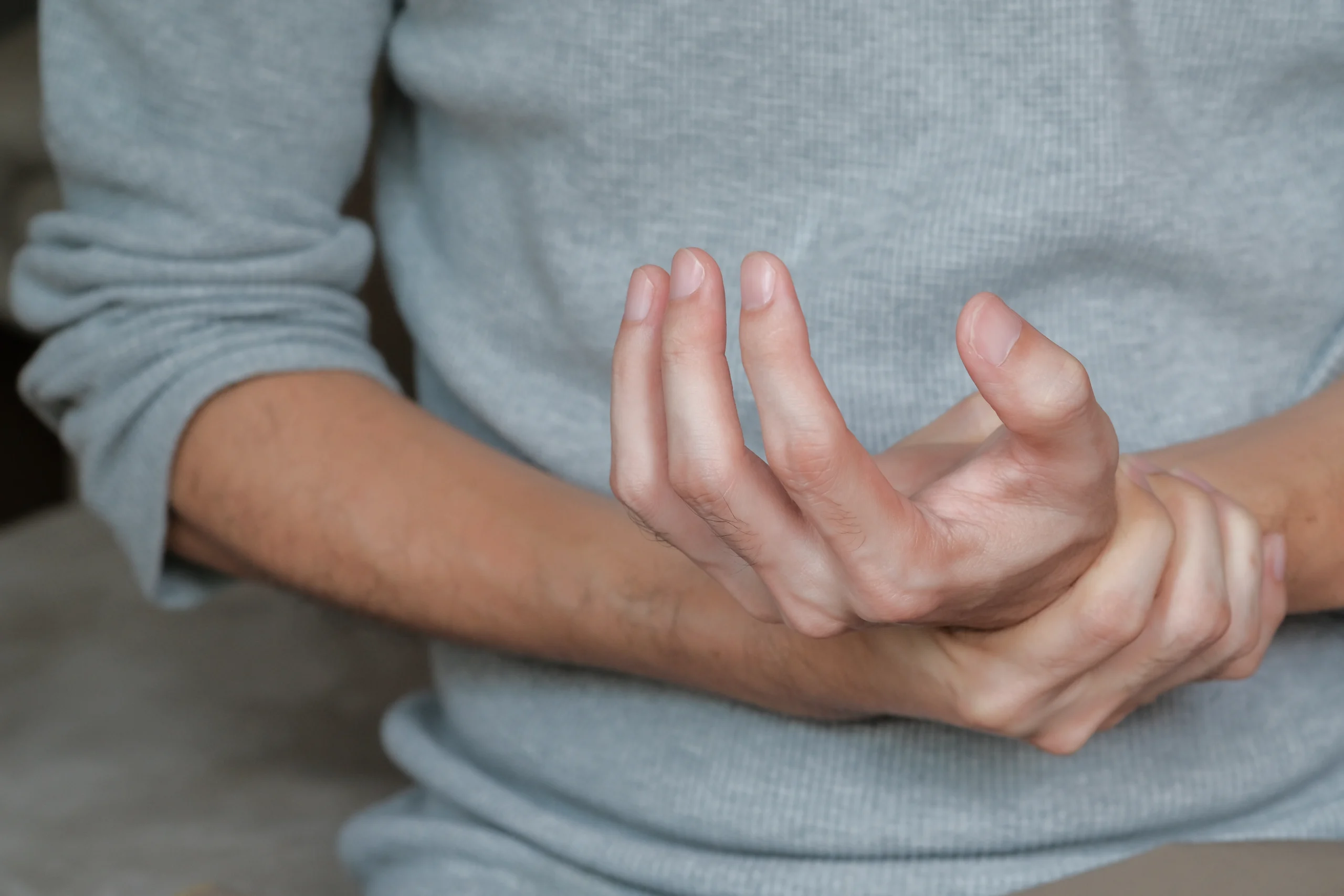
Paralysis is a condition that affects a person’s ability to move muscles in one or more parts of the body. It often occurs due to damage to the nervous system, particularly the brain, spinal cord, or nerves responsible for muscle movement. Depending on the cause and severity, paralysis can affect mobility, coordination, speech, facial expressions, and daily activities. Ayurvedic Treatment for Paralysis in Kerala focuses on supporting recovery through a holistic approach that combines traditional therapies, rehabilitation techniques, lifestyle modifications, and personalized care. Ayurveda aims to improve strength, mobility, circulation, and overall quality of life while addressing the underlying imbalance within the body.
Understanding Paralysis and Its Causes
Paralysis occurs when the communication between brain and muscles is disrupted. The condition may be affect a single limb, one side of the body, the lower body, or multiple body regions.
Common causes of paralysis include:
- Stroke
- Brain injury
- Spinal cord injury
- Neurological disorders
- Nerve damage
- Infections affecting the nervous system
- Trauma and accidents
- Tumors affecting the brain or spinal cord
The severity of symptoms and recovery potential often depend on the location and extent of neurological damage.
Common Symptoms of Paralysis
The symptoms of paralysis vary based on the affected area and underlying cause. Some individuals experience complete loss of movement, while others may retain partial muscle control.
Common symptoms include:
- Muscle weakness
- Loss of movement
- Difficulty walking
- Impaired balance and coordination
- Speech difficulties
- Facial muscle weakness
- Difficulty performing daily activities
- Reduced muscle strength
- Loss of sensation in affected areas
Early intervention and rehabilitation play an important role in supporting functional recovery.
Effects of Paralysis on Daily Life
Paralysis can significantly impact physical independence and emotional well-being. Many individuals face challenges with mobility, communication, self-care, and routine activities.
Long-term complications may include:
- Muscle stiffness
- Reduced flexibility
- Joint discomfort
- Poor circulation
- Muscle wasting
- Emotional stress
- Reduced confidence and independence
A comprehensive rehabilitation approach can help individuals improve mobility, regain functional abilities, and enhance overall quality of life.
Ayurvedic Perspective on Paralysis
According to Ayurveda, paralysis is often associated with an aggravated Vata dosha. Vata governs movement, nerve impulses, circulation, and communication within the body. When Vata becomes imbalanced, it may affect the normal functioning of muscles, nerves, and motor activities.
Ayurvedic Treatment for Paralysis focuses on balancing Vata, improving circulation, nourishing tissues, supporting nerve function, and promoting physical rehabilitation. Treatment plans are individualized based on the patient’s condition, symptoms, and recovery goals.
Ayurvedic Treatment for Paralysis
Ayurveda utilizes a combination of therapies designed to support neurological recovery, muscle strength, and overall wellness.
Abhyanga Therapy
Abhyanga involves the application of warm medicated oils through specialized massage techniques. This therapy helps improve circulation, support muscle relaxation, and promote overall well-being.
Pizhichil Therapy
Pizhichil is a traditional Ayurvedic therapy in which warm herbal oils are continuously poured over the body. It is commonly used to support muscular and neurological health while promoting relaxation.
Panchakarma Therapy
Panchakarma is a traditional Ayurvedic detoxification and rejuvenation approach that may be incorporated into paralysis rehabilitation Ayurveda programs. These therapies aim to restore balance and support the body’s natural healing processes.
Njavarakizhi Therapy
This specialized Ayurvedic treatment utilizes medicated rice boluses applied through therapeutic massage techniques. It is often used to support muscle nourishment and strength.
Paralysis Rehabilitation Ayurveda
Rehabilitation plays a vital role in the recovery journey of individuals affected by paralysis. Paralysis rehabilitation Ayurveda combines traditional therapies with personalized wellness strategies aimed at improving mobility, coordination, and functional independence.
Rehabilitation programs may focus on:
- Improving muscle strength
- Supporting mobility
- Enhancing balance and coordination
- Improving flexibility
- Promoting physical recovery
- Supporting emotional well-being
The rehabilitation process varies based on the severity of the condition and individual recovery goals.
Ayurveda Stroke Recovery and Physiotherapy Support
Stroke is one of the leading causes of paralysis. Ayurveda stroke recovery programs often combine therapeutic procedures with structured rehabilitation techniques to support physical and neurological recovery.
Ayurvedic physiotherapy can play an important role in improving mobility, muscle function, balance, and coordination. The integration of Ayurvedic therapies and physiotherapy may help individuals work toward greater functional independence and enhanced quality of life.
Facial Paralysis Treatment Ayurveda
Facial paralysis affects the muscles responsible for facial expressions and movement. It may develop due to nerve damage, infections, neurological conditions, or other underlying causes.
Facial paralysis treatment Ayurveda focuses on supporting nerve health, muscle function, and facial mobility through personalized therapies and rehabilitation techniques. Treatment plans are designed according to the individual’s symptoms and overall condition.
Why Choose Ayurvedic Treatment for Paralysis in Kerala?
Kerala is internationally recognized for its authentic Ayurvedic heritage and specialized wellness therapies. Individuals seeking the best Ayurvedic Treatment for Paralysis in Kerala often benefit from experienced practitioners, personalized treatment plans, and traditional rehabilitation approaches.
A Kerala Ayurvedic & advanced physiotherapy centre may combine Ayurvedic therapies with rehabilitation techniques to create a comprehensive recovery-focused approach. This integrated model aims to support mobility, physical function, and long-term wellness.
Frequently Asked Questions
Can Ayurveda help support paralysis recovery?
Ayurveda focuses on improving overall well-being, supporting mobility, enhancing muscle function, and promoting rehabilitation through personalized therapies and wellness practices. Traditional Ayurvedic treatments aim to support circulation, nerve health, and muscular strength while helping individuals improve their functional abilities. Treatment plans are tailored according to the individual’s condition, symptoms, and recovery goals.
What therapies are commonly used for paralysis management?
Abhyanga, Pizhichil, Panchakarma and Njavarakizhi are commonly used Ayurvedic therapies incorporated into paralysis care programs. These therapies are often selected to support muscle relaxation, circulation, mobility, and overall neurological wellness. Depending on the individual’s needs, rehabilitation strategies and supportive therapies may also be included as part of a comprehensive recovery plan.
Is physiotherapy important during paralysis rehabilitation?
Physiotherapy can play a significant role in improving strength, mobility, balance, and functional independence during the recovery process. Structured rehabilitation exercises may help support muscle function, coordination, flexibility, and movement. When combined with Ayurvedic therapies, physiotherapy can contribute to a more comprehensive approach to recovery and long-term wellness.
How long does paralysis rehabilitation take?
The duration varies depending on the underlying cause, severity of symptoms, overall health condition, and individual rehabilitation goals. Recovery timelines differ from person to person, and some individuals may require ongoing rehabilitation and supportive care. Consistent participation in therapies, physiotherapy, and recommended lifestyle practices can play an important role in achieving the best possible outcomes.
Conclusion
Paralysis can affect mobility, independence, and overall quality of life, making timely rehabilitation and supportive care essential. Ayurvedic Treatment for Paralysis in Kerala combines traditional therapies, rehabilitation strategies, Ayurvedic physiotherapy, and personalized wellness plans to support recovery and long-term well-being. By focusing on nerve health, muscle function, circulation, and holistic care, Ayurveda aims to help individuals improve mobility, enhance daily functioning, and work toward a better quality of life.