

Ayurvedic Treatment for Osteoporosis in Kerala
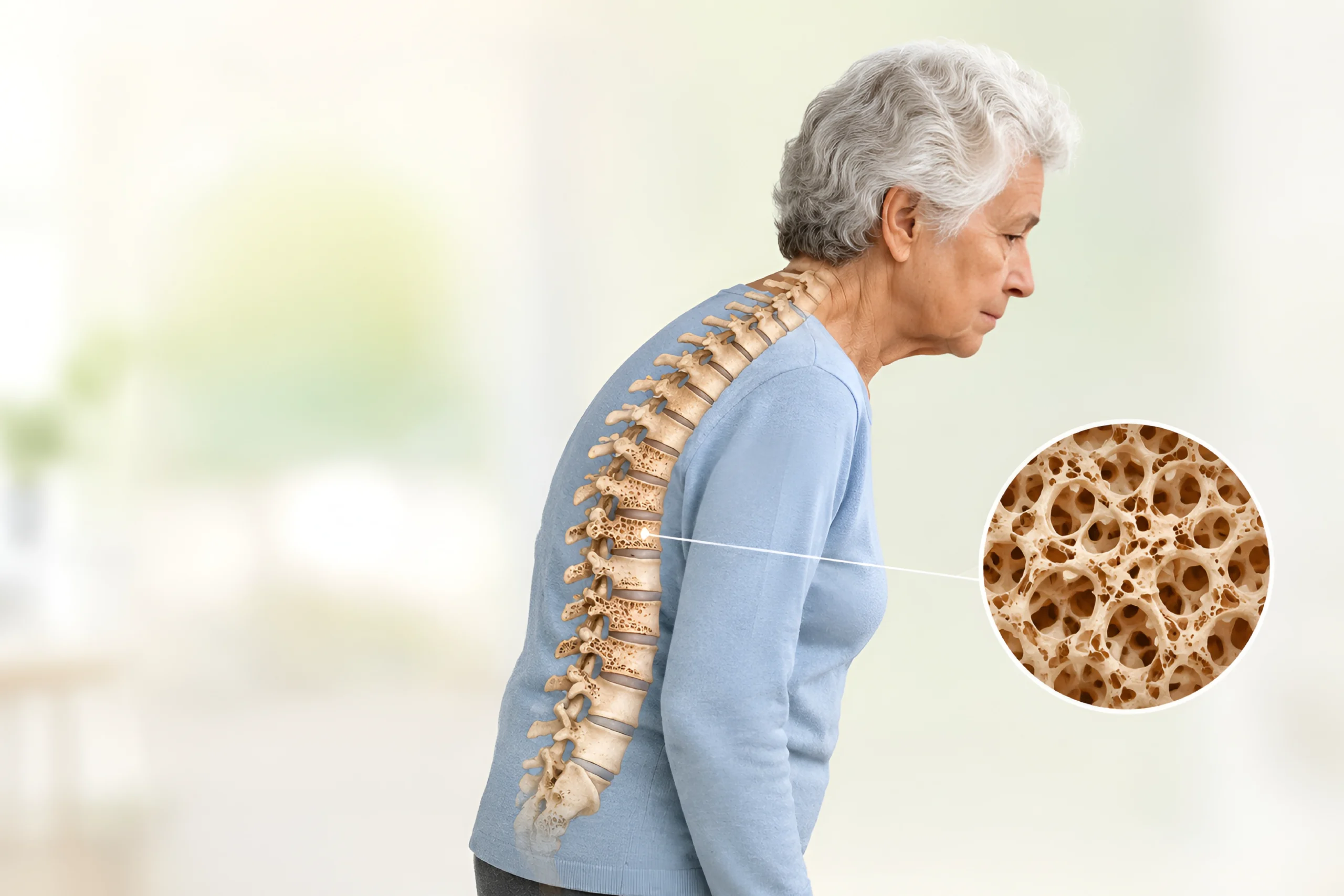
Osteoporosis is a progressive bone condition that reduces bone strength and makes the skeletal structure more vulnerable to fractures. It often develops gradually without noticeable symptoms in the early stages. As bone density decreases, even minor falls or everyday physical stress may sometimes lead to fractures.Recognizing osteoporosis early and following appropriate measures to support bone health can help maintain physical function, mobility, and overall wellbeing.
Several factors can affect the strength and health of bones, such as ageing, hormonal fluctuations, dietary habits, level of physical activity, genetic background, and certain underlying health conditions. Managing osteoporosis therefore requires an approach that considers the individual's overall health, nutritional status, lifestyle, and risk of fractures.
At Sreerudra Ayurveda, treatment planning begins with an assessment of the patient's condition and individual requirements. Depending on the assessment, suitable Ayurvedic therapies, prescribed medicines, dietary recommendations, lifestyle guidance, and supportive rehabilitation may be considered.
What Is Osteoporosis?
Osteoporosis is a skeletal condition associated with a decline in bone density and deterioration of the normal bone structure. Throughout life, bone tissue is constantly renewed through a balance between the removal of older bone and the formation of new bone. When this balance shifts towards greater bone loss, the bones can gradually become weaker and more prone to breaking.
The spine, hip, and wrist are among the areas frequently affected by osteoporosis. When weakened vertebrae develop fractures, a person may experience ongoing back discomfort, a gradual reduction in height, or noticeable changes in posture. Hip fractures can significantly affect mobility and independence, particularly among older adults.
One of the main challenges with osteoporosis is that it may not cause obvious symptoms during its early stages. Because osteoporosis can develop without obvious symptoms, it may sometimes be detected only following an unexpected fracture or during a bone-density assessment. Medical evaluation and appropriate monitoring are therefore important, particularly for individuals with known risk factors.
Common Symptoms of Osteoporosis
Osteoporosis is often described as a silent condition because bone loss may occur without noticeable warning signs. Symptoms, when present, can vary depending on the severity of bone loss and whether fractures have occurred.
Common signs and concerns associated with osteoporosis include:
- Back discomfort, particularly when spinal fractures are present
- Gradual loss of height over time
- Changes in posture, including a stooped appearance
- Fractures following minor falls or relatively small injuries
- Reduced mobility or difficulty maintaining usual physical activities
These symptoms do not always indicate osteoporosis and may have other causes. Anyone experiencing persistent back pain, unexplained height loss, or a suspected fracture should seek appropriate medical evaluation.
What Causes Osteoporosis?
Osteoporosis can develop due to a combination of factors that affect bone formation, bone loss, and the body's ability to maintain healthy bone tissue. Although some risk factors cannot be changed, understanding them can help people make informed decisions about bone health.
Important risk factors include:
- Advancing age and natural changes in the way bones are formed and maintained over time.
- Hormonal changes, particularly after menopause
- Family history of osteoporosis or previous fractures
- Inadequate calcium or vitamin D intake
- Limited physical activity, particularly weight-bearing exercise
- Low body weight, smoking, excessive alcohol consumption, certain long-term medications, and underlying medical conditions
The risk varies from person to person. Based on factors such as a person's age, health history, previous fractures, and individual risk profile, a healthcare provider may advise a bone-density test or other appropriate investigations.
Osteoporosis and Ayurveda
In traditional Ayurvedic literature, bone tissue is associated with Asthi Dhatu, one of the seven fundamental tissue systems described in Ayurveda. Traditional Ayurvedic understanding considers bone health in relation to tissue nourishment, digestion, ageing, physical strength, lifestyle, and Vata balance.
From this perspective, Ayurvedic care considers the individual rather than focusing on a single symptom. The patient's age, constitution, physical capacity, digestive health, nutritional habits, and existing medical conditions may all influence treatment planning.
This individualized approach does not mean that the same therapies or medicines are suitable for everyone with osteoporosis. The treating physician must assess the person's health status and determine which interventions, if any, are appropriate. Ayurvedic care should also be coordinated with necessary medical evaluation and fracture-prevention measures.
Ayurvedic Treatment for Osteoporosis in Kerala
At Sreerudra Ayurveda, osteoporosis-related care begins with a detailed consultation and assessment of the patient's individual needs. The physician considers relevant health concerns, physical strength, age, lifestyle, symptoms, and existing medical treatment before planning an appropriate course of care.
The treatment plan may incorporate selected Ayurvedic therapies, prescribed medicines, dietary recommendations, lifestyle guidance, and rehabilitation-oriented support where appropriate. The choice of treatment depends on the patient's condition rather than following a uniform protocol for everyone.
Sreerudra Ayurveda lists osteoporosis among its other spine and disc-related conditions. Its broader Ayurvedic care approach includes traditional therapies and individualized treatment planning. The suitability of specific procedures for a person with osteoporosis must be assessed separately, particularly when there is a history of fractures or advanced bone weakness.
Physician-Guided Ayurvedic Therapies
Ayurvedic therapeutic procedures may be considered according to the patient's symptoms, age, physical strength, mobility, and overall health. The purpose of individualized supportive care is to address relevant health concerns while taking the person's physical limitations into account.
People with osteoporosis may have an increased risk of fractures, so therapies involving pressure, vigorous massage, forceful movements, or physical manipulation require particular caution. The physician should determine which procedures are safe and suitable for the individual.
Ayurvedic Medicines
Ayurvedic medicines may be prescribed when considered appropriate by the treating physician. The selection depends on the person's health condition, constitution, digestive capacity, medical history, and other relevant factors.
Patients should inform their healthcare providers about all medicines and supplements they are taking. Self-medication is not advisable, particularly for older adults and people receiving treatment for osteoporosis or other chronic conditions. Prescribed bone-strengthening medicines should not be stopped or replaced without advice from the treating healthcare professional.
Abhyanga and Therapeutic Oil Applications
Abhyanga and selected oil-based therapies are traditional components of Ayurvedic practice. Depending on the individual's condition, certain applications may be considered as part of supportive care for relaxation and general musculoskeletal wellbeing.
However, not every oil therapy is suitable for every patient with osteoporosis. The method, pressure, and type of procedure should be selected by a qualified physician, with appropriate precautions for fragile bones and any previous fractures.
Panchakarma-Based Care
Panchakarma therapies may be considered for selected patients when the physician determines that they are appropriate. The decision should take into account the patient's physical strength, age, medical history, mobility, and risk of complications.
Osteoporosis does not automatically mean that a person should undergo Panchakarma. Intensive or physically demanding procedures may be unsuitable for some individuals. A careful assessment is necessary before incorporating any such therapy into an individualized care plan.
Diet and Lifestyle Guidance
Nutrition and lifestyle habits play an important role in maintaining bone health. Patients may benefit from individualized guidance that considers their dietary intake, nutritional requirements, activity level, sleep, and general health.
Adequate calcium and vitamin D are important for bone health, while appropriate physical activity can help support strength and balance. Depending on the individual's condition, a healthcare professional may recommend dietary adjustments, supplements, or suitable exercises. People at high risk of fractures should seek professional guidance before beginning a new exercise routine.
Rehabilitation Support
Some people with osteoporosis experience reduced confidence in movement, particularly after a fracture or a period of limited activity. Rehabilitation-focused support may be considered when mobility, balance, or daily functioning requires attention.
Any rehabilitation programme should be adapted to the individual's bone health, fracture history, and physical capacity. A healthcare professional can recommend suitable activities and precautions to reduce the risk of falls and further injury.
Benefits of an Individualized Ayurvedic Approach
A personalized Ayurvedic care plan may support general musculoskeletal wellbeing, relaxation, mobility, and healthier daily routines. It may also provide an opportunity to review lifestyle habits and discuss supportive measures suited to the individual's health condition.
The response to treatment varies according to age, nutritional status, severity of bone loss, existing medical conditions, fracture history, and other individual factors. Ayurvedic treatment should not be represented as a guaranteed method of increasing bone density, reversing osteoporosis, or preventing all fractures.
Appropriate medical monitoring remains essential. Depending on the person's fracture risk, conventional treatment may be recommended to reduce bone loss and prevent fractures. Supportive Ayurvedic care should not delay or replace these measures.
Who May Consider Ayurvedic Care for Osteoporosis?
People diagnosed with osteoporosis may consider discussing supportive Ayurvedic care with a qualified physician as part of a broader health management plan. It may also be relevant for individuals who want personalized guidance regarding general musculoskeletal wellbeing, daily routines, and lifestyle habits.
Before starting treatment, patients should share their medical history, bone-density reports, fracture history, and current medicines with their healthcare providers. These details help the treating team understand the person's condition and identify necessary precautions.
Anyone who experiences sudden severe back pain after a fall, a suspected fracture, or a significant new difficulty with movement should seek prompt medical attention rather than relying on massage or other therapies.
Why Choose Sreerudra Ayurveda for Osteoporosis Care?
Sreerudra Ayurveda Multispeciality Hospital and Research Centre provides physician-guided Ayurvedic care with an emphasis on individualized treatment planning. Its broader approach includes traditional Kerala Ayurveda therapies, prescribed medicines, Panchakarma-based care where appropriate, diet and lifestyle guidance, and rehabilitation-oriented support.
For individuals seeking Ayurvedic treatment for osteoporosis in Kerala, an initial consultation can help determine whether supportive Ayurvedic care is suitable for their health status and individual needs. Treatment recommendations should take into account age, physical strength, existing medical conditions, fracture risk, and ongoing treatment.
Sreerudra Ayurveda has centres in Alappuzha and Thiruvananthapuram, Kerala. Patients can contact the hospital to enquire about consultation and discuss their treatment requirements.
Frequently Asked Questions
What is osteoporosis, and what are its common symptoms?
Osteoporosis is a condition in which bones become less dense and more fragile, increasing the risk of fractures. It may not cause noticeable symptoms during its early stages. When complications develop, some people may experience back discomfort, gradual loss of height, changes in posture, or fractures following minor falls. Medical evaluation and bone-density testing, when recommended, can help identify the condition and assess fracture risk.
Can Ayurvedic treatment help with osteoporosis?
Ayurvedic treatment may be considered as supportive care for overall musculoskeletal wellbeing, depending on the individual's condition. The approach may include physician-guided therapies, prescribed medicines, dietary recommendations, and lifestyle guidance. At Sreerudra Ayurveda, treatment planning is individualized following assessment. Ayurveda should not replace appropriate medical monitoring or prescribed treatment intended to reduce fracture risk.
What Ayurvedic therapies may be considered for osteoporosis?
The approach to Ayurvedic treatment for osteoporosis in Kerala varies according to age, physical strength, medical history, symptoms, and overall health. A physician may consider suitable therapeutic procedures, selected oil applications, medicines, diet and lifestyle guidance, or rehabilitation support. Panchakarma-based care may be considered for selected individuals when appropriate. Because fragile bones require special precautions, treatment should be planned after professional assessment.
Is Ayurvedic treatment for osteoporosis available at Sreerudra Ayurveda in Kerala?
Sreerudra Ayurveda lists osteoporosis among its other spine and disc-related conditions and provides physician-guided Ayurvedic care. Individuals seeking osteoporosis treatment in Kerala can contact the hospital to enquire about consultation and appropriate supportive care. Patients should share any bone-density reports, previous fractures, existing medical conditions, and current medicines so that their requirements and safety considerations can be assessed.
Can Ayurveda cure osteoporosis completely?
A complete cure for osteoporosis cannot be guaranteed through Ayurveda. Osteoporosis requires appropriate management to address bone health and reduce the risk of fractures. Ayurvedic care may be considered as supportive care alongside suitable medical evaluation, monitoring, nutrition, and lifestyle measures. Patients should continue prescribed osteoporosis treatment unless their healthcare provider advises otherwise.