

Ayurvedic Treatment for Gastritis in Kerala
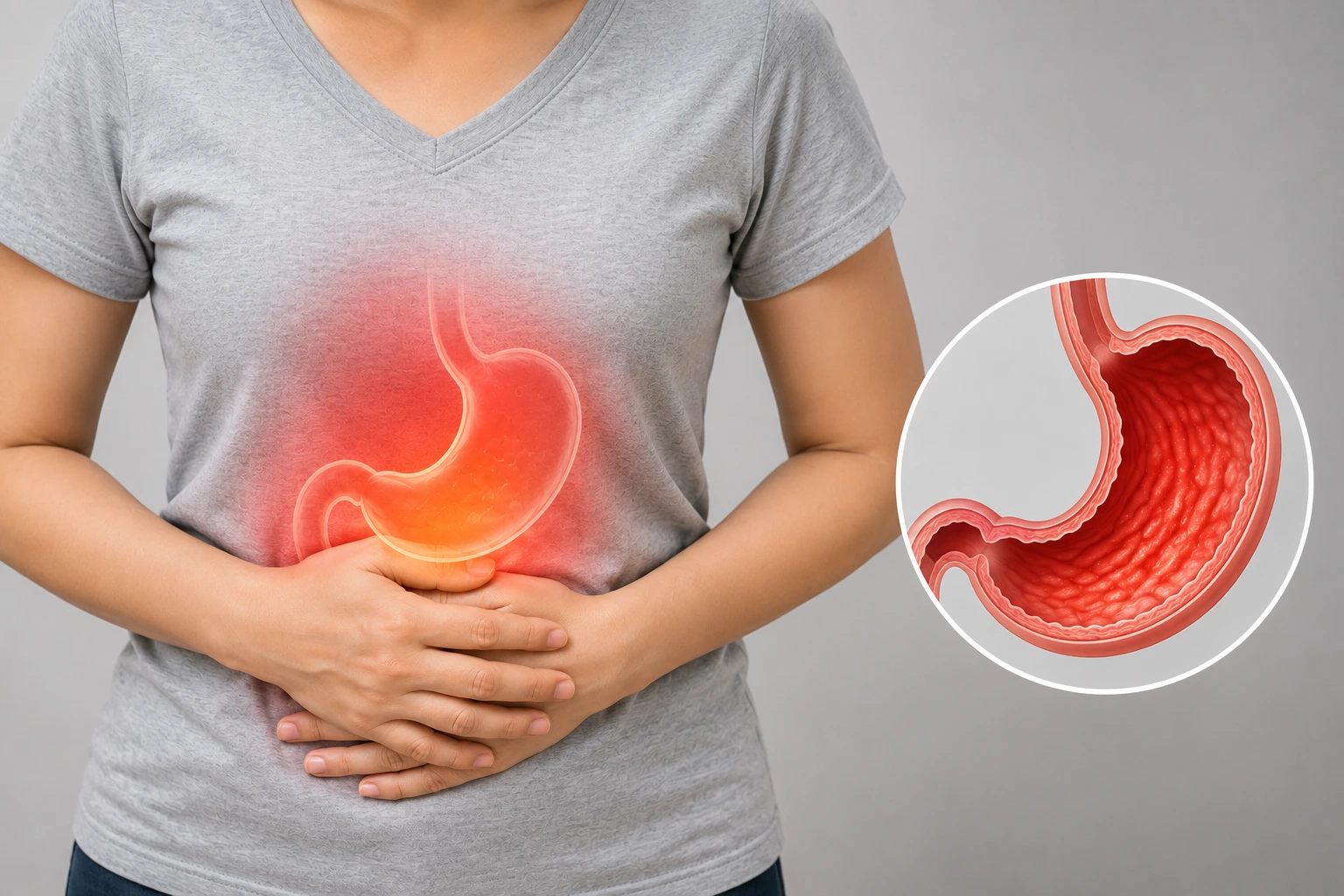
Gastritis is inflammation of the stomach lining. It may develop suddenly as acute gastritis or progress gradually as chronic gastritis. Some people experience upper-abdominal discomfort, nausea, vomiting, early fullness, reduced appetite or a burning sensation in the stomach, while others have few or no noticeable symptoms. Because similar complaints can occur with indigestion, acid reflux, peptic ulcer disease and other digestive conditions, symptoms alone cannot confirm gastritis.
At Sreerudra Ayurveda Multispecialty Hospital and Research Centre, Ayurvedic treatment for gastritis is planned after reviewing the patient’s symptoms, medical history, current medicines, digestive health, lifestyle, diet and Ayurvedic constitution. Depending on the clinical assessment, the care plan may include physician-prescribed Ayurvedic medicines, personalized dietary guidance, lifestyle recommendations, selected therapies and regular follow-up. Panchakarma is considered only when the treating physician finds it appropriate for the individual patient.
What Is Gastritis?
Gastritis is a general term for inflammation affecting the stomach lining. Gastropathy is a related condition in which the stomach lining is damaged, but little or no inflammation may be present.
Both gastritis and gastropathy can be acute, developing suddenly, or chronic, developing gradually and lasting for a longer period. Some forms are erosive and may lead to shallow breaks, ulcers or bleeding in the stomach lining, while others are non-erosive.
Many people with gastritis or gastropathy do not experience obvious symptoms. When symptoms are present, they may resemble indigestion. A professional assessment is therefore important before beginning gastritis treatment, particularly when symptoms persist, recur frequently or occur with warning signs.
Common Gastritis Symptoms
Gastritis symptoms may include discomfort or pain in the upper abdomen, nausea, vomiting, reduced appetite, feeling full soon after beginning a meal and feeling excessively full after eating. Some patients describe a gnawing, aching or burning sensation in the stomach that becomes better or worse after food.
Acute gastritis symptoms may begin suddenly, whereas chronic gastritis symptoms may be mild, intermittent or persistent. Stomach burning and upper-abdominal pain are not unique to gastritis, so recurring symptoms should be evaluated rather than self-diagnosed.
Symptoms such as vomiting blood, black stools, severe pain, persistent vomiting or unexplained weight loss require prompt medical evaluation.
Types of Gastritis and Gastropathy
Acute Gastritis
Acute gastritis develops suddenly and may be associated with an irritating medicine, excessive alcohol consumption, infection or severe physical illness. Acute erosive gastropathy may occur in people with critical illness, sepsis, serious burns or major injuries.
Everyday emotional stress may worsen digestive discomfort in some people, but it should not automatically be described as the direct cause of stress-related gastric injury.
Chronic Gastritis
Chronic gastritis develops gradually and may continue for months or years. Its management depends on the underlying cause. Chronic symptoms should not be treated repeatedly without reviewing the patient’s medicines, previous investigations and possible conditions such as H. pylori infection or autoimmune gastritis.
H. pylori Gastritis
Helicobacter pylori, commonly called H. pylori, is an important cause of chronic gastritis and peptic ulcer disease. A confirmed infection requires appropriate medical eradication treatment and follow-up testing.
Medication-Related or Reactive Gastropathy
Long-term exposure to nonsteroidal anti-inflammatory drugs, commonly called NSAIDs, may damage the stomach lining. Alcohol and bile reflux may also contribute to reactive gastropathy.
Patients should not stop prescribed pain medicines independently. Medicine adjustments should be discussed with the healthcare provider who prescribed them.
Autoimmune Gastritis
Autoimmune gastritis arises when the immune system assaults healthy cells in the stomach’s lining. It may affect the absorption of iron and vitamin B12 and can require additional medical evaluation and nutritional monitoring.
Common Gastritis Causes and Contributing Factors
The cause of gastritis varies between patients. Important causes include H. pylori infection, long-term NSAID use, alcohol-related irritation, bile reflux, autoimmune disease and acute injury associated with severe physical illness. Less common causes include certain infections, inflammatory diseases, chemotherapy, radiation treatment and food allergy.
Diet may influence a patient’s symptoms, but food is not considered an important cause of most cases of gastritis or gastropathy. Spicy, acidic, fried or fatty foods may worsen burning or discomfort in some individuals without being the underlying cause of stomach-lining inflammation. Dietary restrictions should therefore be personalized rather than applied to every patient.
How Is Gastritis Diagnosed?
Diagnosis begins with a review of the patient’s symptoms, medical history, medicine and supplement use, alcohol consumption, smoking history and previous digestive conditions.
Depending on the patient’s circumstances, a healthcare professional may recommend an H. pylori stool test, urea breath test, blood tests, upper gastrointestinal endoscopy or biopsy. Endoscopy examines the upper digestive tract, whereas a biopsy can identify inflammation, abnormalities in the stomach lining, or H. pylori.
Not every patient requires every investigation. The tests selected depend on age, symptom pattern, warning signs, medicine use, medical history and the suspected cause. Patients who already have endoscopy findings, biopsy results or H. pylori reports should bring them to the consultation.
Ayurvedic Perspective on Gastritis-Like Symptoms
During an Ayurvedic consultation, the physician may evaluate the patient’s Prakriti or constitution, digestive strength or Agni, appetite, bowel habits, meal patterns, sleep, stress, lifestyle and symptom pattern. These findings are considered when individualizing the treatment plan.
Some digestive symptom patterns may be discussed within the Ayurvedic framework of Amlapitta. However, Amlapitta should not be presented as an exact medical equivalent of every form of gastritis. The Central Council for Research in Ayurvedic Sciences has used Amlapitta in a research context associated with functional dyspepsia, which illustrates the importance of distinguishing the traditional Ayurvedic assessment from a biomedical gastritis diagnosis.
Sreerudra’s Ayurvedic Treatment Approach for Gastritis
Ayurvedic Treatment for Gastritis at Sreerudra Ayurveda begins with a comprehensive physician-led consultation. The physician reviews the patient’s symptoms, diagnosis, digestive health, medical history, current medicines and Ayurvedic constitution before preparing an individualized treatment plan.
Personalized Ayurvedic Consultation
The consultation reviews the patient’s symptoms, diagnosis, medical history, current medicines, diet, lifestyle and Ayurvedic constitution. Previous prescriptions, endoscopy findings and H. pylori reports should be brought when available.
Physician-Prescribed Ayurvedic Medicines
Ayurvedic medicines are selected according to the patient’s symptoms, digestive health, constitution and existing treatment. Medicines and dosages should only be used under the guidance of a qualified physician.
Personalized Diet and Meal Guidance
Dietary advice is tailored to the patient’s symptoms, nutritional requirements, and specific food triggers. Recommendations may include regular meal timings, suitable portion sizes, hydration and healthier eating habits.
Panchakarma and Selected Ayurvedic Therapies
Panchakarma is not required for every patient with gastritis. Selected therapies may be recommended only after evaluating the patient’s condition, medical history, strength and suitability.
Follow-Up and Monitoring
Follow-up consultations help assess stomach discomfort, appetite, nausea, medicine tolerance and overall progress. The treatment plan may be adjusted according to the patient’s response and changing healthcare needs.
Ayurvedic Treatment for Acute and Chronic Gastritis
Ayurvedic Treatment for Gastritis may vary depending on whether the condition is acute or chronic. The physician evaluates the underlying cause, symptom severity, medical history, current medicines and previous investigations before recommending an individualized treatment plan. Acute gastritis treatment depends on the suspected cause and severity. Recent medicine use, alcohol exposure, infection, repeated vomiting and possible signs of bleeding should be assessed. Ayurvedic care must not delay emergency treatment or necessary medical investigation.
Chronic gastritis treatment requires closer attention to the underlying cause. Previous investigations, current medicines, nutritional status and associated health conditions should be reviewed.
Ayurvedic treatment for chronic gastritis may include individualized medicines, diet and lifestyle guidance, selected therapies and follow-up. However, treatment duration and outcomes cannot be predicted before an assessment.
Important Information About H. pylori Gastritis
Doctors generally treat confirmed H. pylori gastritis with a combination of medicines that includes two or more antibiotics and an acid-suppressing medicine. Follow-up testing may be recommended at least four weeks after completing treatment to determine whether the infection has been eradicated.
Patients diagnosed with H. pylori should complete the treatment prescribed by their medical specialist. Ayurvedic supportive care should not replace antibiotics, acid-suppressing medicines or follow-up testing and should be coordinated with the patient’s existing medical care.
Natural Diet and Lifestyle Support for Gastritis
People searching for natural treatment for gastritis should first receive an appropriate diagnosis. Regular meal timings, adequate hydration, limiting alcohol, avoiding smoking and documenting individual symptom triggers may support digestive care.
There is no universal gastritis diet suitable for every patient. A food that worsens symptoms in one person may not affect another. People with weight loss, anemia, poor appetite or nutritional deficiencies may require additional medical or dietary assessment.
Patients who use NSAIDs regularly should discuss them with the prescribing clinician rather than stopping them independently.
Why Choose Sreerudra Ayurveda?
Sreerudra Ayurveda offers Ayurvedic Treatment for Gastritis through a personalized approach based on the patient’s symptoms, digestive health, medical history, current medicines, lifestyle and Ayurvedic constitution.
Our treatment approach may include physician-prescribed Ayurvedic medicines, personalized dietary counselling, lifestyle guidance, selected therapies and regular supervised follow-up.
Clear information about the reviewing physician’s qualifications, professional registration, medical review date, branch locations and verified hospital credentials helps patients make informed decisions without relying on broad claims such as “best treatment,” “permanent cure” or “completely safe.”
Book an Ayurvedic Consultation for Gastritis
If you are looking for Ayurvedic Treatment for Gastritis, a consultation can help identify the possible cause of recurring stomach burning, indigestion, nausea or upper-abdominal discomfort and guide you toward an individualized treatment plan.
At Sreerudra Ayurveda, treatment is personalized according to your symptoms, digestive health, medical history, diet and body constitution. Book a consultation at the Alappuzha or Thiruvananthapuram centre for individualized Ayurvedic care.
Frequently Asked Questions
Is Gastritis the Same as Acid Reflux?
No. Gastritis affects the stomach lining, while acid reflux involves stomach contents moving upward into the oesophagus. Some symptoms may overlap, so a professional assessment may be required.
Can Gastritis Be Diagnosed from Symptoms Alone?
No. Stomach burning, nausea and upper-abdominal discomfort can occur with several digestive conditions. Testing may be recommended depending on the patient’s history and warning signs.
Can Ayurveda Replace Antibiotics for H. pylori?
No. Confirmed H. pylori infection requires clinician-directed eradication treatment. Ayurvedic care should be supportive and coordinated with the prescribed medical treatment.
Is Panchakarma Necessary for Every Patient?
No. Panchakarma is considered only when the Ayurvedic physician determines that it is suitable after assessing the patient.
Can I Stop My Existing Gastritis Medicines?
Do not stop prescribed medicines without consulting the healthcare professional managing them. Bring a complete medicine list to the Ayurvedic consultation.
How Long Does Treatment Take?
There is no fixed duration. It depends on the diagnosis, underlying cause, symptom severity, associated conditions and individual response to treatment.