

Ayurvedic Treatment for Frozen Shoulder in Kerala
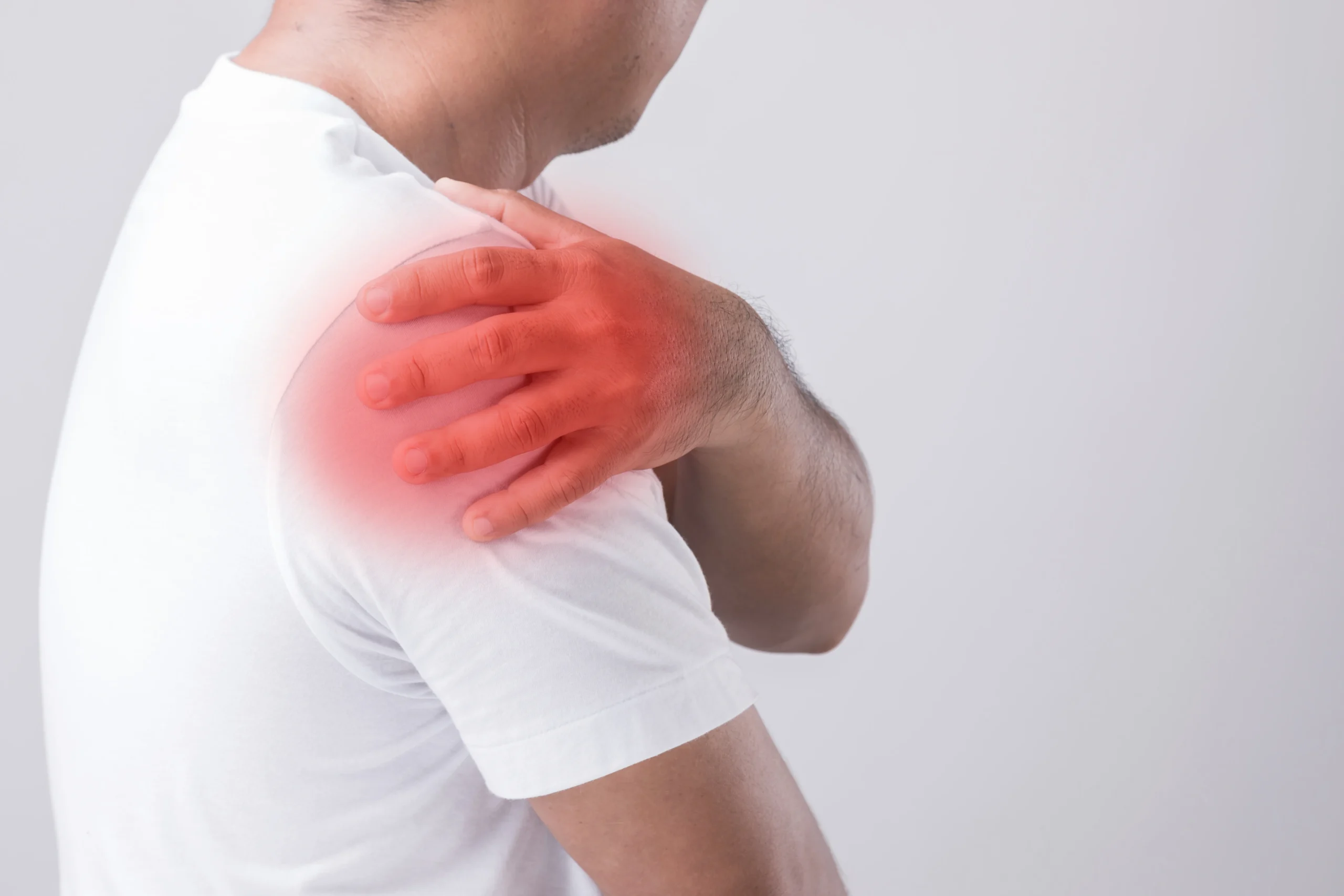
Frozen shoulder, also called adhesive capsulitis, is a shoulder condition associated with pain, stiffness and progressive difficulty moving the arm. Tasks such as reaching overhead, dressing, bathing, grooming or moving the hand behind the back may become uncomfortable or difficult. The condition commonly develops gradually, and the pattern of symptoms can change as the shoulder becomes increasingly stiff. Since shoulder pain and restricted movement may also occur with arthritis, rotator cuff disorders, injuries and other conditions, proper assessment is important before deciding on treatment.
At Sreerudra Ayurveda Multispeciality Hospital and Research Centre, Ayurvedic treatment for frozen shoulder is planned according to the individual’s symptoms, mobility, medical history, physical condition and overall health. Depending on the physician’s assessment, care may include Ayurvedic medicines, selected external therapies, rehabilitation support, appropriate Panchakarma, mobility exercises and lifestyle guidance.
What Is Frozen Shoulder?
Frozen shoulder is a condition in which pain and stiffness progressively limit movement around the shoulder joint. The restriction can affect both simple daily activities and movements that require the arm to be lifted, rotated or positioned behind the body.
The condition generally develops over time rather than appearing suddenly. Some people initially notice pain, followed by increasing difficulty moving the shoulder. As stiffness becomes more pronounced, activities that were previously routine may require greater effort.
Because several shoulder problems can produce similar symptoms, a diagnosis should not be based on pain alone. A healthcare professional can assess shoulder movement and consider other possible causes before treatment is planned.
Frozen Shoulder Symptoms
The most common frozen shoulder symptoms include discomfort, stiffness, and restricted shoulder motion. A person may find it increasingly difficult to raise the arm, rotate the shoulder or perform movements that require a normal range of motion.
Daily activities can become challenging, including putting on clothing, bathing, grooming, reaching for objects and moving the arm behind the back.
The severity of symptoms varies from one person to another. Progressive loss of movement is an important feature, but persistent shoulder pain does not automatically mean that the condition is frozen shoulder. Professional assessment can help distinguish it from other shoulder disorders.
Frozen Shoulder Causes and Risk Factors
The exact cause why frozen shoulder develops is not always clear. However, the syndrome may develop after the shoulder has been kept relatively motionless due to an accident, fracture, or surgery.
Certain health conditions are also associated with a greater likelihood of developing frozen shoulders. Diabetes and thyroid disorders are among the conditions commonly linked with the condition. It is also more frequently seen in people over 40, with women being affected more often.
Understanding these factors can help guide assessment, but the presence of a risk factor does not mean that a person will necessarily develop frozen shoulder.
Frozen Shoulder Stages
Frozen shoulder generally progresses through three broad stages. The experience and duration of each stage can vary considerably.
Freezing Stage
In the initial stage, pain gradually becomes more noticeable and shoulder movement starts becoming restricted. Increasing discomfort can make normal arm movements more difficult.
Frozen Stage
During the second stage, stiffness is often the dominant problem. Although pain may become less intense for some individuals, restricted mobility can continue to interfere with everyday activities.
Thawing Stage
The final stage is characterized by gradual improvement in shoulder movement. Mobility can progressively increase as the stiffness decreases.
The stages are useful for understanding the general pattern of frozen shoulder, but individual symptoms do not always follow an identical timeline.
Ayurvedic Perspective on Frozen Shoulder
Ayurveda approaches musculoskeletal conditions through an individualized assessment of the person and the condition. Along with examining pain and stiffness, an Ayurvedic physician may consider constitution or Prakriti, digestive function or Agni, physical strength, lifestyle, sleep, age, associated conditions and the progression of symptoms.
Restricted shoulder movement is historically defined in Ayurveda as Apabahuka. The Ayurvedic assessment is used to understand the patient’s individual presentation and to determine which therapies may be appropriate.
This traditional Ayurvedic interpretation should not be considered a substitute for evaluating other possible medical causes of shoulder pain and restricted movement.
Ayurvedic Treatment for Frozen Shoulder at Sreerudra Ayurveda
At Sreerudra Ayurveda, treatment planning begins with understanding the individual patient’s condition rather than automatically assigning the same therapy to every person.
The physician may consider the intensity of pain, degree of stiffness, shoulder mobility, duration of symptoms, previous injury or surgery, general health and associated medical conditions. The treatment plan can then be adapted according to these findings.
Personalized Ayurvedic Assessment
The initial consultation helps establish the patient’s symptom pattern and functional limitations. Previous medical records, relevant investigations and information about existing medicines can help provide a clearer picture of the patient’s health.
Ayurvedic Medicines
Depending on the assessment, the physician may prescribe classical Ayurvedic medicines as part of the overall treatment plan. The choice of medicine should be individualized, particularly when the patient has other medical conditions or is already taking prescribed medicines.
External Ayurvedic Therapies
Selected external therapy may be incorporated when deemed appropriate. The therapy, duration and intensity should depend on the patient’s physical condition, pain level, stiffness and stage of the problem.
Panchakarma When Appropriate
Panchakarma is not automatically required for everyone with frozen shoulder. It may be considered only after the physician evaluates the patient’s suitability, health status and treatment requirements.
Rehabilitation Support
Ayurvedic care can be combined with mobility-focused rehabilitation to address restricted movement and functional difficulties. The objective is progressive improvement rather than forcing a painful shoulder through excessive movement.
Frozen Shoulder Treatment: What Should the Approach Focus On?
A useful frozen shoulder treatment plan should consider both pain and movement. Simply reducing discomfort does not address the functional limitations caused by stiffness.
Treatment planning may therefore focus on maintaining or improving comfortable shoulder mobility, supporting everyday function and addressing relevant health factors.
Range-of-motion rehabilitation is commonly used in the management of frozen shoulder. At Sreerudra Ayurveda, the treatment approach can be individualized according to the patient’s symptoms, physical condition and response to care.
Frozen Shoulder Exercises
Frozen shoulder exercises can be useful for maintaining and gradually improving shoulder movement. However, the appropriate exercises depend on the person’s mobility, pain level and stage of the condition.
Gentle range-of-motion movements are commonly incorporated into rehabilitation. Exercises should be performed in a controlled manner and should not involve forcing the shoulder through severe or increasing pain.
Patients should ideally receive guidance on appropriate movement rather than copying an exercise routine intended for someone with a different stage or severity of frozen shoulder. At Sreerudra Ayurveda, mobility-focused rehabilitation can form part of an individualized treatment plan.
Is Frozen Shoulder Massage Recommended?
Frozen shoulder massage may be considered as one component of a broader treatment approach when appropriate for the patient.
Massage or other external therapies should be selected according to the individual’s symptoms, physical condition and treatment requirements. Forceful manipulation is not appropriate simply because the shoulder is stiff, particularly if it significantly increases pain.
At Sreerudra Ayurveda, external therapies are selected under physician guidance, with consideration given to the patient’s stage, mobility and tolerance.
Why Choose Sreerudra Ayurveda?
Sreerudra Ayurveda Multispeciality Hospital and Research Centre follows a physician-guided approach to Ayurvedic healthcare.
For frozen shoulders, the treatment approach can be tailored around the patient’s symptoms, mobility limitations, medical history and physical condition. Depending on individual requirements, care may involve Ayurvedic medicines, selected therapies, rehabilitation-oriented support, lifestyle guidance and Panchakarma when considered appropriate.
Book a Consultation for Frozen Shoulder
Shoulder stiffness that continues or progressively limits movement should not simply be managed with repeated home remedies. An assessment can help determine whether the symptoms are consistent with frozen shoulder or another shoulder condition.
At Sreerudra Ayurveda, the treatment approach is planned according to the patient’s individual condition and may incorporate Ayurvedic therapies, medicines, mobility support and lifestyle guidance where appropriate.
Frequently Asked Questions
What is the best treatment for frozen shoulders?
There is no single treatment that is appropriate for every patient. The approach depends on the stage of the condition, severity of pain and stiffness, mobility limitations, general health and individual treatment needs.
Can Ayurveda help with frozen shoulders?
Ayurvedic care may be considered as part of an individualized approach to shoulder stiffness and mobility limitations. Treatment should be planned after assessment by a qualified Ayurvedic physician.
Are exercises good for frozen shoulders?
Appropriate mobility exercises may support shoulder movement. The type and intensity should be adapted to the person’s pain, stiffness and functional ability rather than using forceful stretching.
Is massage good for frozen shoulders?
Massage or selected external therapies may be included when suitable. They should form part of an appropriate treatment plan rather than being used as a substitute for assessment and rehabilitation.
Can frozen shoulders affect daily activities?
Yes. Reduced shoulder mobility can make dressing, bathing, grooming, reaching and other routine arm movements more difficult. The degree of functional limitation varies between individuals.
Where can I get Ayurvedic treatment for frozen shoulders in Kerala?
Sreerudra Ayurveda provides physician-guided Ayurvedic care through its centres in Alappuzha and Thiruvananthapuram, Kerala. Treatment is planned individually following assessment.