

Ayurvedic Treatment for Arthritis offers a holistic approach to managing joint pain, stiffness, swelling, and reduced mobility caused by various forms of arthritis. This common joint condition can affect people of all ages and, if left untreated, may gradually interfere with daily activities and overall quality of life. Left unmanaged, it can gradually limit daily activities and quality of life but with the right care, symptoms can be managed effectively and joint health preserved long-term.
At Sreerudra Ayurveda, we provide personalized Ayurvedic treatment for arthritis using authentic Kerala Ayurvedic principles. Our experienced Ayurvedic physicians carefully assess each patient’s condition before developing an individualized treatment plan. Depending on the diagnosis and health condition, treatment may include Panchakarma therapies, herbal medicines, therapeutic massages, dietary guidance, and lifestyle modifications.
Rather than focusing only on symptom management, Ayurveda aims to identify the underlying imbalance within the body and restore overall wellness through a holistic approach. Our goal is to help improve joint function, enhance mobility, and support long-term musculoskeletal health with personalized care.
Arthritis is a condition that causes inflammation and damage to one or more joints, leading to pain, swelling, stiffness, and difficulty in movement. It is not a single disease but a group of joint disorders that can affect people of different age groups. The severity of arthritis varies from person to person, and symptoms may gradually worsen if not managed appropriately.
Several factors can contribute to arthritis, including ageing, autoimmune disorders, previous injuries, infections, genetics, obesity, and metabolic conditions. Early diagnosis and appropriate treatment play an important role in improving joint function and maintaining an active lifestyle.
According to Ayurveda, arthritis is commonly associated with an imbalance of Vata Dosha and the accumulation of Ama (metabolic toxins). Ayurvedic treatment focuses on restoring this balance through personalized therapies, detoxification, herbal medicines, and healthy lifestyle practices.
At Sreerudra Ayurveda, we provide personalized Ayurvedic care for various types of arthritis and joint-related conditions. Our treatment plans are customized according to the patient’s diagnosis, symptoms, body constitution, and overall health.
Rheumatoid Arthritis is an autoimmune condition in which the immune system attacks the lining of the joints, causing pain, swelling, stiffness, and inflammation. If not managed properly, it may gradually affect joint function and mobility. Our physicians develop individualized treatment plans to support joint health and improve daily functioning.
Osteoarthritis is a degenerative joint condition that develops due to the gradual breakdown of cartilage. It commonly affects the knees, hips, hands, and spine, resulting in pain, stiffness, and reduced flexibility. Personalized Ayurvedic treatment focuses on supporting joint function and improving mobility.
Ankylosing Spondylitis is a chronic inflammatory condition that primarily affects the spine and sacroiliac joints. It may cause persistent back pain, stiffness, and restricted movement. Our holistic treatment approach aims to improve flexibility, reduce discomfort, and support overall spinal health.
Gout is a form of inflammatory arthritis caused by the accumulation of uric acid crystals within the joints. It often leads to sudden episodes of severe pain, swelling, redness, and tenderness, particularly in the feet and ankles. Treatment is personalized to support healthy metabolism and long-term joint health.
Rheumatoid arthritis (RA), commonly known as arthritis, is an autoimmune illness resulting in chronic joint inflammation.It can also cause inflammation in the tissue around joints and other body organs, which is known as osteoarthritis. Autoimmune disorders are illnesses caused by the body’s immune system mistakenly attacking its tissues.
The immune system is a complicated system of cells and antibodies meant to seek out and remove foreign intruders in the body, especially infections. Antibodies in the blood of patients with autoimmune illnesses attack their body tissues, where they can cause inflammation. It is frequently referred to as rheumatoid disease since it can affect various body organs, including the heart and kidneys.
The Ayurveda Treatment for arthritis in Kerala is well known for its success rates. It is the best choice to treat a patient with arthritis. While rheumatoid arthritis is a chronic disease that can endure for years, people may go for long periods without experiencing symptoms. Rheumatoid arthritis, on the other hand, is typically a chronic disorder that can lead to joint deterioration and functional impairment.
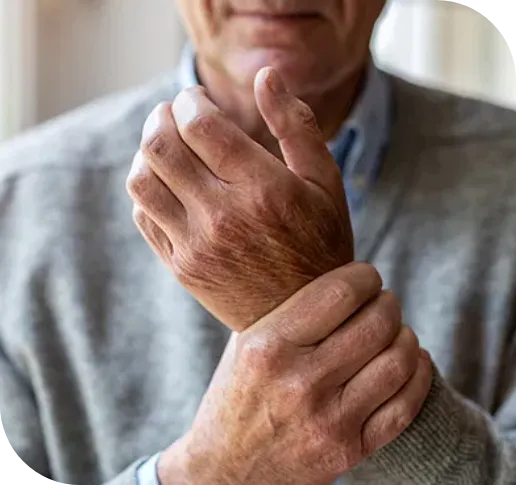
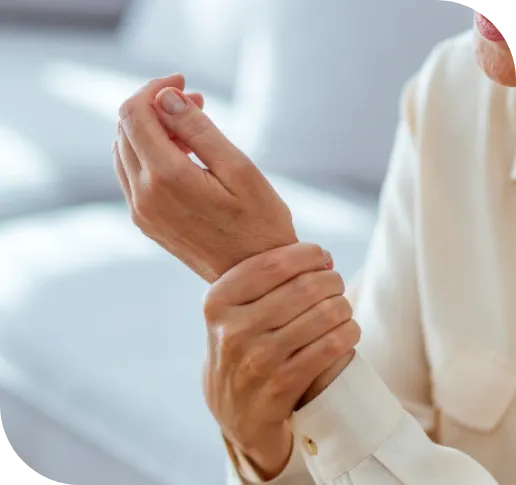
Rheumatoid arthritis can cause generalised inflammation in the lungs, pericardium (heart membrane), pleura (lung membranes), and sclera (eye white), as well as nodular lesions, which are most frequent in subcutaneous tissue. Autoimmunity plays a key role in the chronicity and progression of rheumatoid arthritis, even though the source is unknown. Chronic inflammation in rheumatoid arthritis patients causes cartilage, bone, and ligament damage, resulting in joint deformity. Joint damage can develop early in the disease and worsen with time. Furthermore, studies have revealed that the degree of pain, stiffness, or swelling in the joints does not always correlate with the progression of joint degeneration.
The signs and symptoms of arthritis can differ based on the specific type of arthritis and the severity of the condition. Recognizing the early signs can help you seek timely medical care and prevent further joint damage.
Common symptoms include:
Persistent joint pain
Swelling and tenderness around the joints
Morning stiffness
Reduced range of motion
Difficulty walking or climbing stairs
Warmth or redness around affected joints
Fatigue associated with inflammatory arthritis
Reduced flexibility and joint function
If you experience persistent joint pain or stiffness that affects your daily activities, consulting an experienced Ayurvedic physician can help determine the underlying cause and recommend a suitable treatment plan.
Rheumatoid arthritis usually inflames many joints in a symmetrical pattern. Mild joint soreness, stiffness, and fatigue are the most common early signs and symptoms. The wrists, fingers, knees, feet, and ankles are usually affected.
No test can conclusively determine whether or not you have RA. Most RA patients will have some aberrant test findings; however, others will have normal results on all tests.
It is the condition that occurs when the bone and cartilages undergo wear and tear. The causes of this condition involve bone spurs, dehydrated spinal disk, herniated disks, injury, etc. The risk factors include neck injuries, work-related activities, holding the neck in an uncomfortable position for longer periods, genetics, smoking, etc. The pain might increase while standing, sitting, sneezing, coughing, etc.
Arthritis can develop due to a combination of factors, depending on the type of joint condition. While ageing is one of the common causes, arthritis may also result from autoimmune disorders, previous joint injuries, infections, genetic factors, obesity, or repetitive stress on the joints. Identifying the underlying cause is important for developing an effective and personalized treatment plan.
Some common factors that may contribute to arthritis include:
Age-related wear and tear of joints
Autoimmune disorders
Previous joint injuries or trauma
Family history of arthritis
Obesity and excess pressure on joints
Repetitive physical activities
Metabolic disorders such as gout
Sedentary lifestyle and poor posture
Early diagnosis and timely treatment can help manage symptoms and support long-term joint health.
According to Ayurveda, arthritis is commonly associated with an imbalance of Vata Dosha and the accumulation of Ama (metabolic toxins). When digestion and metabolism are affected, Ama may accumulate in the body and settle in the joints, leading to pain, swelling, stiffness, and restricted movement.
At Sreerudra Ayurveda, our physicians focus on identifying the root cause of the condition rather than only managing the symptoms. Every patient undergoes a detailed consultation to assess their symptoms, medical history, body constitution (Prakriti), and lifestyle before creating a personalized treatment plan.
Depending on the individual’s condition, treatment may include Ayurvedic therapies, Panchakarma procedures, herbal medicines, dietary recommendations, and lifestyle modifications to support joint health and overall well-being.
Every individual experiences arthritis differently, which is why we believe in a personalized approach to care. Our experienced Ayurvedic physicians carefully evaluate each patient’s condition and develop a treatment plan based on the type of arthritis, severity of symptoms, and overall health.
Our treatment approach focuses on:
Managing joint pain and inflammation
Improving flexibility and range of motion
Supporting healthy joint function
Restoring dosha balance
Strengthening the musculoskeletal system
Promoting long-term joint health and overall wellness
Our physicians schedule regular follow-up consultations to evaluate your progress, review your response to treatment, and make adjustments whenever needed to support your ongoing care.
Ayurvedic treatment offers a holistic approach to arthritis care by addressing the underlying imbalance while supporting the body’s natural healing process. With a personalized treatment plan, patients may experience improvements in joint health, mobility, and overall quality of life.
Potential benefits of Ayurvedic treatment include:
Relief from joint pain and stiffness
Improved flexibility and mobility
Better joint function and movement
Support for healthy musculoskeletal function
Enhanced overall well-being
Personalized care based on individual health needs
Long-term support through diet and lifestyle guidance
The results of Ayurvedic treatment may vary depending on the type of arthritis, the severity of the condition, and the individual’s overall health and response to treatment.
Blood count
Joint x-rays
Erythrocyte sedimentation rate
Synovial fluid analysis
C-reactive protein
Test for rheumatoid factor
The antibody test for CCP
If rheumatoid arthritis worsens, it becomes the most difficult disease to treat in comparison to others. Hands, feet, ankles, elbow joints, and the low back, knee, and hip joints become inflamed and uncomfortable. The agony in the damaged joints is similar to the sting of a scorpion.” Thousands of years ago, Ayurveda provided a detailed account of the causative factors, pathophysiology, symptoms, therapeutic concepts, and diet and lifestyle adjustments for treating ‘Amavata.’
At Sreerudra Ayurveda, we follow a personalized approach to arthritis care, as every patient experiences the condition differently. After a detailed consultation, our Ayurvedic physicians recommend suitable therapies based on the type of arthritis, severity of symptoms, body constitution (Prakriti), and overall health. Our goal is to help manage joint pain, improve mobility, and support long-term joint health through authentic Kerala Ayurveda.
Panchakarma is one of the cornerstone treatments in Ayurveda that focuses on cleansing the body and restoring the balance of the doshas. Depending on the patient’s condition, our physicians may recommend specific Panchakarma procedures to help eliminate accumulated toxins (Ama), support healthy joint function, and promote overall well-being.
Abhyanga (Medicated Oil Massage)
Abhyanga is a therapeutic massage performed using warm medicated herbal oils. This therapy helps improve blood circulation, nourish the joints, reduce muscle stiffness, promote relaxation, and support better flexibility and mobility.
Elakizhi is a traditional Kerala Ayurvedic therapy that uses warm herbal leaves tied in a cotton pouch and gently applied to affected areas. It is commonly recommended to help reduce joint discomfort, improve circulation, relieve stiffness, and enhance flexibility.
Basti is an important Panchakarma therapy used in Ayurveda to help balance Vata Dosha, which is often associated with arthritis. When recommended by our physicians, this therapy supports the body’s natural healing process and promotes musculoskeletal health.
Based on the patient’s condition, our physicians may prescribe classical Ayurvedic herbal formulations to complement therapies. Our physicians prescribe herbal medicines based on each patient’s individual health condition, and they are administered under professional medical guidance as part of a personalized treatment plan.
Choosing the right Ayurvedic hospital is an important step in managing arthritis effectively. At Sreerudra Ayurveda, we combine authentic Kerala Ayurveda with personalized patient care to provide comprehensive treatment for various types of arthritis and joint disorders.
Our qualified Ayurvedic physicians conduct detailed consultations to understand each patient’s condition before recommending a personalized treatment plan.
Every patient receives an individualized treatment program based on their symptoms, body constitution, medical history, and treatment goals.
We follow traditional Ayurvedic principles and time-tested therapies while providing patient-focused care tailored to individual health needs.
Our approach combines Ayurvedic therapies, herbal medicines, dietary guidance, lifestyle recommendations, and regular follow-up consultations to support long-term joint health and overall wellness.
From the initial consultation to ongoing follow-up, we provide continuous guidance and personalized care to help patients manage arthritis and improve their quality of life.
Our experienced Ayurvedic physicians provide personalized care for a wide range of arthritis and joint-related conditions, including:
Rheumatoid Arthritis
Osteoarthritis
Ankylosing Spondylitis
Gout
Chronic Joint Pain
Joint Stiffness
Degenerative Joint Disorders
Inflammatory Joint Conditions
Every treatment plan is developed after a detailed evaluation to ensure it is tailored to the patient’s individual health condition and treatment requirements.
A healthy lifestyle plays an important role in supporting joint health alongside Ayurvedic treatment. At Sreerudra Ayurveda, our physicians provide personalized dietary and lifestyle recommendations based on each patient’s health condition, body constitution, and treatment goals. Following these recommendations can help support mobility, improve overall well-being, and complement your treatment plan.
Simple lifestyle changes can help maintain healthy joints and improve daily mobility. Our physicians may recommend:
Maintaining a healthy body weight
Practising regular stretching and gentle exercises
Following yoga under expert guidance
Getting adequate rest and quality sleep
Managing stress through relaxation techniques
Reducing long periods of inactivity and staying physically active through regular movement
A balanced diet supports overall health and complements Ayurvedic treatment. Based on your individual health condition, our physicians may recommend the following:
Fresh fruits and vegetables
Whole grains and warm home-cooked meals
Turmeric, ginger, garlic, and other Ayurvedic spices
Adequate water intake
Limiting processed foods, refined sugar, and deep-fried foods
Dietary recommendations are personalized to suit each patient’s individual health condition and treatment plan.
Early-onset disease with a dominant dosha in a young person can be treated with correct therapy and religious adherence to the dos and don’ts. When a condition becomes chronic, it affects several systems, incurable. If there are indicators of difficulties, it could pose a major threat to one’s life.
Langhanam is called (fasting).
Sodhana chikitsa is also known as the purification of the body.
Shamana chikitsa is known as the treatment for subsiding the symptoms.
Langhana (fasting) -This process is completed by either not eating food or giving green gram/rice/barley soups
Shodhana – Panchakarma therapy is used to accomplish this. Treatment is frequently lengthy, and several operations are carried out based on the patient’s health and attractiveness. Snehapanam, Vamanam, Manal kizhi, Virechanam, Podikizhi, Elakkizhi, Pizhichil, Vaitharana / Kshara Basti, Navarakizhi, and other therapies are employed to obtain the optimum results.
Shaman Chikitsa is accomplished by using very effective and time-tested Ayurvedic medicines such as kashaya and asavarista. Choorna, vati, taila, rasoushadi are included in the preparation.
The three doshas of Ayurveda are Vata (air), Pitta (fire), and Kapha (water) (water and earth). A dosha is a fundamental element, or energy, in the human body. Dietary recommendations for people with RA are comparable to those for those with amavata, an ayurvedic illness. Amavata is a joint illness that has symptoms that are similar to RA. Ayurveda suggests a diet that pacifies or balances Vata for amavata.
Lentils, dal, mung beans, miso, and tofu grains are examples of legumes. legumes: lentils, dal, mung beans, miso, and tofued grains: cooked oats, rice, and cream of wheat legumes: lentils, dal, mung beans, miso, and tofu.
To aid digestion and remove toxins, drink lukewarm water or water boiled with ginger root.
Vegetables that are green and leafy
Ginger, turmeric, and garlic are anti-inflammatory spices that help with digestion.
Buttermilk
Mild amounts of wild animal meat, old wine
Turmeric’s active element is curcumin. It helps to decrease cartilage damage by inhibiting the molecules that produce inflammation. It may provide relief by decreasing the body’s pain signals. Curcumin may decrease the course of osteoarthritis and relieve pain, according to 2016 animal research.
Ayurvedic medications and Panchakarma determined that they could cure or control RA without causing adverse effects. In contrast, non-steroidal anti-inflammatory pharmaceuticals and disease-modifying anti-rheumatic drugs induce side effects during treatment.
Ashwagandha may act as a pain reliever by preventing pain signals from being sent through the central nervous system. It’s also possible that it has anti-inflammatory qualities. As a result, some studies have found it useful in treating rheumatoid arthritis and other types of arthritis.
The duration varies depending on the type and stage of arthritis, overall health, and response to treatment. Some may notice changes in weeks, while others may require several months. Ayurveda focuses on gradual improvement through personalised therapies, diet, and lifestyle adjustments.
Ayurveda follows a holistic approach to arthritis management by addressing the underlying imbalance that may contribute to joint pain, stiffness, and inflammation. Treatment may include personalized therapies, Panchakarma procedures, herbal medicines, dietary guidance, and lifestyle modifications. The treatment plan is tailored to each patient’s condition, body constitution, and overall health.
At Sreerudra Ayurveda, we provide personalized Ayurvedic treatment for various types of arthritis, including Rheumatoid Arthritis, Osteoarthritis, Ankylosing Spondylitis, Gout, and other chronic joint disorders. Our physicians carefully evaluate each patient’s symptoms before recommending an appropriate treatment plan.
No. Panchakarma therapies are recommended only after a detailed consultation with our Ayurvedic physicians. Based on your diagnosis, medical history, and overall health, we determine whether Panchakarma is suitable and select the therapies that best support your treatment goals.
The duration of treatment depends on several factors, including the type of arthritis, the severity of symptoms, the patient’s overall health, and their response to treatment. After a comprehensive evaluation, our physicians will recommend a personalized treatment plan and discuss the expected treatment duration.
Yes. Every patient receives an individualized treatment plan after a detailed consultation and assessment. Our physicians consider your symptoms, medical history, body constitution (Prakriti), and lifestyle before developing a treatment program that best suits your health needs.
Yes. Diet is an important part of Ayurvedic care. Our physicians may recommend personalized dietary changes and healthy lifestyle practices that complement your treatment plan, support healthy digestion, and promote better joint health. Following these recommendations can contribute to the overall effectiveness of your treatment.
Don’t let arthritis limit your life any longer. Choose the Ayurvedic treatment for arthritis in Kerala that works, not just for short-term pain relief, but for long-term healing and wellness.
At Sreerudra Ayurveda Multispecialty Hospital and Research Center, our team is ready to help you regain control of your life with natural healing that aligns with your body and soul.
Call us today or book your appointment online to begin your healing journey.