

Ayurvedic Multiple Sclerosis Treatment in Kerala
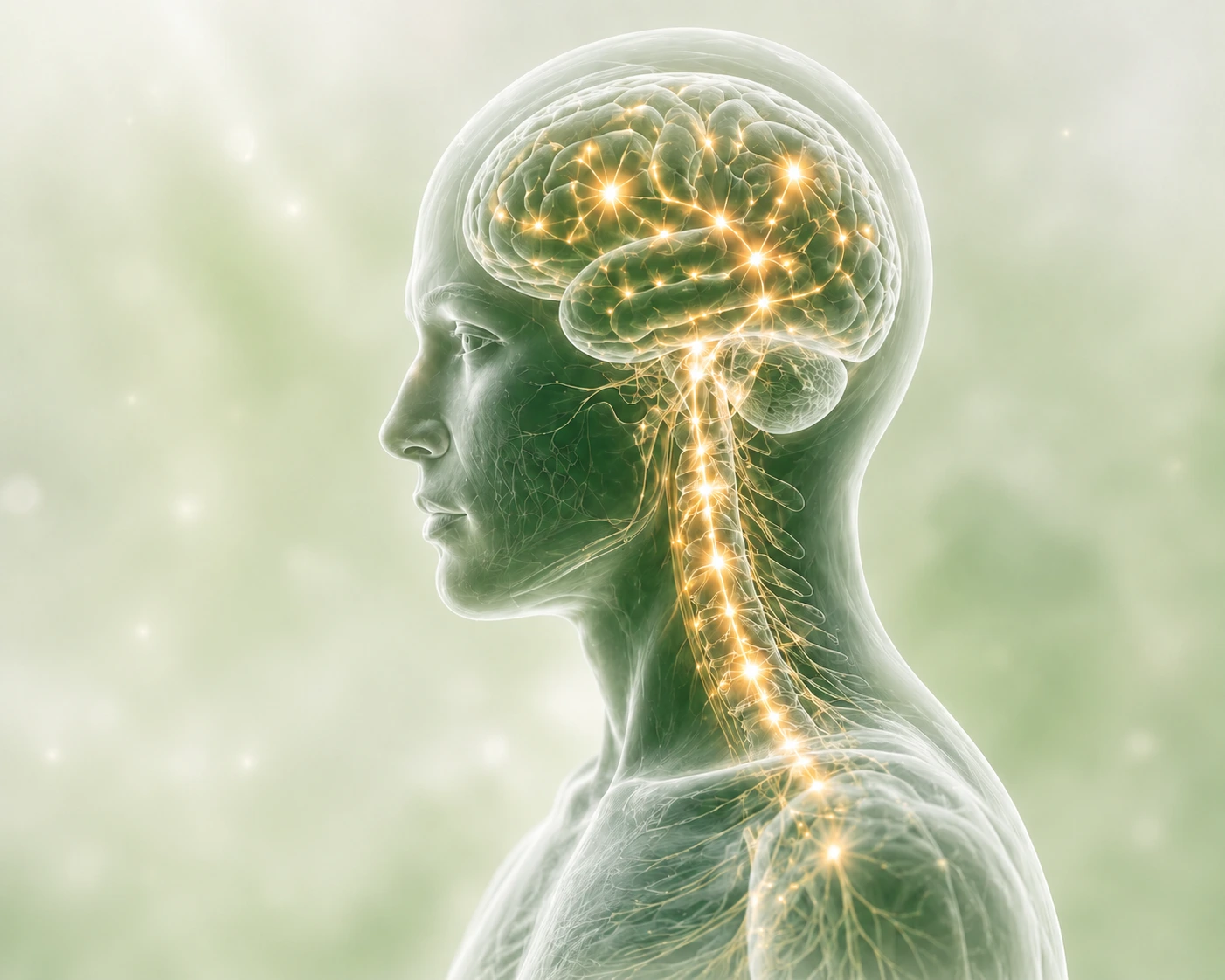
Multiple Sclerosis (MS) is a chronic neurological condition that affects the central nervous system, including the brain, spinal cord, and optic nerves. It occurs when the immune system mistakenly affects the protective covering of nerve fibres called myelin, leading to disruption in nerve signal communication. This may result in symptoms such as weakness, numbness, vision problems, balance difficulties, fatigue, and mobility challenges.
At Sreerudra Ayurveda, we provide a holistic approach for individuals seeking multiple sclerosis treatment in Ayurveda through personalised Ayurvedic therapies, lifestyle guidance, dietary recommendations, and supportive care programs. Our approach focuses on improving overall wellbeing, supporting nervous system health, managing symptoms, and enhancing quality of life with traditional Ayurvedic principles.
What is Multiple Sclerosis?
Myelin degeneration and inflammation impair brain-to-body communication in multiple sclerosis, an inflammatory neurological condition. Since the location and severity of nerve involvement vary from person to person, the symptoms and progression of MS can also differ widely.
In modern medicine, MS is considered a disease involving immune system dysfunction and nerve inflammation. From an Ayurvedic perspective, neurological conditions with symptoms similar to MS are often associated with disturbances in Vata dosha, which governs nervous system functions, movement, and coordination. Ayurveda focuses on restoring balance, nourishing tissues, and supporting the body’s natural healing mechanisms.
Multiple Sclerosis Causes
The exact reason behind multiple sclerosis is not completely understood. However, several factors may contribute to the development of MS, including immune system abnormalities, genetic tendency, and environmental influences.
The following are common factors linked to the causes of multiple sclerosis:
- Autoimmune responses affecting nerve tissues
- Genetic susceptibility
- Vitamin D deficiency
- Certain viral infections
- Environmental factors
- Lifestyle-related influences
Understanding the possible multiple sclerosis causes and symptoms can help in early identification and better management of the condition.
Multiple Sclerosis Symptoms
Depending on which parts of the neurological system are impacted, multiple sclerosis symptoms can differ. Some people experience occasional flare-ups, while others may have gradual progression of symptoms.
Common multiple sclerosis symptoms include:
- Muscle weakness and reduced strength
- Numbness or tingling sensations
- Vision problems such as blurred or double vision
- Difficulty maintaining balance and coordination
- Muscle stiffness and spasms
- Chronic fatigue
- Speech or swallowing difficulties
- Memory and concentration problems
- Bladder and bowel disturbances
- Walking difficulties
Early recognition of symptoms plays an important role in seeking timely medical guidance and supportive care.
Types of Multiple Sclerosis
Multiple sclerosis can develop in different patterns based on how symptoms appear and progress. The following are the main forms of multiple sclerosis:
Relapsing-Remitting Multiple Sclerosis (RRMS)
One of the most prevalent types of MS is this one. Patients experience episodes of worsening symptoms followed by periods of partial or complete recovery.
Primary Progressive Multiple Sclerosis (PPMS)
In this type, symptoms gradually worsen from the beginning without clear relapse and recovery periods.
Secondary Progressive Multiple Sclerosis (SPMS)
Some people with RRMS may later develop SPMS, where disability progression becomes more continuous.
Progressive-Relapsing Multiple Sclerosis
This involves continuous disease progression along with occasional relapses.
Different types of MS require personalised care depending on symptoms, disease stage, and individual health conditions.
Multiple Sclerosis Treatment in Ayurveda
Ayurveda provides a holistic approach to managing neurological health by focusing on balancing body functions, supporting nerve nourishment, and improving overall strength.
Multiple sclerosis treatment in Ayurveda at Sreerudra Ayurveda is planned after understanding the individual’s condition, symptoms, lifestyle, and disease progression.
The Ayurvedic approach may include:
Ayurvedic Therapies for Nervous System Support
Ayurvedic therapies are selected according to the patient’s health condition and may include:
- Abhyanga (Ayurvedic oil massage)
- Shirodhara therapy
- Panchakarma-based therapies when suitable
- Herbal support
- Rejuvenation therapies (Rasayana)
- Lifestyle modifications
These therapies aim to support relaxation, improve comfort, reduce stiffness, and promote better physical and mental wellbeing.
Diet and Lifestyle Management
A balanced diet and healthy lifestyle play an important role in supporting neurological wellness. Ayurvedic dietary recommendations may focus on:
- Easily digestible and nourishing foods
- Maintaining digestive health
- Reducing lifestyle-related stress
- Following proper sleep routines
- Practising yoga and breathing exercises
Individual recommendations are provided based on body constitution and health requirements.
Progressive Multiple Sclerosis Treatment Approach
Progressive multiple sclerosis requires continuous care and supportive management as symptoms may gradually increase over time. Since every individual’s condition is different, a personalized approach is important to address challenges such as mobility difficulties, fatigue, muscle stiffness, and changes in daily activities.
At Sreerudra Ayurveda, the approach towards progressive multiple sclerosis treatment focuses on supporting nervous system health, improving physical comfort, managing associated symptoms, enhancing strength and energy levels, and promoting emotional wellbeing. Through personalised Ayurvedic therapies, lifestyle support, and wellness guidance, we aim to provide comprehensive care based on each individual’s specific condition and requirements.
Every person’s journey with multiple sclerosis is unique, and treatment planning is developed after considering factors such as symptoms, health condition, and overall body balance to provide suitable supportive care.
Multiple Sclerosis Diagnosis
Multiple sclerosis cannot be confirmed by a single test. Doctors usually use a combination of medical history evaluation, neurological examination, MRI scans, blood tests, and other specialised investigations to identify MS and rule out similar conditions.
Proper multiple sclerosis diagnosis helps determine the type of MS, severity, and appropriate management approach.
Why Choose Sreerudra Ayurveda for Multiple Sclerosis Treatment in Kerala?
Sreerudra Ayurveda follows a traditional Ayurvedic approach combined with personalised patient care for individuals seeking support for multiple sclerosis. Our treatment philosophy focuses on understanding each person’s unique health condition, symptoms, lifestyle, and overall wellbeing before developing a suitable care plan. Through customised Ayurvedic therapies, lifestyle recommendations, and dietary guidance, we aim to support balance in the body and promote better quality of life.
At Sreerudra Ayurveda, we provide personalised Ayurvedic treatment plans designed according to individual health needs. Our experienced Ayurvedic practitioners follow traditional therapeutic approaches that focus on neurological wellness and overall health improvement. Along with therapies, we emphasise proper lifestyle modifications and dietary guidance to support long-term wellness. Our holistic approach aims to help individuals manage their condition naturally while improving comfort, strength, and daily functioning.
When Should You Consult a Doctor?
Early medical guidance is important when nervous system-related symptoms appear or continue for a longer period. Timely consultation helps with proper evaluation, diagnosis, and management of multiple sclerosis.
You should seek medical advice if you experience:
- Persistent numbness or tingling sensations in the body
- Unexplained weakness in arms or legs
- Sudden vision changes or blurred vision
- Difficulty with balance, walking, or coordination
- Repeated episodes of fatigue without a clear reason
- Muscle stiffness, spasms, or movement difficulties
- Problems with speech, swallowing, or bladder control
- Symptoms that appear, improve, and return again
At Sreerudra Ayurveda, individuals seeking multiple sclerosis treatment in Ayurveda receive personalised Ayurvedic guidance focused on supporting nervous system health and overall wellbeing.
Frequently Asked Questions
What is multiple sclerosis?
Multiple sclerosis is a chronic neurological condition affecting the central nervous system due to immune-related damage to myelin, which affects nerve communication.
Can Ayurveda help in multiple sclerosis treatment?
Ayurveda may provide supportive care through personalised therapies, lifestyle modifications, and wellness practices aimed at managing symptoms and improving quality of life. It should be considered along with appropriate medical guidance.
What are the common symptoms of multiple sclerosis?
Common symptoms include fatigue, weakness, numbness, vision issues, balance problems, muscle stiffness, and coordination difficulties.
Is there a permanent cure for multiple sclerosis?
Currently, MS is considered a chronic condition. Treatment focuses on managing symptoms, reducing progression risks, and improving quality of life through appropriate care approaches.
Where can I get multiple sclerosis treatment in Kerala?
Sreerudra Ayurveda offers personalised Ayurvedic support for individuals looking for a holistic approach to managing multiple sclerosis in Kerala.
What are the early signs of multiple sclerosis?
Early signs of multiple sclerosis may include numbness, weakness, vision problems, fatigue, balance issues, and coordination difficulties.
Can multiple sclerosis be managed with Ayurveda?
Ayurveda may support multiple sclerosis management through personalised therapies, lifestyle changes, and dietary guidance.
How is multiple sclerosis different from other neurological disorders?
Multiple sclerosis is an autoimmune condition that affects the central nervous system and disrupts nerve communication.
How long does multiple sclerosis treatment take to show improvement?
The treatment duration depends on the condition, symptoms, and individual response to supportive care.