
Introduction
A slightly elevated blood sugar level may not seem concerning, especially when you feel healthy and have no noticeable symptoms. However, prediabetes can be an early indication that your body is having difficulty regulating blood glucose effectively.
The encouraging news is that prediabetes does not inevitably progress to type 2 diabetes. Early identification, balanced nutrition, regular physical activity and appropriate medical guidance can help reduce the risk of developing diabetes.
But where does Ayurveda fit into this journey? Can Ayurveda support metabolic health and help manage prediabetes? Understanding the relationship between insulin resistance, lifestyle habits and traditional Ayurvedic concepts can help you make informed decisions about your long-term health.
Lorem ipsum dolor sit amet, consectetur adipiscing elit. Ut elit tellus, luctus nec ullamcorper mattis, pulvinar dapibus leo.
What Is Prediabetes?
Prediabetes occurs when blood sugar levels rise above normal but remain below the range used to diagnose diabetes. Prediabetes is often linked to insulin resistance, where cells become less responsive to insulin.
Insulin, produced by the pancreas, helps cells take in glucose from the bloodstream for energy. When cells become less sensitive to this hormone, the pancreas may compensate by releasing additional insulin to help regulate blood sugar. Over time, the body may struggle to compensate, allowing blood glucose to rise.
Prediabetes often develops without noticeable symptoms. A person may feel well while underlying metabolic changes are taking place, which makes appropriate screening and regular health assessments important.
Why Does Prediabetes Develop?
Prediabetes usually develops through a combination of metabolic, genetic and lifestyle-related factors rather than a single cause.
Several factors can increase the risk:
- Insulin resistance: Reduced sensitivity to insulin makes blood glucose regulation more difficult.
- Excess fat around the waist: A greater accumulation of abdominal fat is linked to reduced insulin sensitivity and a higher likelihood of metabolic health problems.
- Physical inactivity: Limited physical activity can affect the body’s ability to use glucose efficiently.
- Family history: Having a close relative with type 2 diabetes may increase the likelihood of developing the condition.
- Previous gestational diabetes: A history of diabetes during pregnancy can increase the risk of developing type 2 diabetes later.
- Lifestyle patterns: Dietary habits, sleep quality, physical activity and weight management can influence metabolic health.
Some risk factors cannot be changed, but addressing modifiable factors can help reduce the likelihood of progression. A healthcare professional can assess individual risk and recommend suitable preventive measures.
How Does Prediabetes Progress to Type 2 Diabetes?
Blood glucose levels may continue to rise when the body’s ability to manage glucose becomes less effective. Without appropriate preventive measures, some people with prediabetes develop type 2 diabetes. Family history, low levels of physical activity, excess body weight and everyday habits can all influence the likelihood of progression.
Healthy eating, regular exercise, suitable weight management and routine medical check-ups may help reduce the chance of developing type 2 diabetes.
Can Prediabetes Be Reversed?
Prediabetes can sometimes return to the normal blood glucose range through sustainable lifestyle changes. Eating a nutritious diet, incorporating movement into daily life and maintaining a suitable weight can support healthier blood sugar levels and help prevent or delay the onset of type 2 diabetes. However, continued healthy habits and regular monitoring remain important.
Can Ayurveda Reverse Prediabetes?
Within the Ayurvedic tradition, health is approached through an individual’s food choices, everyday routines, activity levels and overall wellbeing. In Ayurvedic terminology, Prameha refers to a group of conditions associated with urinary and metabolic disturbances, while Madhumeha describes a traditional condition associated with diabetes-like symptoms. These concepts are not direct equivalents of modern medical diagnoses.
Understanding Ayurveda and Metabolic Health
Since reduced insulin sensitivity is a key feature of prediabetes, an Ayurvedic consultation may explore a person’s eating patterns, activity levels and daily schedule. These discussions can help identify lifestyle habits to review alongside appropriate medical advice.
However, current scientific evidence is insufficient to establish that Ayurveda alone can reliably reverse prediabetes or prevent type 2 diabetes. Ayurvedic care should complement evidence-based medical guidance, blood glucose monitoring and recommended treatment.
How May Ayurvedic Lifestyle Principles Support Healthy Habits?
An Ayurvedic consultation considers each individual’s health concerns, dietary habits, lifestyle and overall wellness.
Dietary awareness: Reviewing food choices, eating patterns and portion sizes can help people develop more balanced and sustainable eating habits.
Daily routines: Consistent routines for meals, sleep and physical activity may make it easier to maintain healthy behaviours.
Movement and physical activity: Appropriate movement, including walking or other activities suited to an individual’s abilities, can support metabolic and cardiovascular health.
Stress management: Relaxation practices, meditation and suitable breathing exercises may support general wellbeing and help some people manage daily stress.
Individual assessment: Discussing medical history, current medicines, health goals and lifestyle habits with qualified healthcare professionals can help ensure that recommendations are appropriate.
These practices should complement recommended screening, blood glucose monitoring and medical treatment. They should not be presented as a guaranteed method of reversing prediabetes.
Lifestyle Changes That Help Reduce Diabetes Risk
Lifestyle management is an important part of reducing the risk of progression from prediabetes to type 2 diabetes. Long-term, manageable habits are often easier to follow than strict routines that are hard to sustain.
Follow a Balanced Diet
Include a variety of vegetables, legumes, whole grains and suitable protein sources in your meals. Limit frequent consumption of sugary drinks and foods high in added sugar.
Pay attention to portion sizes and overall meal balance. Carbohydrate-containing foods, including rice, do not automatically need to be eliminated. The appropriate type and quantity depend on individual needs and professional dietary guidance.
If you have prediabetes or another metabolic condition, a qualified healthcare professional or dietitian can help you develop a realistic eating plan.
Stay Physically Active
Regular physical activity helps the body use glucose more effectively and supports cardiovascular health.
Many adults can work towards at least 150 minutes of moderate-intensity physical activity per week, depending on their health and physical ability. Brisk walking may be a practical starting point for some people.
If you are currently inactive or have an existing health condition, begin gradually and seek professional guidance about suitable activities.
Maintain a Healthy Weight
For people with overweight or obesity, sustainable weight reduction may improve metabolic health and reduce the risk of developing type 2 diabetes.
Health goals differ between individuals. Prioritise achievable improvements in diet, physical activity and everyday habits instead of crash diets or quick weight-loss approaches.
Consult a qualified healthcare professional to understand whether weight management is appropriate for your health needs.
Prioritise Sleep and Stress Management
Consistent sleep routines and practical stress-management habits can support general wellbeing and make it easier to maintain healthy lifestyle choices.
Yoga, meditation and breathing exercises may be useful supportive practices for some people when adapted to their individual abilities. These approaches should be used alongside, not in place of, appropriate medical care.
Monitor Blood Glucose Regularly
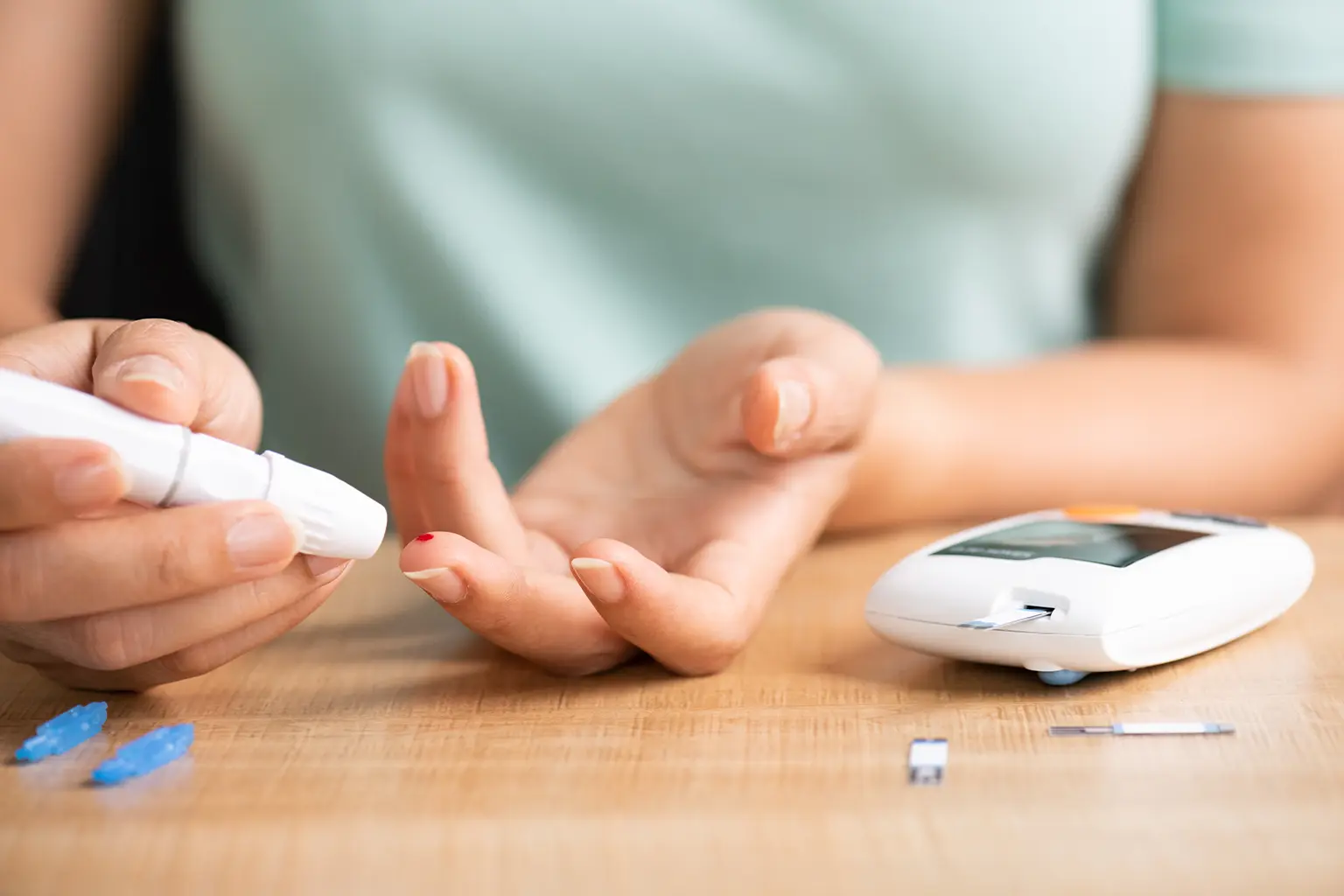
Lifestyle changes should be accompanied by appropriate follow-up testing. A healthcare professional can recommend when to repeat HbA1c or other blood glucose tests based on your results, health history and individual risk factors.
Monitoring helps you understand whether your management plan is working and whether additional medical intervention may be necessary.
Are Ayurvedic Medicines Safe for Prediabetes?
Ayurvedic medicines are not automatically safe for everyone. Some herbal preparations may affect blood glucose levels or interact with prescription medicines. Their suitability depends on the ingredients, quality and individual health conditions.
Consult your healthcare professionals before starting any Ayurvedic medicine or supplement. Do not stop or change prescribed medication without medical advice, and be cautious of products promising a permanent cure.
When Should You Seek Medical Advice?
Prediabetes often has no noticeable symptoms, making appropriate screening important for people at increased risk. Increased thirst, frequent urination, unexplained weight loss, persistent tiredness or blurred vision warrant medical assessment.
People diagnosed with diabetes need continued healthcare support and regular checks of their blood sugar levels. Any complementary Ayurvedic care should be coordinated with your healthcare team.
Ayurvedic Care at Sreerudra Ayurveda
Sreerudra Ayurveda Multi Speciality Hospital & Research Centre offers Ayurvedic healthcare services at its centres in Alappuzha and Trivandrum, Kerala.
Individuals interested in Ayurvedic care can discuss their dietary habits, daily routines and health history with a qualified practitioner. For people with prediabetes, any care plan should consider existing health conditions, current medicines and recommended medical monitoring.
Explore the hospital’s diabetes-related services for further information. Ayurvedic care should complement evidence-based medical guidance rather than replace it.
Conclusion
Having prediabetes does not mean that developing type 2 diabetes is unavoidable. Early identification, balanced nutrition, regular physical activity, suitable weight management and appropriate medical monitoring can help reduce the risk of progression.
Ayurveda offers a traditional framework for considering diet, daily routines and individual wellbeing. These principles may be explored as part of a complementary approach, but current evidence does not establish that Ayurveda alone can reliably reverse prediabetes.
If you have been diagnosed with prediabetes, begin by understanding your results and discussing a suitable management plan with qualified healthcare professionals. Sustainable lifestyle changes, regular follow-up and careful decisions about complementary treatments can help you take a more informed approach to long-term metabolic health.