

Ayurvedic Ankylosing Spondylitis Treatment in Kerala
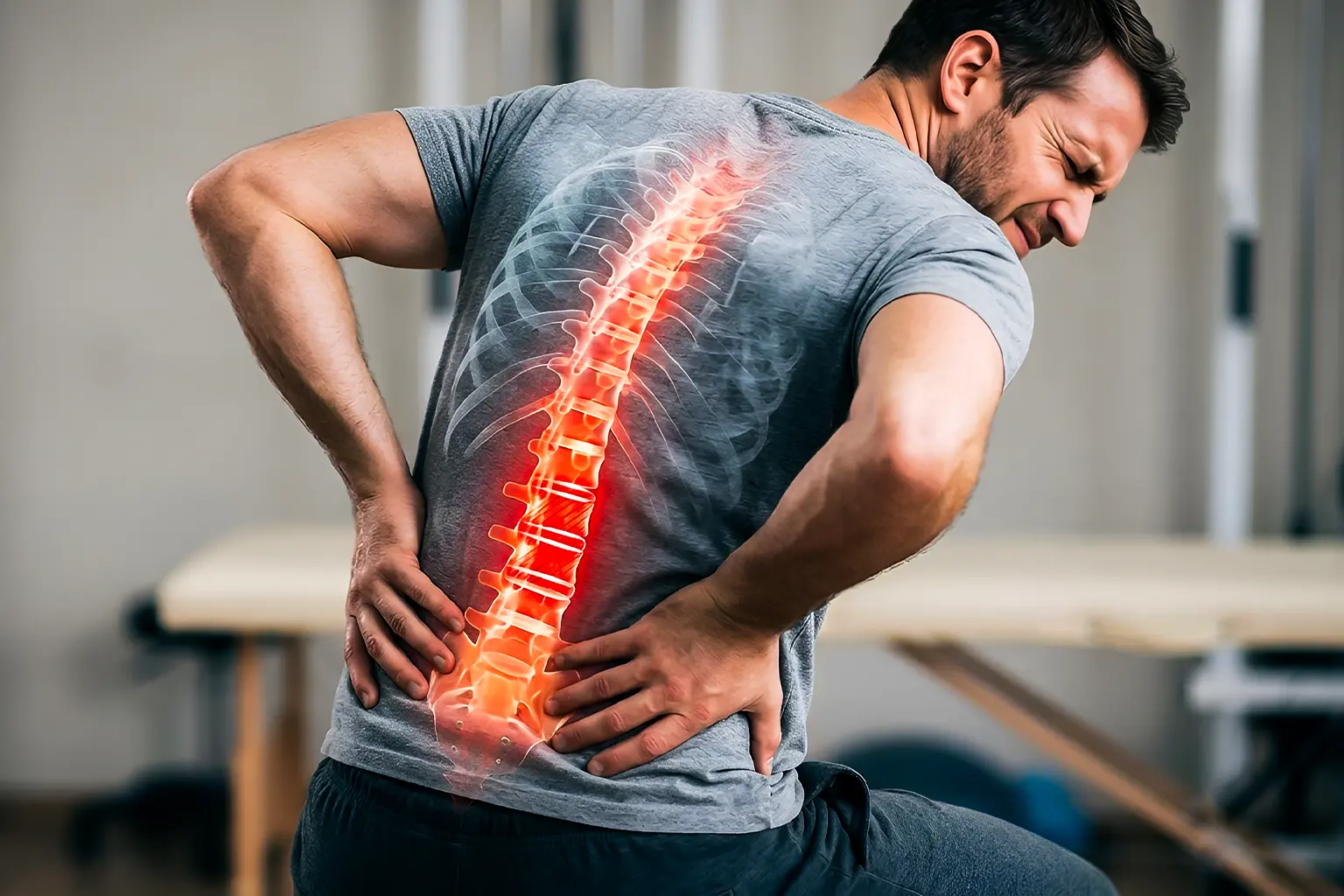
Ankylosing Spondylitis (AS) is a long-term inflammatory disorder that primarily involves the spine and the sacroiliac joints, where the spine meets the pelvis. It can cause ongoing lower back pain, stiffness, limited spinal flexibility, and discomfort that may become more noticeable after resting. Inflammation can also extend to other joints and parts of the body in some individuals.
At Sreerudra Ayurveda, we provide personalized Ayurvedic care for people experiencing ankylosing spondylitis based on their symptoms, mobility, disease history, digestive health, body constitution and overall condition. Depending on the individual assessment, the treatment plan may include Ayurvedic medicines, physician-supervised therapies, Panchakarma-based procedures when appropriate, physiotherapy or rehabilitation support, and diet and lifestyle guidance.
The objective is to support mobility, manage symptoms, improve functional comfort and promote overall wellbeing as part of an individualized long-term care plan.
What Is Ankylosing Spondylitis?
Ankylosing Spondylitis is an inflammatory form of arthritis that commonly affects the spine and sacroiliac joints. Inflammation in these areas may result in pain and stiffness, especially in the lower back and hip region. Unlike ordinary mechanical back pain, ankylosing spondylitis may cause stiffness that is worse after sleeping or prolonged rest and may improve somewhat with movement. Over time, persistent inflammation can affect spinal flexibility. The symptoms and severity of Ankylosing Spondylitis can differ significantly between individuals. Some people experience intermittent symptoms, while others may develop more persistent stiffness and reduced mobility.
Common Symptoms of Ankylosing Spondylitis
Symptoms can develop gradually and may differ depending on the stage and severity of inflammation.
Lower Back Pain and Stiffness
Persistent pain and stiffness around the lower back, buttocks or hips are common symptoms. Discomfort may be more noticeable in the morning or after prolonged periods of inactivity.
Reduced Spinal Mobility
Inflammation and stiffness may gradually make bending, twisting or other spinal movements more difficult.
Pain Around the Hips and Buttocks
When the sacroiliac joints become inflamed, discomfort may be felt around the buttocks, hips, or nearby areas.
Fatigue
Chronic inflammation may be associated with tiredness and reduced energy, particularly during periods when symptoms are more active.
Other Joint and Body Symptoms
Some people may experience discomfort in the shoulders, knees, ankles or other joints. Inflammation may also develop at the points where tendons and ligaments connect with bones.
Causes and Risk Factors
The precise underlying cause of Ankylosing Spondylitis has not yet been fully established. Genetic and immune-system factors are believed to play an important role. The HLA-B27 genetic marker is linked to a higher likelihood of developing Ankylosing Spondylitis. However, carrying HLA-B27 alone does not mean that someone will definitely develop the condition. Family history, certain immune responses and environmental factors may also contribute to disease development. Lifestyle factors do not directly cause ankylosing spondylitis, but physical inactivity, poor posture and inadequate mobility may make stiffness and functional limitations more difficult to manage.
How Is Ankylosing Spondylitis Diagnosed?
Ankylosing spondylitis requires proper medical evaluation because its symptoms can resemble other causes of chronic back pain.
A physician may assess the patient’s symptoms, duration of morning stiffness, movement limitations, family history and previous medical conditions. During a physical examination, a healthcare professional can assess spinal mobility and check for signs of involvement in other joints.
Depending on the clinical situation, investigations such as blood tests, X-rays or MRI may be recommended. These assessments can help identify inflammation and structural changes and distinguish ankylosing spondylitis from other spinal conditions.
A confirmed diagnosis should be established through appropriate medical evaluation before starting a long-term treatment plan.
Ankylosing Spondylitis in Ayurveda
Ayurveda does not describe modern ankylosing spondylitis as a direct one-to-one disease equivalent. However, its assessment of chronic musculoskeletal conditions may consider factors involving Vata, inflammation, tissues, digestion, lifestyle and functional movement. Ayurvedic evaluation may consider the individual’s Prakriti, current symptoms, digestive status, physical activity, sleep, diet and other health factors. From an Ayurvedic perspective, treatment is therefore individualized rather than based solely on the disease name. These traditional principles may be used to guide supportive care but should not replace modern diagnosis or medically indicated treatment.
Ayurvedic Treatment for Ankylosing Spondylitis
Ayurvedic treatment for ankylosing spondylitis is planned according to the individual’s symptoms, mobility, disease stage, treatment history and overall health. The treatment approach may include internal Ayurvedic medicines, external therapies, physician-supervised therapeutic procedures, mobility and rehabilitation support, dietary recommendations and lifestyle modifications. The main focus is to support comfortable movement, manage musculoskeletal symptoms, maintain physical function and improve overall quality of life. Because ankylosing spondylitis is a chronic inflammatory condition, treatment should be individualized and monitored rather than based on a fixed combination of medicines or therapies.
Ayurvedic Therapies for Ankylosing Spondylitis
Depending on the patient’s condition, the physician may consider selected Ayurvedic therapies as part of a personalized treatment plan.
Abhyanga
Abhyanga involves therapeutic oil application and massage. It may be considered to support relaxation, muscular comfort and mobility when clinically appropriate.
Swedana
Swedana refers to selected Ayurvedic fomentation or sudation procedures. Depending on the patient’s condition, it may be used to support muscular relaxation and reduce stiffness.
Panchakarma-Based Therapies
Certain Panchakarma procedures may be considered after individual assessment. The selected procedure, duration and intensity depend on the patient’s health, symptoms and suitability.
Panchakarma should not be treated as a universal protocol for ankylosing spondylitis. It should only be performed under qualified medical supervision.
Localized Ayurvedic Therapies
Certain localized therapies may be recommended for areas experiencing stiffness or discomfort. The exact procedure depends on the physician’s assessment.
Role of Ayurvedic Medicines
Ayurvedic medicines may form part of an individualized treatment plan depending on the patient’s symptoms and overall health. The choice of medicine, dosage and duration should be determined by a qualified Ayurvedic physician rather than by the disease name alone.
Patients should inform their physician about all prescription medicines, supplements and other treatments they are currently using. This helps reduce the possibility of unwanted interactions or inappropriate treatment combinations.
Physiotherapy and Mobility Support
Maintaining appropriate physical movement is an important part of managing ankylosing spondylitis. A suitable exercise or rehabilitation program may include posture work, spinal mobility exercises, stretching, strengthening and breathing exercises depending on the individual’s physical condition.
At Sreerudra Ayurveda, rehabilitation or physiotherapy support may be incorporated into the overall care plan when appropriate. Patients should avoid suddenly starting intense exercise during periods of significant pain or inflammation without professional guidance.
Diet Recommendations
There is no single Ayurvedic diet that can cure ankylosing spondylitis. However, a balanced diet can support general health and help maintain appropriate nutritional status. Patients may be encouraged to include adequate protein, vegetables, fruits, whole grains, healthy fats and sufficient fluids according to their individual dietary requirements. Highly processed foods and excessive intake of foods high in added sugar may be limited as part of general healthy eating. Dietary recommendations should also take into account digestive health, body weight, existing medical conditions and any food restrictions.
Lifestyle and Posture Recommendations
Daily habits can influence how easily a person manages stiffness and maintains mobility.
Patients may benefit from:
- Taking regular movement breaks instead of remaining in one position for long periods
- Following an appropriate stretching and mobility routine
- Maintaining good sitting and standing posture
- Ensuring sufficient sleep and following a regular sleep routine.
- Avoiding prolonged inactivity
- Following physician-recommended rehabilitation exercises
- Maintaining a healthy body weight
- Avoiding smoking
The appropriate level of physical activity depends on the individual’s symptoms and functional capacity.
Managing Ankylosing Spondylitis in Daily Life
Ankylosing spondylitis is generally a long-term condition, so ongoing management is often more important than short-term symptom relief. Regular movement, appropriate exercise, treatment adherence, medical monitoring and healthy daily habits can help patients manage functional limitations. Patients should also monitor changes in pain, stiffness, mobility and other symptoms and discuss significant changes with their healthcare provider.
Can Ayurveda and Modern Treatment Be Used Together?
Ayurvedic care and conventional medical treatment should not automatically be viewed as alternatives.
Some patients may use Ayurveda as supportive care alongside their existing medical management, provided the treating healthcare professionals are aware of all medicines and therapies being used. Patients should not discontinue prescribed anti-inflammatory medicines, biologic medicines or other medical treatments without consulting the doctor who prescribed them. A coordinated approach can help ensure that treatment decisions are based on the individual’s complete health situation.
When Should You Consult a Doctor?
Persistent lower back pain and morning stiffness should not automatically be assumed to be ankylosing spondylitis.
Consult a qualified physician if you experience:
- Persistent back pain beginning at a relatively young age
- Morning stiffness that repeatedly lasts for a significant period
- Back pain that improves with movement but worsens after rest
- Recurrent pain around the buttocks or hips
- Progressive loss of spinal mobility
- Persistent joint pain or swelling
- Unexplained fatigue associated with chronic musculoskeletal symptoms
Urgent medical assessment may be necessary for severe neurological symptoms, sudden loss of bladder or bowel control, significant weakness or other rapidly developing symptoms.
Why Choose Sreerudra Ayurveda?
Sreerudra Ayurveda approaches ankylosing spondylitis care through individualized assessment rather than applying the same treatment protocol to every patient.
The treatment plan may consider the patient’s symptoms, mobility, disease history, Prakriti, digestive health, lifestyle and previous treatment response. Depending on clinical suitability, the care plan may include Ayurvedic medicines, selected therapies, Panchakarma-based procedures, rehabilitation support, diet guidance and lifestyle counselling.
The focus is on supporting mobility, managing symptoms and improving day-to-day functional wellbeing while recognizing the chronic nature of ankylosing spondylitis.
Where specialist medical evaluation, imaging, rheumatology care or other conventional medical intervention is required, appropriate medical consultation or referral should be advised.
Frequently Asked Questions
Can Ayurveda Treat Ankylosing Spondylitis?
Ayurvedic treatment may provide supportive care for symptoms such as stiffness, muscular discomfort and restricted mobility. Ankylosing spondylitis is a chronic inflammatory condition, so treatment should be individualized and medically monitored rather than presented as a guaranteed cure.
What Ayurvedic Therapies May Be Used for Ankylosing Spondylitis?
Depending on the patient’s condition, therapies such as Abhyanga, selected Swedana procedures, localized therapies or Panchakarma-based treatments may be considered. The appropriate therapy is determined after individual assessment.
Can Panchakarma Help With Ankylosing Spondylitis?
Panchakarma procedures may be considered as part of supportive Ayurvedic care for selected patients. Suitability depends on the individual’s health, symptoms and treatment requirements, and it should be performed under qualified medical supervision.
Is Exercise Recommended for Ankylosing Spondylitis?
Appropriate movement and exercise are generally important for maintaining mobility and physical function. A suitable program may include stretching, posture, mobility and strengthening exercises based on the individual’s condition.
Can Ankylosing Spondylitis Be Cured Completely?
Ankylosing spondylitis is a chronic inflammatory condition, and there is currently no basis for promising that Ayurvedic treatment can permanently cure it. Long-term management focuses on controlling symptoms, maintaining mobility and supporting quality of life.