
Introduction
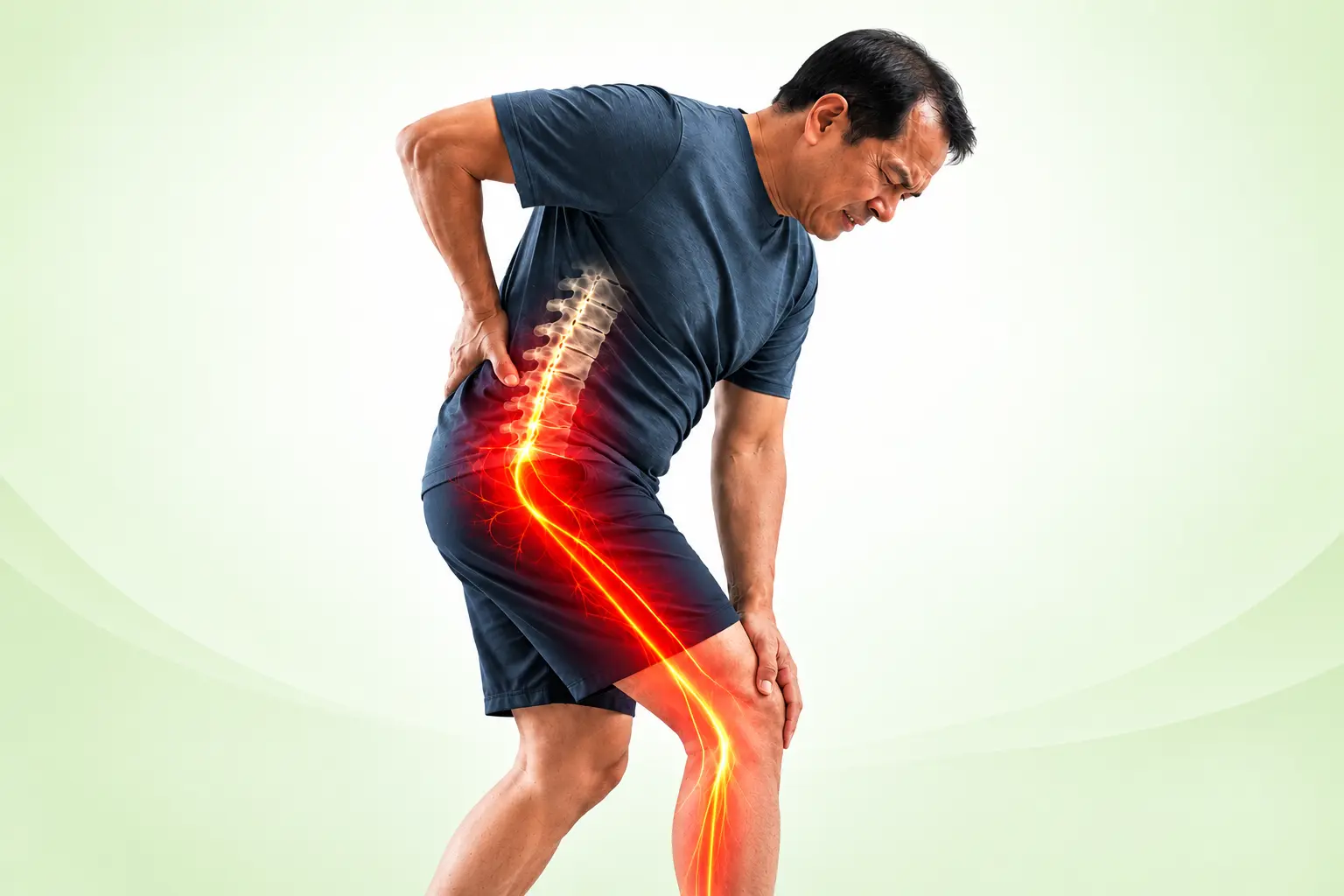
Sciatica is a common condition that causes pain along the path of the sciatic nerve, which runs from the lower back through the hips and down each leg. Many individuals experience symptoms such as lower back discomfort, leg pain, numbness, tingling sensations, and difficulty with movement.
Sciatica can affect daily activities and overall quality of life, especially when the discomfort becomes persistent. Understanding the causes, symptoms, and available approaches can help individuals take better care of their spine and nerve health.
Ayurveda focuses on maintaining balance within the body through personalized care, lifestyle modifications, dietary practices, and traditional therapies that support overall wellness.
What Is Sciatica?
Sciatica refers to pain that occurs when the sciatic nerve becomes irritated, compressed, or affected due to various factors. Since the sciatic nerve is the longest nerve in the human body, any pressure or inflammation along its pathway may lead to discomfort that extends from the lower back to the legs.
Common factors that may contribute to sciatica include:
- Herniated or slipped discs
- Age-related changes in the spine
- Muscle tightness or stiffness
- Poor posture and prolonged sitting
- Spinal injuries or strain
- Reduced flexibility and mobility
Understanding the underlying factors can help individuals follow suitable approaches for managing sciatic discomfort.
Common Symptoms of Sciatica
People experiencing sciatica may notice symptoms that affect the lower back, hips, and legs. Common symptoms include:
- Pain that radiates from the lower back to the legs
- Tingling or numbness sensations
- Burning or sharp nerve discomfort
- Weakness in the affected leg
- Difficulty sitting or standing for long periods
- Reduced movement and flexibility
The intensity of symptoms may vary depending on the underlying cause and individual health conditions.
Why Does Sciatica Pain Occur?
Several lifestyle and physical factors may contribute to sciatic nerve discomfort. Some common causes include:
- Long hours of sitting
- Incorrect sitting posture
- Lack of physical activity
- Excessive strain on the back
- Muscle imbalance
- Improper lifting techniques
Maintaining proper posture, regular movement, and healthy daily habits can help support better spinal health.
The Ayurvedic Perspective on Sciatica
According to Ayurveda, conditions affecting the nerves, joints, and spine are often associated with an imbalance in the body’s natural energies, especially Vata dosha.
When Vata becomes aggravated, it may influence the body’s movement, flexibility, and nerve-related functions, which can contribute to stiffness, discomfort, and restricted mobility.
Ayurveda focuses on supporting balance through personalized approaches that may include:
- Ayurvedic therapies
- Diet and lifestyle modifications
- Relaxation practices
- Traditional herbal support
- Body-balancing techniques
The approach is designed according to an individual’s unique health needs and overall condition.
Ayurvedic Therapies for Supporting Sciatica Management
Ayurveda includes various traditional therapies that focus on supporting spinal wellness and reducing discomfort. Some commonly used Ayurvedic approaches include:
Kati Basti
Kati Basti is a traditional Ayurvedic therapy where warm herbal oil is retained over the lower back region. It is commonly used to support relaxation and comfort in the back area.
Abhyanga (Ayurvedic Oil Massage)
Abhyanga involves the application of warm herbal oils through gentle massage techniques. It may help support relaxation, flexibility, and overall body wellness.
Swedana (Herbal Steam Therapy)
Swedana is a traditional therapy that uses herbal steam to support relaxation of muscles and improve comfort.
Panchakarma-Based Approaches
Personalized Panchakarma therapies may be recommended in Ayurveda to support overall balance and wellness depending on an individual’s health condition.
Lifestyle Tips to Support Sciatic Nerve Health
Along with Ayurvedic care, healthy daily habits can support better spine and nerve wellness.
Helpful practices include:
- Maintaining correct sitting posture
- Avoiding prolonged sitting periods
- Practicing gentle stretching exercises
- Maintaining a healthy body weight
- Following a balanced diet
- Getting proper rest and sleep
- Staying physically active according to comfort level
Small lifestyle changes can contribute to better mobility and overall well-being.
Foods and Habits That Support Joint and Nerve Wellness
A balanced diet plays an important role in maintaining overall health. Individuals may focus on:
- Fresh and nourishing foods
- Adequate hydration
- Balanced meals with essential nutrients
- Avoiding excessive processed foods
- Maintaining regular eating patterns
Healthy dietary habits can support the body’s natural balance and energy levels.
When Should You Seek Professional Guidance?
Persistent or recurring back and leg discomfort should not be ignored. Individuals experiencing continuous pain, numbness, weakness, or difficulty with daily activities should consider consulting a qualified healthcare professional.
An Ayurvedic expert can provide personalized guidance based on individual health conditions, lifestyle factors, and wellness goals.
Why Choose SREERUDRA AYURVEDA for Sciatica Care?
Sreerudra ayurveda follows a physician-guided approach to Ayurvedic treatment. Rather than applying the same procedure to every patient, treatment is planned according to individual requirements.
The patient’s symptoms, constitution, digestive strength, lifestyle, physical condition, and recovery needs may be considered during assessment.
Where appropriate, Ayurvedic therapies, medicines, diet guidance, lifestyle recommendations, and follow-up care can be combined into a personalized treatment plan.
The focus is not only on the location of pain but also on the individual’s overall condition and ability to return to comfortable daily activity.
Conclusion
Sciatica can affect mobility, comfort, and daily activities, but understanding its causes and symptoms can help individuals take proactive steps toward better spinal health.
Ayurveda focuses on a holistic approach that includes personalized therapies, lifestyle improvements, dietary practices, and traditional wellness methods to support overall balance and comfort.
For individuals looking for natural approaches to support their spine and nerve health, exploring Ayurvedic treatment for sciatica can provide valuable insights into personalized care and long-term wellness management.