

Introduction
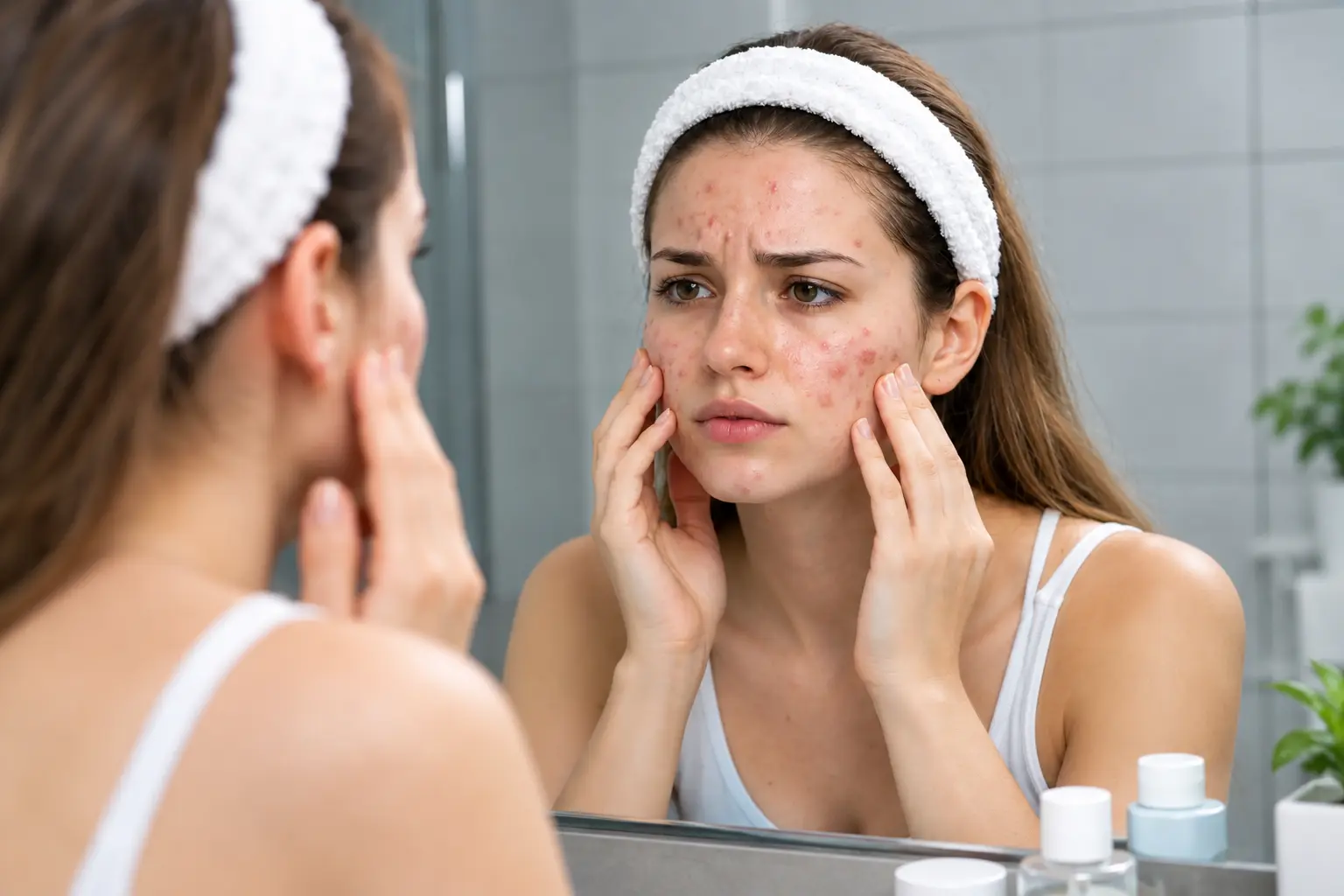
Acne is one of the most common skin concerns affecting teenagers and adults. It can appear as pimples, blackheads, whiteheads, redness, inflammation, or acne marks, often affecting both skin health and confidence.
While acne is usually considered a skin condition, its causes are not always limited to the outer layer of the skin. Factors such as hormonal changes, digestion, stress, lifestyle habits, diet, and skincare practices can influence the condition.
Many people try different skincare products for temporary relief but experience repeated breakouts because the underlying factors are not addressed.
Ayurveda follows a holistic approach that focuses on understanding the individual’s body balance, lifestyle patterns, dietary habits, and skin needs. Through personalised care, natural therapies, and healthy lifestyle modifications, Ayurveda aims to support long-term skin wellness.
What Is Acne?
Acne is a skin condition that occurs when hair follicles become blocked with excess oil, dead skin cells, and impurities. This blockage may lead to inflammation and the formation of different types of acne.
Common types of acne include:
- Whiteheads and blackheads
- Small pimples and bumps
- Red and inflamed acne
- Deep or painful breakouts
- Acne scars and pigmentation
Acne commonly appears on areas such as:
- Face
- Forehead
- Cheeks
- Chin and jawline
- Back and shoulders
The severity of acne can vary from person to person depending on skin type, lifestyle, and internal health factors.
Common Causes Behind Acne
Several factors may contribute to acne development. Understanding these triggers can help in choosing a suitable approach for managing skin health.
Hormonal Changes
Hormonal fluctuations are one of the common reasons behind acne, especially during teenage years, menstrual cycles, stress periods, and other hormonal changes.
These changes can increase oil production in the skin and contribute to blocked pores and breakouts.
Poor Digestive Health
According to Ayurveda, digestion plays an important role in overall wellness. Irregular eating habits, poor digestion, constipation, and unhealthy food choices may affect the body’s natural balance and reflect on skin health.
Stress and Lack of Sleep
Stress has a significant impact on the body. Increased stress levels and irregular sleep patterns may disturb internal balance and contribute to frequent acne flare-ups.
Unhealthy Diet and Lifestyle
Excess consumption of processed foods, sugary foods, oily foods, and irregular meal timings may influence skin health.
A balanced diet with fresh, nourishing foods can support overall wellness and healthy-looking skin.
Incorrect Skincare Practices
Using harsh products, excessive face washing, frequent scrubbing, or applying unsuitable cosmetics may irritate the skin and worsen sensitivity.
The Ayurvedic Perspective on Acne
According to Ayurveda, skin health is closely connected with the balance of the body’s natural energies, known as Doshas — Vata, Pitta, and Kapha.
Acne is often associated with an imbalance, especially involving Pitta and Kapha doshas.
Pitta Dosha
Pitta is associated with heat and metabolism. When aggravated, it may contribute to:
- Skin redness
- Inflammation
- Sensitivity
- Increased irritation
Kapha Dosha
Kapha is associated with oiliness and structure. An imbalance may contribute to:
- Excess oil production
- Blocked pores
- Slower skin recovery
Ayurveda focuses on restoring balance through personalised lifestyle practices, dietary support, and natural skincare approaches.
Ayurvedic Approach for Supporting Acne Management
Ayurvedic acne care focuses on improving skin health naturally by addressing internal and external factors.
Personalised Ayurvedic Consultation
Every individual’s skin condition is different. An Ayurvedic assessment considers:
- Skin type
- Lifestyle habits
- Diet patterns
- Digestion
- Overall health condition
Based on individual needs, suitable wellness recommendations can be suggested.
Traditional Ayurvedic Support for Skin Health
Ayurveda traditionally uses various natural ingredients that are valued for supporting healthy skin.
Neem
Neem is traditionally used in Ayurvedic skincare for its cleansing and skin-supporting properties.
Turmeric
Turmeric is commonly used in traditional practices for maintaining healthy skin.
Aloe Vera
Aloe vera is known for its soothing and hydrating properties.
Amla
Amla is valued in Ayurveda for its nutritional and antioxidant properties.
Lifestyle Tips for Healthy Skin
Along with Ayurvedic care, maintaining healthy daily habits can support better skin wellness.
Helpful practices include:
- Following a balanced diet
- Drinking adequate water
- Maintaining proper sleep patterns
- Managing stress through yoga or meditation
- Exercising regularly
- Keeping a consistent skincare routine
- Avoiding touching or squeezing pimples
Small lifestyle changes can create a positive impact on overall skin health.
Foods and Habits That Support Skin Wellness
A nourishing diet can help support healthy skin from within.
Include:
- Fresh fruits and vegetables
- Fibre-rich foods
- Balanced meals
- Adequate hydration
- Nutrient-rich natural foods
Limit:
- Excess processed foods
- High sugar intake
- Frequent oily foods
- Irregular eating patterns
Healthy digestion and balanced nutrition are important parts of maintaining overall wellness.
When Should You Seek Professional Guidance?
Professional guidance may be helpful when:
- Acne continues for a long time
- Breakouts frequently return
- Acne causes pain or inflammation
- Acne leaves scars or marks
- Skin becomes highly sensitive
An Ayurvedic expert can understand individual factors and provide personalised recommendations based on skin condition and lifestyle.
Conclusion
Acne is influenced by various factors including hormones, lifestyle, diet, stress, digestion, and skincare habits. Managing acne effectively requires more than addressing visible symptoms; understanding the underlying causes is equally important.
Ayurveda offers a holistic approach that focuses on maintaining body balance, supporting healthy skin function, and encouraging positive lifestyle changes.
With personalized Ayurvedic guidance, natural skincare practices, and healthy daily habits, individuals can work towards achieving balanced, healthier-looking skin naturally.