
Introduction
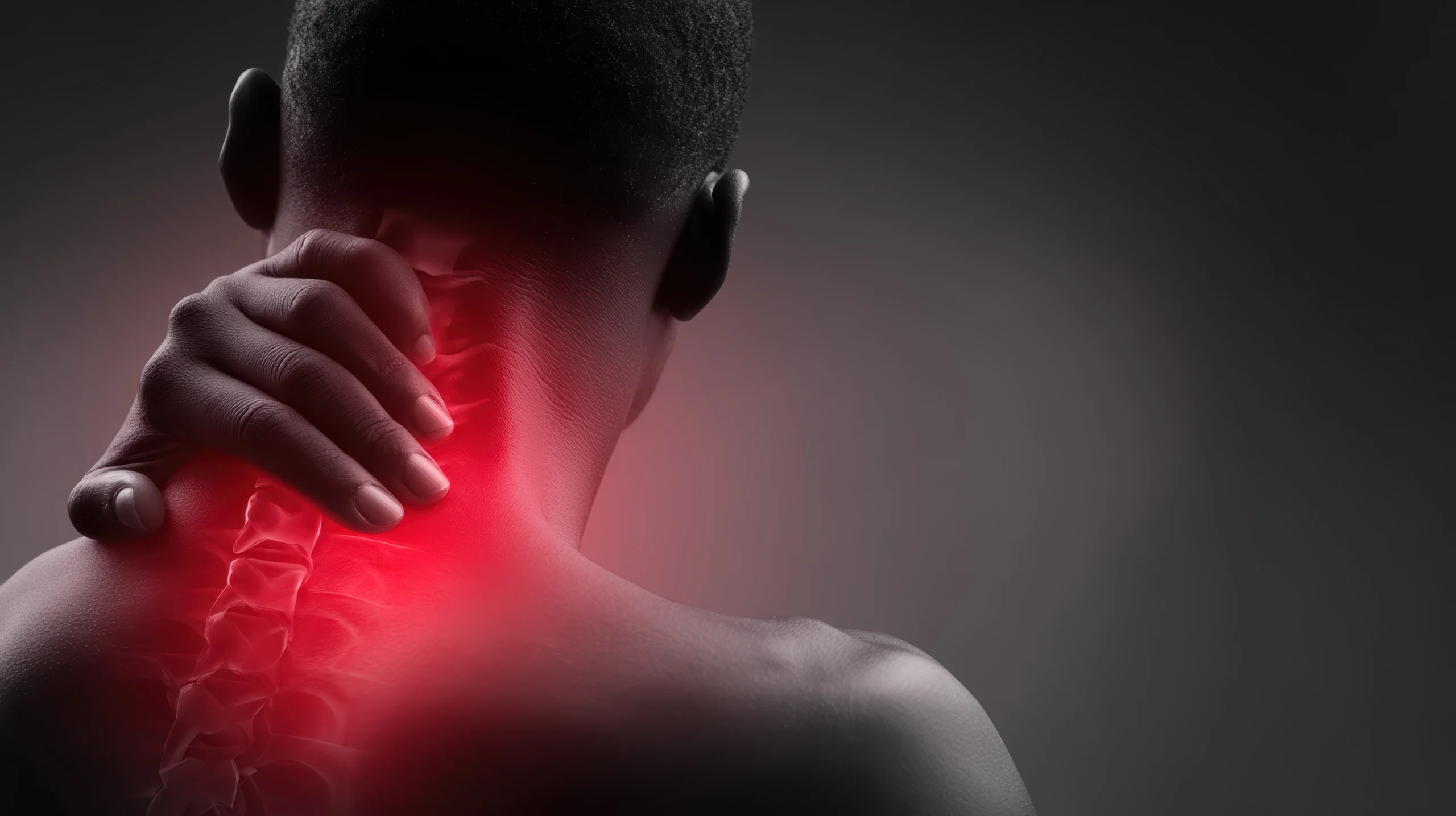
Many people experience neck pain after long hours of working on a computer, using smartphones, or sleeping in an uncomfortable position. While occasional discomfort often improves with rest, persistent or recurring neck pain should never be ignored. In many cases, it may indicate cervical spondylosis, a common age-related condition affecting the cervical spine.
The cervical spine supports the head and enables movement of the neck. Natural wear and tear may affect the vertebrae, intervertebral discs, joints and the ligaments may also lead to pain, stiffness and reduced mobility. If left unmanaged, cervical spondylosis may even compress the nearby nerves, causing symptoms that extend into the shoulders, arms, or hands.
Understanding the early warning signs can help you seek timely care and prevent the condition from progressing.
What is Cervical Spondylosis?
Cervical spondylosis is a degenerative condition of the neck in which the bones, discs, cartilage, and joints of the cervical spine gradually undergo age-related changes. It is one of the most common causes of chronic neck pain, especially among adults over the age of 40, although younger individuals can also develop it due to lifestyle-related factors.
As the spinal discs lose moisture and elasticity over time, they become thinner and less effective at cushioning the vertebrae. The body may respond by forming the small bony growths called the bone spurs (osteophytes), which can narrow the spaces through which the nerves will pass. This may result in nerve irritation or compression, leading to pain, tingling, numbness, or weakness in the upper limbs.
Aging is a natural contributor, that the modern habits such as the prolonged screen time, poor posture, lack of physical activity, and all repetitive neck movements made cervical spondylosis increasingly very common even among the working professionals.
Common Causes and Risk Factors
Many factors may increase the likelihood of developing the cervical spondylosis:
- Natural ageing and gradual spinal degeneration
- Long hours of desk-based work
- Repetitive neck movements
- Previous neck injuries or trauma
- The Sedentary lifestyle comes with a weak neck and the shoulder muscles
- Smoking, which may accelerate disc degeneration
- Genetic predisposition to spinal disorders
Maintaining proper posture, staying physically active, and taking regular breaks from prolonged sitting may help reduce strain on the cervical spine.
Early Signs and Symptoms You Should Not Ignore
The symptoms of cervical spondylosis can develop gradually and may initially appear mild. Recognizing them early allows timely intervention.
Common symptoms include:
- Persistent or recurring neck pain
- Neck stiffness, particularly after waking up or sitting for long periods
- Pain that spreads to the shoulders or upper back
- Headaches will originate from the back of their neck
- Difficulty turning or bending the neck
- Tingling or the numbness in the arms, hands, or the fingers
- Weakness in the upper limbs
- A grind or clicking the sensation during the neck movement
In advanced cases, spinal cord compression may also affect the balance, coordination or the walking ability. Such symptoms may also require immediate medical evaluation.
Who Is More Likely to Experience Cervical Spondylosis?
Although cervical spondylosis is commonly associated with ageing, several groups are at higher risk:
- Adults above 40 years of age
- Office professionals who spend extended hours at computers
- Individuals with poor sitting posture
- People who frequently use smartphones with the neck bent forward
- Drivers who remain seated for prolonged periods
- Individuals performing repetitive neck movements
- Those with previous neck injuries
- People with a family history of spinal degeneration
Early lifestyle modifications can significantly reduce stress on the cervical spine and improve long-term spinal health.
The Ayurvedic Perspective
In Ayurveda, cervical spondylosis is often understood as a condition involving the aggravation of Vata Dosha, particularly when dryness, degeneration, and reduced nourishment affect the bones (Asthi Dhatu), joints (Sandhi), and supporting tissues.
According to Ayurvedic principles, irregular routines, ageing, excessive physical strain, stress, improper posture, and poor dietary habits may contribute to Vata imbalance. This imbalance can manifest as pain, stiffness, restricted movement, and neurological discomfort.
Ayurveda focuses on identifying the individual’s body constitution (Prakriti) and underlying imbalances before planning care. Depending on the person’s condition, Ayurvedic management may include:
- Personalized dietary recommendations
- Lifestyle modifications to support spinal health
- Gentle therapeutic procedures aimed at improving mobility
- External therapies using medicated oils
- Stress management practices
- Physician-guided Panchakarma therapies where appropriate
The goal is not only to address symptoms but also to support joint nourishment, improve flexibility, and promote overall musculoskeletal well-being through a holistic approach.
If you are looking to learn more about Ayurvedic care for chronic neck pain and cervical spine disorders, explore Sreerudra Ayurveda’s Cervical Spondylosis Treatment page for detailed information on the condition and available treatment approaches.
When Should You Seek Professional Guidance?
Neck pain should never be dismissed if it:
- Persists for more than a few weeks
- Keeps returning despite rest
- Interferes with daily activities
- Causes numbness or tingling in the arms or hands
- Leads to muscle weakness
- Is associated with balance problems or difficulty walking
- Develops after an injury
Early diagnosis allows healthcare professionals to identify the underlying cause and recommend appropriate management before complications arise.
Conclusion
Neck pain is often considered a minor inconvenience, but persistent discomfort may be an early warning sign of cervical spondylosis. Recognizing symptoms early and addressing contributing lifestyle factors can help reduce discomfort and maintain long-term spinal health.
Along with maintaining proper posture, staying physically active, and following healthy daily habits, seeking timely professional guidance is essential if symptoms persist. Ayurveda offers a holistic perspective that focuses on supporting the body’s natural balance while promoting musculoskeletal wellness.
If you’re interested in understanding how posture affects spinal health, you may also find our blog on How Poor Posture Affects Spine Health and Causes Back Pain helpful, as it will be explore everyday habits that can contribute to neck and back discomforts.