

Ayurvedic Treatment for Ulcerative Colitis in Kerala
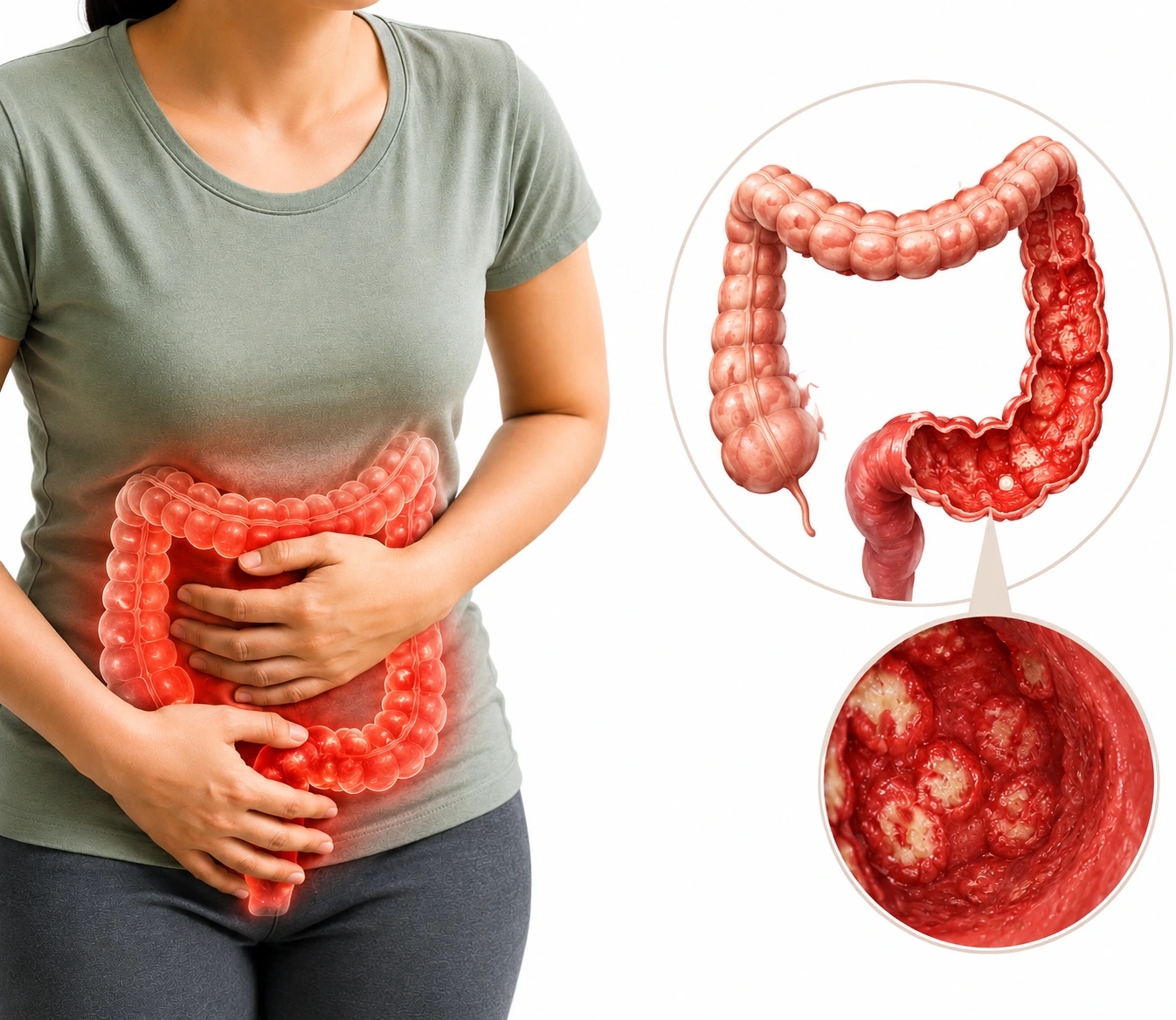
Ulcerative colitis is a chronic inflammatory bowel disease that affects the lining of the large intestine. It may cause frequent bowel movements, diarrhea, urgency, abdominal discomfort, blood or mucus in the stool, fatigue, reduced appetite, or weight loss. Symptoms and their intensity can change over time, making proper assessment and ongoing monitoring important.
At Sreerudra Ayurveda, ulcerative colitis care begins with a physician-led assessment rather than a standard treatment plan for every patient. The physician considers current symptoms, digestive health, medical history, existing medicines, lifestyle, physical condition, and available investigation reports before deciding whether an Ayurvedic approach may be appropriate. Depending on individual requirements, Ayurvedic medicines, selected therapies, Panchakarma, dietary guidance, and supportive care may be considered.
What Is Ulcerative Colitis?
Ulcerative colitis is a form of inflammatory bowel disease, commonly known as IBD. It causes inflammation in the inner lining of the colon and rectum. In some people, inflammation remains limited to the rectum or lower section of the colon, while in others it may involve a larger part of the large intestine.
The condition may go through periods when symptoms become more active and periods when they are better controlled. The extent of inflammation and disease activity can influence symptoms and treatment requirements.
Because abdominal discomfort, diarrhea, or changes in bowel habits can occur with several digestive conditions, symptoms alone should not be used to identify ulcerative colitis. An appropriate medical diagnosis is important before planning treatment.
Ulcerative Colitis Symptoms You Should Know
Ulcerative colitis symptoms vary according to the location and activity of inflammation. Common symptoms may include frequent bowel movements, diarrhea, urgency to pass stool, abdominal discomfort, rectal bleeding, or blood and mucus in the stool.
Some people may also experience fatigue, reduced appetite, or unintended weight loss. Persistent symptoms, increasing bleeding, or a noticeable decline in general wellbeing should be medically assessed.
Symptoms alone cannot confirm ulcerative colitis because other digestive conditions may cause similar complaints. An appropriate medical diagnosis and follow-up are important, particularly when symptoms persist or become worse.
What Causes Ulcerative Colitis?
The exact cause of ulcerative colitis is not completely understood. Several factors may contribute to its development, including immune-system activity, genetic susceptibility, environmental influences, and changes involving the intestinal microbiome.
It is usually not possible to identify one particular food, lifestyle habit, or event as the sole cause of the condition.
For this reason, treatment planning should focus on the person’s confirmed diagnosis, current symptoms, disease activity, physical condition, medical history, and overall health rather than assuming that one individual factor is responsible.
Types of Ulcerative Colitis
Ulcerative colitis can be classified according to the part of the large intestine affected by inflammation. Understanding the extent of the condition can help provide context for symptoms and treatment planning.
Ulcerative Proctitis
Ulcerative proctitis mainly affects the rectum, which is the lower end of the large intestine. Symptoms may include rectal bleeding, urgency, mucus in the stool, or discomfort during bowel movements.
Proctosigmoiditis
Proctosigmoiditis affects the rectum and sigmoid colon. People with this form may experience diarrhea, rectal bleeding, urgency, abdominal discomfort, or increased frequency of bowel movements.
Left-Sided Colitis
Left-sided colitis involves the rectum and extends through the left side of the colon. Symptoms may include diarrhea, abdominal discomfort, urgency, and rectal bleeding.
Pancolitis
Pancolitis, also known as extensive colitis, affects a larger portion of the colon. Depending on disease activity, symptoms may include frequent diarrhea, abdominal pain, bleeding, fatigue, reduced appetite, or weight loss.
The type of ulcerative colitis should be determined through appropriate medical evaluation rather than symptoms alone.
How Is Ulcerative Colitis Diagnosed and Monitored?
Diagnosis usually begins with reviewing symptoms, medical history, and previous health information. Appropriate clinical investigations may then be recommended to confirm the condition and understand the extent of inflammation.
Depending on individual circumstances, assessment may include blood tests, stool tests, colonoscopy, flexible sigmoidoscopy, or other investigations considered necessary by the treating medical team.
Ongoing monitoring may also be needed because disease activity can change over time.
When visiting Sreerudra Ayurveda, patients should bring relevant medical documents when available, including previous colonoscopy or sigmoidoscopy reports, laboratory reports, discharge summaries, and details of current medicines. This information can help the Ayurvedic physician understand the existing diagnosis and treatment history.
Ulcerative Colitis Treatment: Understanding Your Care Options
Ulcerative colitis treatment depends on factors such as disease activity, extent of inflammation, symptoms, previous treatment response, and the individual’s overall health.
Conventional medical management may involve medicines or other approaches selected by a gastroenterologist according to the person’s condition.
People already taking prescribed medicines should not stop, reduce, or change them without discussing the decision with the healthcare professional responsible for their treatment.
If an Ayurvedic approach is being considered alongside existing care, the Ayurvedic physician should also be informed about prescribed medicines, supplements, previous treatments, and current medical advice
Ayurvedic Treatment for Ulcerative Colitis: A Personalized Approach
Ayurvedic treatment for ulcerative colitis begins with understanding the individual’s current condition before deciding on medicines or therapies.
During assessment, the physician may consider bowel frequency, stool pattern, bleeding or mucus, abdominal symptoms, appetite, weight changes, digestive health, physical strength, sleep, daily routine, previous flare-ups, current medicines, and relevant medical reports.
Depending on the assessment, Ayurvedic medicines, selected therapies, Panchakarma procedures, dietary guidance, and lifestyle recommendations may be considered when appropriate.
Treatment requirements can differ between someone whose symptoms are relatively stable and someone experiencing active or worsening symptoms. For this reason, the treatment approach, intensity, and duration should be determined by a qualified physician rather than following a standard package.
Ayurvedic Medicines, Therapies and Panchakarma
Ayurvedic medicines may form part of an individualized treatment plan when considered suitable by the physician.
Medicine selection, dosage, duration, and follow-up should be determined after assessment rather than through self-medication.
Selected Ayurvedic therapies or Panchakarma may also be considered according to the patient’s condition, disease stage, physical strength, and therapeutic requirements. Panchakarma should not automatically be assumed to be suitable for every person with ulcerative colitis.
A physician should determine whether a particular procedure is appropriate and how it fits into the person’s wider treatment plan.
Diet and Lifestyle Support
Diet is an important concern for many people living with ulcerative colitis, but there is no single diet that will suit every patient.
Food tolerance may differ depending on symptoms, disease activity, appetite, nutritional condition, existing medical advice, and individual digestive responses.
Dietary and lifestyle guidance at Sreerudra Ayurveda may therefore be personalized according to the person’s condition. The objective is to provide appropriate support without imposing unnecessary restrictions or assuming that the same food plan will work for everyone.
How Is Ulcerative Colitis Treatment Planned at Sreerudra Ayurveda?
The treatment journey generally begins with a detailed physician consultation.
The physician may review the duration of the condition, current bowel frequency, bleeding or mucus, abdominal symptoms, appetite, weight changes, previous flare-ups, current medicines, previous treatments, lifestyle, and available medical reports.
This assessment helps provide a clearer understanding of the person’s current health and whether an Ayurvedic treatment approach may be suitable.
When appropriate, a personalized treatment plan may include Ayurvedic medicines, selected therapies, Panchakarma procedures, diet recommendations, and lifestyle guidance.
The plan can be reviewed during follow-up according to changes in symptoms and overall condition. If symptoms become severe or warning signs develop, appropriate medical evaluation should not be delayed.
Can Ayurveda Be Used Alongside Existing Ulcerative Colitis Treatment?
Ayurvedic care may be considered alongside existing medical treatment in selected individuals, but coordination between healthcare professionals is important.
Patients should inform the Ayurvedic physician about all prescribed medicines, supplements, and other treatments they currently use. They should also discuss complementary approaches with their gastroenterologist or treating medical team where appropriate.
Starting Ayurvedic treatment does not mean prescribed ulcerative colitis medicines should automatically be stopped.
Do not stop, reduce, or change prescribed treatment without guidance from the healthcare professional responsible for that treatment.
What to Expect During Your Treatment Journey
The first stage is consultation and assessment rather than immediately beginning the same treatment given to another patient.
After understanding the person’s condition, the physician can explain whether Ayurvedic care may be appropriate and what medicines, therapies, dietary recommendations, or supportive measures may be considered.
Treatment duration varies from person to person. It may depend on disease activity, extent of inflammation, duration of the condition, existing treatment, physical strength, nutritional status, previous flare-ups, and individual response.
Regular follow-up allows the physician to review progress and modify the Ayurvedic plan when necessary. Medical monitoring recommended by the patient’s gastroenterologist or other treating healthcare professional should continue as advised.
Why Choose Sreerudra Ayurveda for Ulcerative Colitis Treatment in Kerala?
Sreerudra Ayurveda follows a physician-guided approach in which treatment decisions are made after understanding the individual’s health condition and therapeutic requirements.
For someone with ulcerative colitis, this means considering the existing diagnosis, current symptoms, digestive health, medical reports, medications, lifestyle, physical condition, and previous treatment before recommending an Ayurvedic plan.
Depending on physician assessment, treatment may include Ayurvedic medicines, selected therapies, Panchakarma, dietary guidance, and lifestyle support.
The emphasis is on individual assessment, personalized planning, appropriate follow-up, and responsible consideration of existing medical care rather than applying the same treatment to every person diagnosed with ulcerative colitis.
Consult an Ayurvedic Physician for Ulcerative Colitis
If you are looking for Ayurvedic treatment for ulcerative colitis in Kerala, a physician consultation can help assess your current symptoms, medical history, existing treatment, digestive health, and overall condition.
At Sreerudra Ayurveda, the treatment plan is developed after individual assessment and may be adapted according to the patient’s needs, treatment requirements, and response to care
Frequently Asked Questions
What Is Ayurvedic Treatment for Ulcerative Colitis?
Ayurvedic treatment is planned according to the individual’s condition, symptoms, digestive health, physical strength, existing medicines, and therapeutic requirements. Selected Ayurvedic medicines, therapies, Panchakarma, diet guidance, or lifestyle support may be considered following physician assessment.
What Are the Common Symptoms of Ulcerative Colitis?
Common symptoms may include frequent bowel movements, diarrhea, urgency, abdominal discomfort, rectal bleeding, blood or mucus in the stool, fatigue, reduced appetite, and weight loss. Symptoms vary depending on disease activity and the area of the colon affected.
What Causes Ulcerative Colitis?
The exact cause is not completely understood. Immune-system activity, genetic susceptibility, environmental influences, and changes involving the intestinal microbiome may contribute to the condition.
Is Ulcerative Colitis the Same as IBS?
No. Ulcerative colitis is an inflammatory bowel disease involving inflammation of the large intestine. Irritable bowel syndrome, or IBS, is a different digestive condition. Proper diagnosis is important because the conditions require different approaches to management.
Can Ayurveda Replace Prescribed Ulcerative Colitis Medicines?
Patients should not stop or change prescribed ulcerative colitis medicines without discussing the decision with their treating healthcare professional. Ayurvedic care, when considered, should be planned with awareness of the person’s existing medical treatment.
What Should I Bring to an Ayurvedic Consultation?
Bring relevant medical documents when available, such as colonoscopy or sigmoidoscopy reports, blood and stool test results, previous treatment records, discharge summaries, and a list of current medicines. These can help the physician understand your diagnosis and treatment history.