

Leucorrhoea Treatment in Ayurveda in Kerala
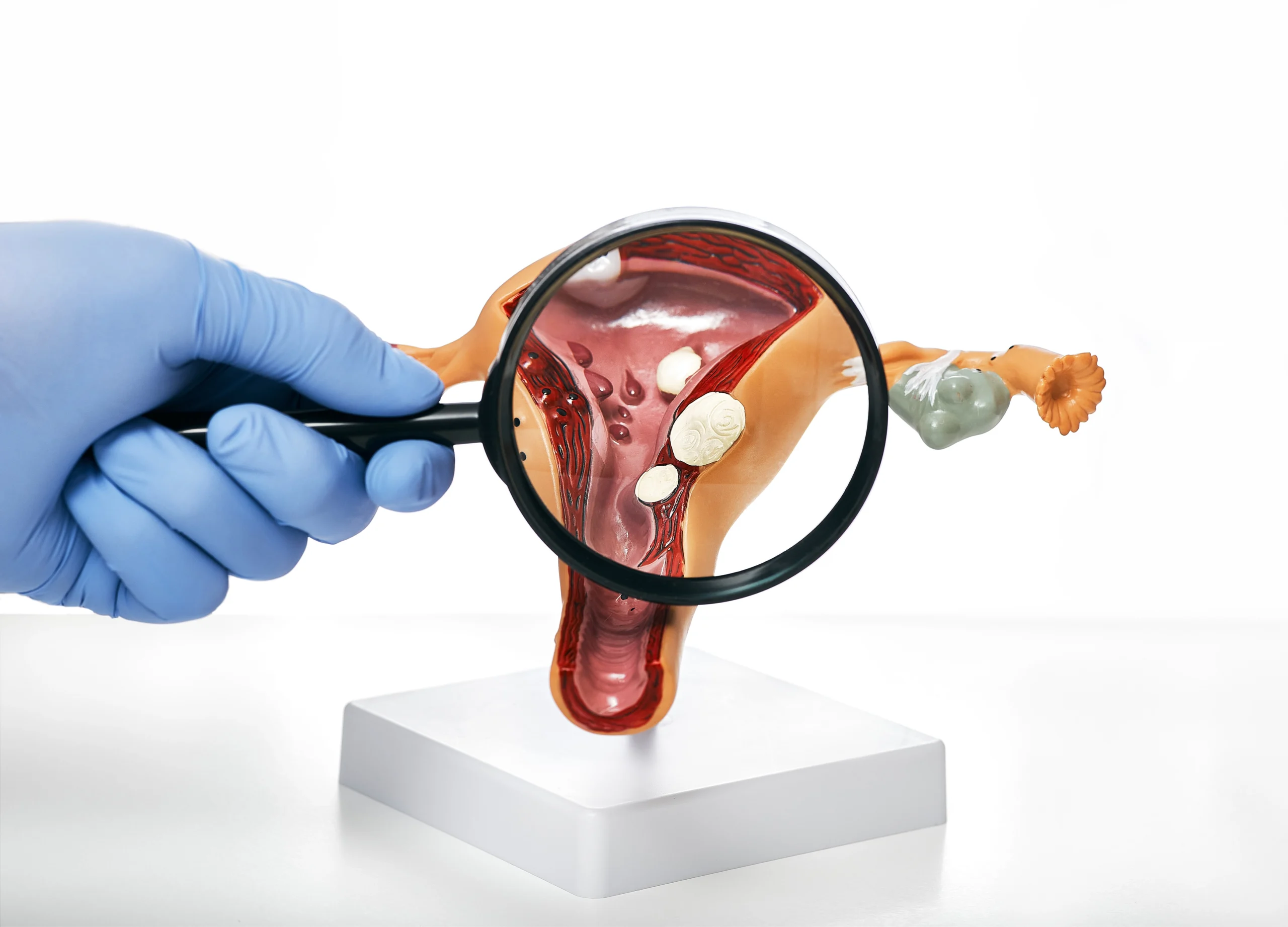
Leucorrhoea refers to excessive or unusual vaginal discharge that may appear white, yellowish, clear, thick, or watery. Although normal vaginal discharge promotes vaginal health, persistent discharge accompanied by itching, irritation, foul odor, burning, pelvic discomfort, or pain may necessitate a medical examination.
At Sreerudra Ayurveda Multispecialty Hospital and Research Centre, we provide Leucorrhoea Treatment in Ayurveda in Kerala through individualized care. Our physicians assess the patient’s symptoms, menstrual and medical history, body constitution , digestive health, lifestyle, and possible underlying causes. Depending on the diagnosis, the treatment plan may include Ayurvedic medicines, selected therapies, dietary guidance, hygiene recommendations, and lifestyle modifications. Patients with signs of infection or another gynecological disorder may also be advised to undergo appropriate clinical investigations.
What is Leucorrhoea?
Leucorrhoea is a term used for vaginal discharge that may be white, yellowish, clear, thick, or watery. A small amount of clear or white discharge can be normal, particularly during ovulation, pregnancy, or hormonal changes. It helps keep vaginal tissues clean and lubricated.
However, discharge that becomes excessive, persistent, foul-smelling, blood-stained, or associated with itching, pain, irritation, or burning may indicate an infection or another gynecological condition. Leucorrhoea Treatment in Ayurveda begins with identifying whether the discharge is physiological or linked to an underlying health concern. Treatment is then planned according to the cause, symptoms, body constitution, reproductive health, and overall condition of the patient.
Symptoms of Leucorrhoea
The symptoms of leucorrhoea can vary according to its underlying cause and severity. Common white discharge symptoms may include excessive or persistent vaginal discharge, itching, irritation, burning sensation, unpleasant odour, pelvic discomfort, pain during urination, or discomfort during intercourse.
Some women may also experience lower abdominal discomfort, lower back pain, fatigue, or recurrent symptoms. The colour, consistency, quantity, and smell of the discharge may also change. Green, grey, blood-stained, or strongly foul-smelling discharge requires prompt medical evaluation. Since the symptoms of white discharge in females may resemble those of bacterial, fungal, or sexually transmitted infections, an accurate diagnosis is necessary before beginning treatment.
Causes of Leucorrhoea
There are a few typical reasons for vaginal discharge. Normal hormonal changes during ovulation, pregnancy, or the menstrual cycle may increase discharge without indicating disease. Abnormal discharge may occur due to bacterial or fungal infections, sexually transmitted infections, cervical irritation, uncontrolled diabetes, or certain gynecological conditions.
Vaginal white discharge causes may also be influenced by prolonged antibiotic use, weakened immunity, nutritional deficiencies, stress, or the use of irritating intimate products. Poor hygiene should not automatically be considered the cause, as excessive washing and scented products can also disturb the natural vaginal environment. Before beginning Leucorrhoea Treatment in Ayurveda, the physician evaluates the type of discharge, accompanying symptoms, medical history, and possible underlying condition.
Risk Factors for Leucorrhoea
Certain factors may increase the likelihood of persistent or abnormal vaginal discharge. These include hormonal fluctuations, pregnancy, uncontrolled diabetes, weakened immunity, recurrent vaginal infections, prolonged antibiotic use, nutritional deficiencies, and some gynecological disorders.
Wearing damp or non-breathable clothing, using strongly scented intimate products, frequent vaginal douching, or following unsuitable hygiene practices may also disturb the natural vaginal environment. Stress, poor sleep, and irregular dietary habits can affect general health but should not be treated as the sole cause of leucorrhoea. Identifying relevant risk factors helps the physician determine whether the discharge is normal, infection-related, or associated with another medical condition. This supports safer and more individualized treatment planning.
Diagnosis of Leucorrhoea
Diagnosis begins with a detailed assessment of the patient’s symptoms, menstrual cycle, reproductive history, medical history, medication use, hygiene practices, and overall health. The physician may ask about the colour, consistency, smell, duration, and frequency of the discharge, along with symptoms such as itching, pain, fever, or bleeding.
Depending on the clinical findings, a physical or gynecological examination may be recommended. Laboratory tests, vaginal swabs, urine tests, blood sugar testing, or other investigations may be required to identify infection or an underlying gynecological condition. Accurate diagnosis is essential before starting Leucorrhoea Treatment in Ayurveda, as normal physiological discharge should not be treated as a disease and infections may require appropriate medical care.
Ayurvedic Perspective of Leucorrhoea
In Ayurveda, abnormal vaginal discharge is commonly discussed in relation to Shweta Pradara. It may be assessed according to the individual’s Dosha imbalance, with Kapha often associated with excessive, thick, or pale discharge. Vata and Pitta involvement may also be considered when symptoms such as pain, dryness, burning, irritation, or discolouration are present.
Ayurvedic assessment also considers Prakriti, digestive function (Agni), menstrual health, diet, sleep, stress, and daily habits. Concepts such as Ama are used within the traditional Ayurvedic framework and should not be confused with a modern medical diagnosis. Leucorrhoea Treatment in Ayurveda is therefore individualized rather than based only on the appearance of the discharge.
Ayurvedic Treatment Approach for Leucorrhoea
At Sreerudra Ayurveda, Leucorrhoea Treatment in Ayurveda begins with a detailed consultation to identify the possible cause and understand the patient’s overall health. The physician evaluates symptoms, body constitution (Prakriti), menstrual history, digestive health, lifestyle, and any existing medical or gynecological conditions.
Internal Ayurvedic medicines, certain external or Panchakarma therapies, dietary recommendations, cleanliness assistance, and lifestyle changes may all be part of the treatment strategy. Panchakarma is not automatically recommended for every patient. Treatment selection depends on the diagnosis, severity, age, reproductive health, and suitability of the individual. When infection or another medical condition is suspected, appropriate clinical testing or referral may be advised.
Herbal Support
Depending on the patient’s diagnosis and overall health, the physician may prescribe selected Ayurvedic formulations to support reproductive health, digestion, tissue nourishment, and symptom management. Herbal medicines should be taken only under qualified medical supervision, particularly during pregnancy, breastfeeding, or while using other medications.
Diet Recommendations
Dietary recommendations may emphasize regular, balanced meals that aid digestion, hydration, and enough nourishment. Recommendations are personalized according to the patient’s constitution, symptoms, digestive capacity, and medical needs. Excessively restrictive diets and unverified home remedies should be avoided.
Lifestyle Recommendations
Patients may be advised to maintain gentle intimate hygiene, wear breathable clothing, avoid vaginal douching and scented products, manage stress, sleep adequately, and follow regular physical activity where appropriate. Lifestyle guidance complements treatment but does not replace medical evaluation when infection or another gynecological disorder is suspected.
Benefits of Leucorrhoea Treatment in Ayurveda
Leucorrhoea Treatment in Ayurveda offers an individualized approach that considers the patient’s symptoms, reproductive health, digestion, body constitution, lifestyle, and possible underlying cause. Rather than using the same protocol for every patient, the physician selects medicines, therapies, dietary advice, and lifestyle recommendations according to individual needs.
Depending on the diagnosis and response to care, treatment may help support vaginal comfort, digestive health, menstrual well-being, immunity, and overall quality of life. Outcomes vary according to the underlying condition, severity, treatment adherence, and general health. Regular follow-up allows the physician to review progress, modify the treatment plan, and recommend further medical evaluation when necessary.
Why Choose Sreerudra Ayurveda?
At Sreerudra Ayurveda Multispecialty Hospital and Research Centre, treatment is planned only after evaluating the patient’s symptoms, medical history, menstrual and reproductive health, body constitution, digestive health, and lifestyle. This helps to avoid treating all forms of vaginal discharge as the same problem.
Our approach may include physician-prescribed Ayurvedic medicines, appropriate Kerala Ayurveda therapies, dietary guidance, hygiene advice, and lifestyle recommendations. Patients are monitored through follow-up consultations, and treatment plans may be modified according to their progress. When symptoms suggest infection or another gynecological disorder, our physicians may recommend appropriate investigations or specialist evaluation. The focus remains on ethical, individualized, and patient-centred Ayurvedic care.
Book Your Consultation
If you are experiencing persistent or recurrent white vaginal discharge, unpleasant odor, itching, or other symptoms affecting your daily life, an early consultation can help identify the underlying cause and guide appropriate Leucorrhoea Treatment in Ayurveda. At Sreerudra Ayurveda Multispecialty Hospital and Research Centre, our skilled Ayurvedic physicians conduct personalized evaluations and treatment regimens based on your reproductive health, body constitution (Prakriti), and overall well-being. Book your consultation today at our centres and receive compassionate Ayurvedic care tailored to your health needs.
Frequently Asked Question
Can Ayurveda help manage leucorrhoea?
Ayurveda may support the management of leucorrhoea after the underlying cause has been identified. Treatment is personalized according to the patient’s symptoms, Prakriti, reproductive health, digestion, lifestyle, and medical history. It may include prescribed Ayurvedic medicines, selected therapies, dietary advice, and lifestyle recommendations.
What are the common symptoms of leucorrhoea?
Excessive or chronic vaginal discharge, itching, irritation, burning, bad odor, pelvic discomfort, urine pain, or intercourse discomfort are all common signs of white discharge. Green, grey, blood-stained, or foul-smelling discharge should be medically evaluated without delay.
What causes white vaginal discharge?
White vaginal discharge can occur spontaneously during ovulation, pregnancy, or hormonal changes. Abnormal discharge may be associated with fungal or bacterial infections, sexually transmitted infections, diabetes, cervical irritation, medication use, or certain gynecological conditions. Evaluation is required to determine the specific cause.
Is Ayurvedic treatment suitable for chronic leucorrhoea?
Chronic leucorrhoea treatment in Ayurveda may be considered after a detailed medical and Ayurvedic evaluation. Persistent discharge should not be treated solely with home remedies, as recurring symptoms may indicate infection, diabetes, cervical difficulties, or another illness that necessitates study.
Does every patient require Panchakarma therapy?
No. Panchakarma isn’t necessary for every patient. Selected therapies may be recommended only when the physician considers them appropriate based on the patient’s diagnosis, age, body constitution, general health, and treatment goals.
How long does Leucorrhoea Treatment in Ayurveda take?
Treatment duration varies according to the cause, severity, duration of symptoms, associated health conditions, and individual response. After consultation and diagnosis, the physician can explain the proposed treatment plan, follow-up schedule, and expected duration more accurately.