
Introduction
Parkinson’s disease is a progressive neurological condition that primarily affects all the movement, balance and coordination. While the symptoms often develop gradually, recognizing the early signs can help individuals seek timely medical evaluation and appropriate care.
From an Ayurvedic perspective, maintaining neurological health involves supporting the body’s natural balance through individualized lifestyle practices and holistic wellness. Understanding the early symptoms of Parkinson’s disease can encourage early intervention and improve overall quality of life.
What Is Parkinson's Disease?
Parkinson’s disease is a neurological disorder that affects the brain’s ability to control movement. The condition develops gradually, and its symptoms may become more noticeable over time.
Although Parkinson’s disease is more common in older adults, early symptoms can appear subtly and are often mistaken for normal signs of aging.
Early Signs and Symptoms of Parkinson's Disease
Recognizing the early warning signs is important, as symptoms vary from person to person.
Tremors
A slight shaking or tremor in the hands, fingers, chin, or legs is one of the most recognized early symptoms of Parkinson’s disease. These tremors often occur while the body is at rest.
Slowed Movement
daily activities such as walking, getting up from a chair, or performing routine tasks that may become very slower than usual. This gradual reduction in movement is known as bradykinesia.
Muscle Stiffness
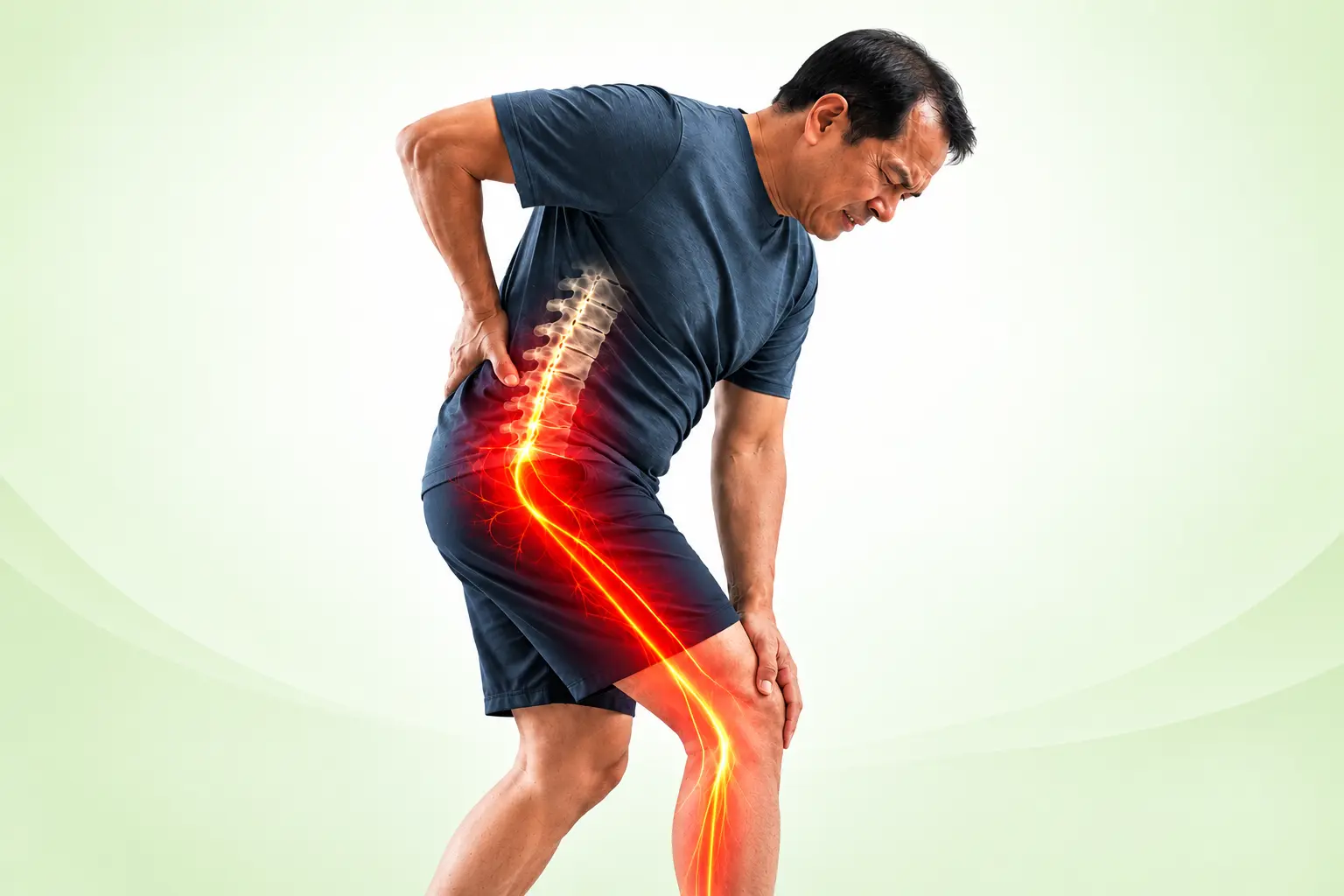
Persistent stiffness in the arms, legs, neck, or shoulders may reduce flexibility and make movement uncomfortable.
Changes in Balance and Posture
People with Parkinson’s disease may experience difficulty maintaining balance or notice changes in posture, increasing the risk of falls.
Changes in Handwriting
Writing may become noticeably smaller or more cramped than before, a symptom commonly referred to as micrographia.
Reduced Facial Expressions
Some individuals may develop reduced facial expressions, often described as a “masked face,” making emotions less visible during conversations.
The Ayurvedic Perspective
According to Ayurveda, neurological health depends on maintaining the body’s natural balance and supporting healthy nervous system function. Lifestyle habits, nutrition, and personalized Ayurvedic care play an important role in promoting overall well-being.
Ayurveda emphasizes a holistic approach that focuses on improving quality of life through individualized care, lifestyle modifications, and supportive wellness practices.
Supporting Neurological Health Naturally
The following healthy habits may contribute to overall neurological wellness:
- Eat a balanced and nutritious diet.
- Engaging regular physical activity as advised by the healthcare professional.
- Practice gentle exercises and balance training.
- Prioritize quality sleep and adequate rest.
- Manage stress through relaxation techniques and mindfulness.
- Attend regular health check-ups if neurological symptoms develop.
When to Seek Professional Guidance
If you or a loved one experiences persistent tremors, slowed movement, muscle stiffness, or changes in balance, it is important to seek professional evaluation. Early diagnosis can help identify the underlying cause and support timely management.
Individuals interested in a holistic approach to neurological wellness can learn more about Parkinson’s Disease Treatment in Ayurveda and explore personalized Ayurvedic care that supports long-term well-being.
Conclusion
Parkinson’s disease often develops gradually, making it important to recognize its early signs and symptoms. Paying attention to changes in movement, balance, posture, or coordination can encourage timely medical guidance and appropriate care.
A proactive approach that combines healthy lifestyle habits with professional support can contribute to better neurological health and improved quality of life.