

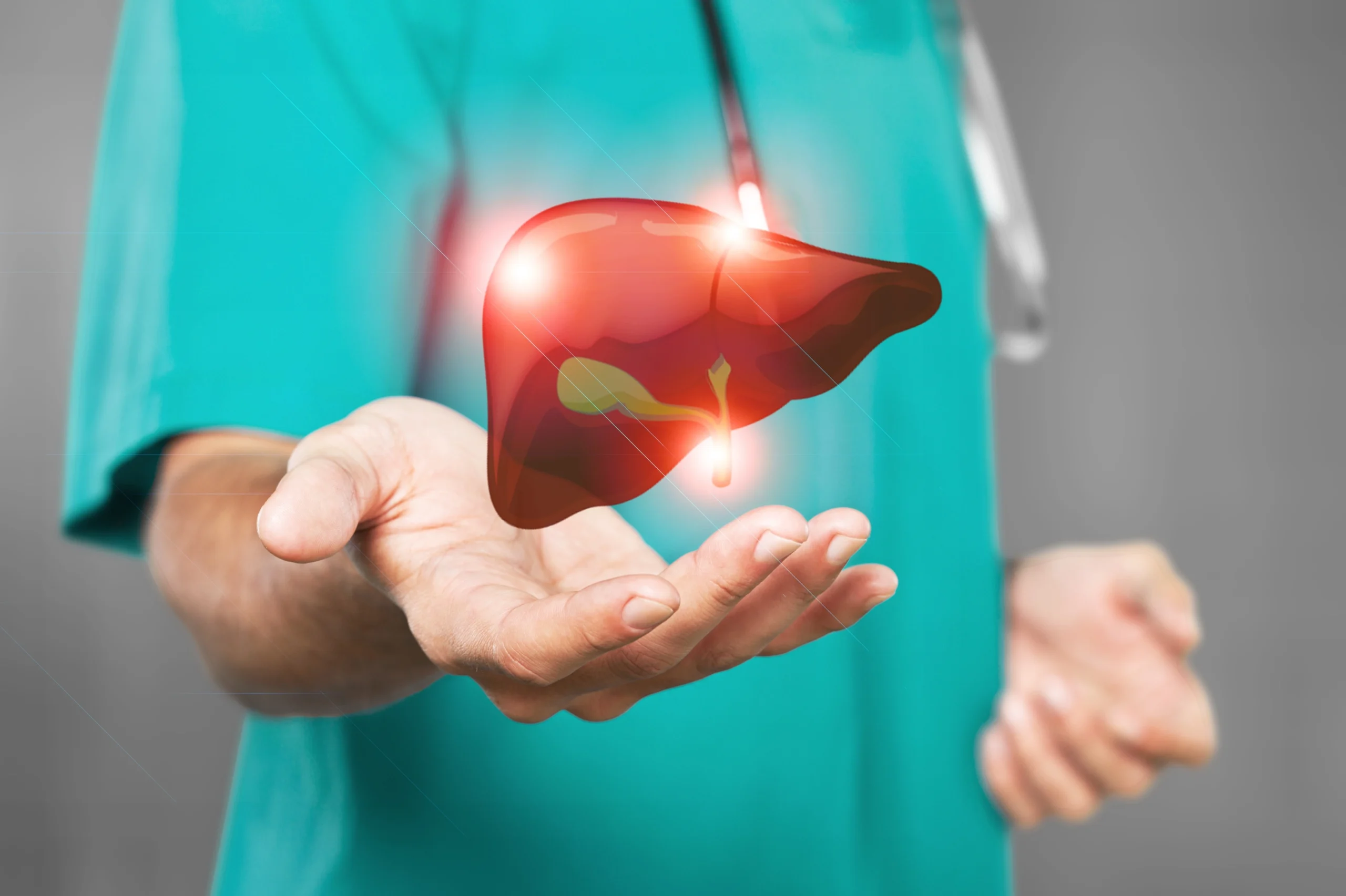
Liver Health and Metabolic Balance: An Ayurvedic Understanding of Liver Disorders
The liver is one of the most important organs in the body, responsible for
regulating metabolism, supporting digestion, and processing nutrients. It plays a
vital role in filtering toxins from the blood, producing bile for digestion, and
maintaining the body’s internal balance. When liver function becomes disturbed,
it can influence multiple systems, including digestion, energy levels, and
metabolic stability.
Liver disorders often develop gradually and may remain unnoticed in the early
stages. Modern lifestyle habits, dietary patterns, and metabolic disturbances can
place additional strain on the liver over time. Understanding how these factors
affect liver health is essential for maintaining long-term wellbeing.
Ayurveda approaches liver health by examining how digestion, metabolism, and internal balance influence organ function, especially in the context of severe diseases and complex health conditions
The Role of the Liver in Metabolic Health
The liver is central to the body’s metabolic processes. It helps convert nutrients
from food into energy, stores vitamins and minerals, and regulates the balance of
fats, proteins, and carbohydrates in the body. It also helps remove harmful
substances and metabolic waste from the bloodstream.
When liver function becomes compromised, the body’s metabolic processes may
slow down or become irregular. This can influence digestion, appetite, and overall
energy levels. Because of its wide range of responsibilities, maintaining liver
health is important for sustaining metabolic balance throughout the body.
Factors That Influence Liver Disorders
Several factors can contribute to the development of liver disorders. Irregular
eating habits, highly processed foods, excessive stress, and sedentary routines
can disturb the body’s metabolic processes. Over time, these patterns may affect
how the liver processes nutrients and eliminates toxins.
Long-term metabolic imbalance can gradually influence liver function and
contribute to conditions such as fatty liver or digestive disturbances, often seen in broader
complex health conditions in Ayurveda. Recognising
these contributing factors helps individuals understand the importance of
maintaining balanced lifestyle habits.
Ayurvedic Understanding of Liver Health
In Ayurveda, liver health is closely associated with digestion and metabolic
regulation within the body. Balanced digestion allows nutrients to be processed
efficiently while preventing the accumulation of metabolic waste.
Disturbances in digestion and metabolism may lead to internal imbalance that
affects the body’s ability to process nutrients and eliminate toxins effectively.
Maintaining stable metabolic activity and balanced daily routines is therefore
considered important for supporting liver function.
Ayurveda emphasises addressing underlying metabolic disturbances rather than
focusing only on symptoms.
Lifestyle and Dietary Awareness for Liver Wellbeing
Daily habits play an important role in maintaining liver health. Balanced meals,
proper hydration, and consistent eating patterns help support digestive efficiency
and metabolic stability.
Managing stress, maintaining physical activity, and ensuring adequate rest also
contribute to maintaining the body’s internal balance. These practices help reduce
unnecessary strain on metabolic processes and support long-term organ health.
Ayurveda encourages individuals to remain attentive to their lifestyle patterns, as
these habits significantly influence overall metabolic wellbeing.
Supporting Long-Term Liver Health
The health of the liver is closely connected with the body’s metabolic balance.
When digestion, nutrition, and daily routines remain stable, the liver is better able
to perform its essential functions.For a broader understanding of how Ayurveda supports complex conditions, explore our detailed guide on Ayurvedic approach to severe diseases. By maintaining healthy routines and
paying attention to the body’s signals, individuals can work toward preserving
liver function and sustaining long-term wellbeing.